
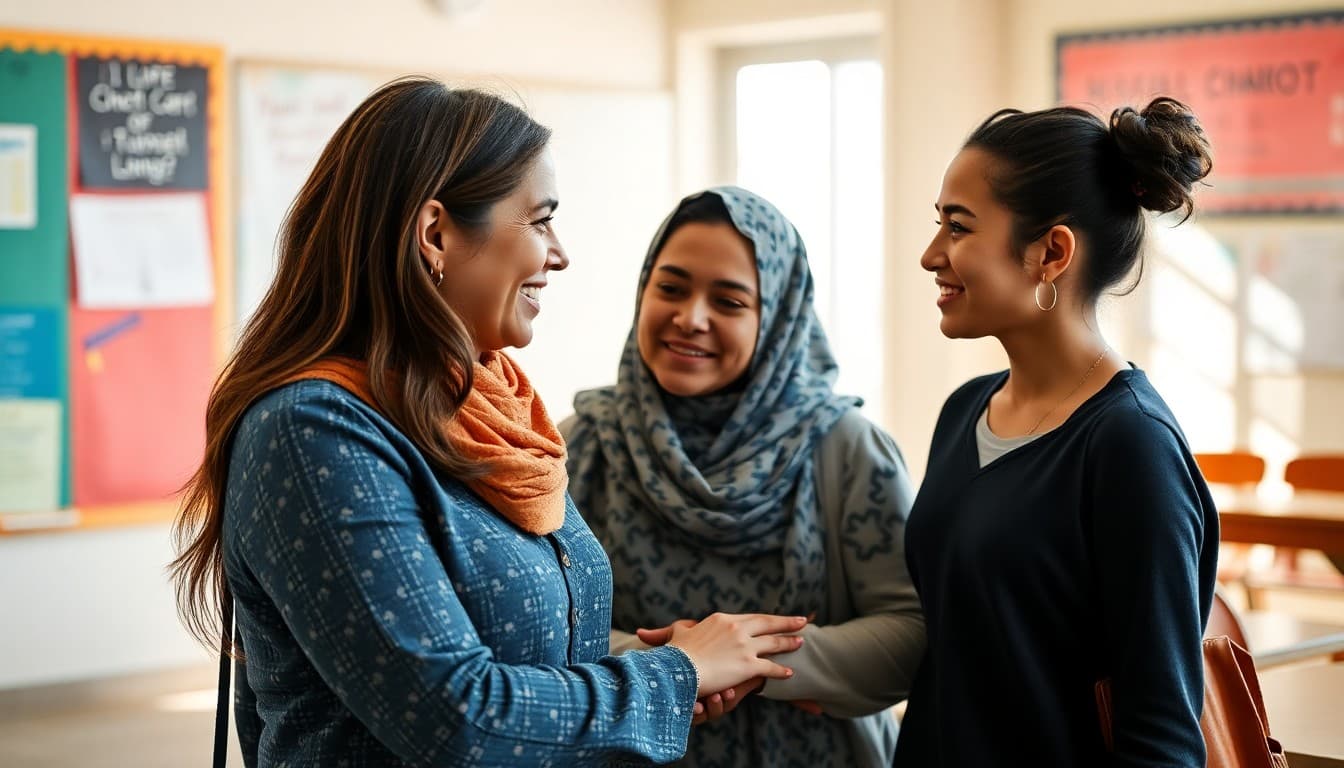
Refugee Student Welcome Newsletter: Building a Welcoming School
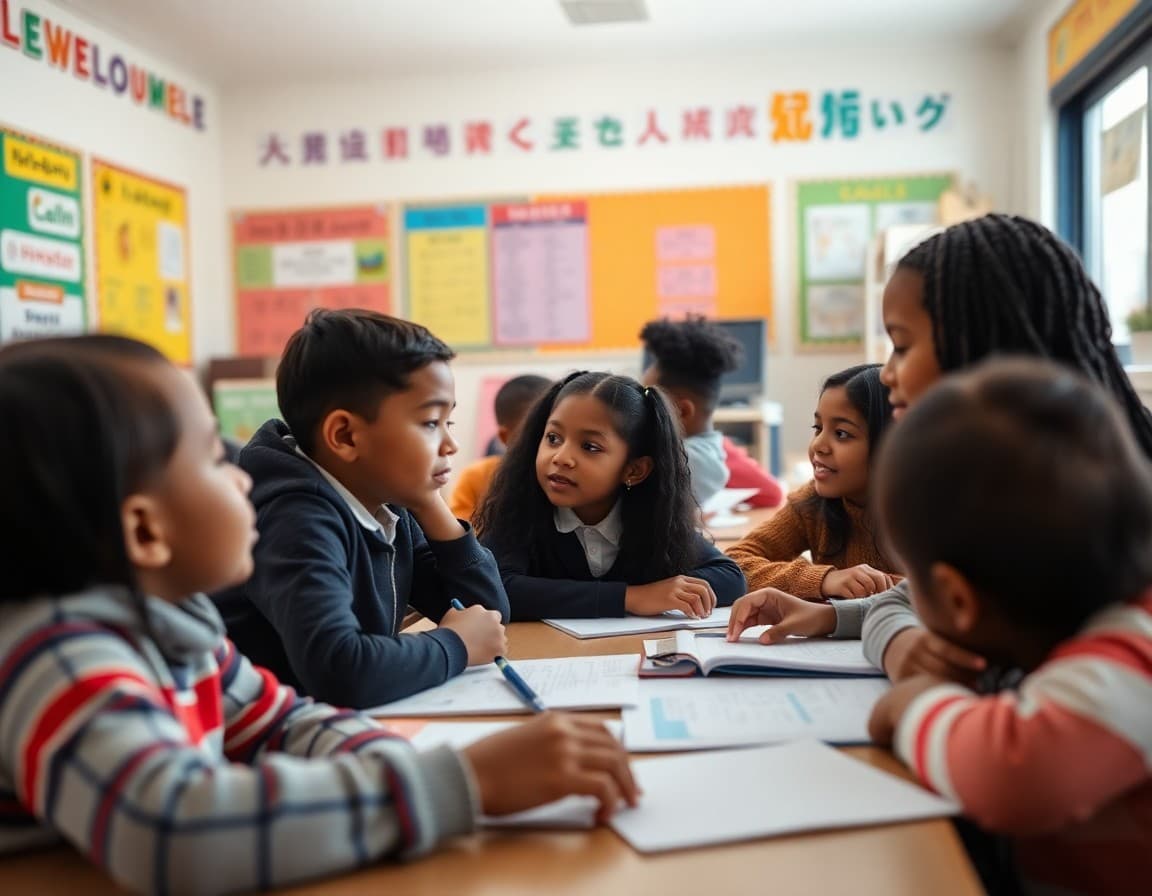
When a newly arrived refugee student enrolls in your school, you have two communication tasks running in parallel. The first is helping the family understand what your school offers and what to expect. The second is preparing your current school community to be genuinely welcoming, not just polite. A newsletter that addresses both tasks directly can make the difference between a student who integrates successfully and one who spends months feeling invisible.
Communicate With the Family First
Before you send any community-wide newsletter about welcoming new students, make sure the family has been contacted in their home language. A welcome letter that explains your school's structure, daily schedule, transportation, and key contacts is essential. If your district has a community liaison or an ELL specialist, that person should be the family's first point of contact. The newsletter to the broader community is a supplement to direct family communication, not a replacement.
What to Tell the School Community
A newsletter to current families and staff about welcoming refugee students should lead with the school's commitment and follow with concrete guidance. "We are welcoming students who are joining us from other countries. Our school has supports in place to help students in transition, including our ELL program, school counseling services, and community liaisons. Here is how every member of our community can help."
Do not share identifying information about incoming students without family consent. You can describe the school's preparation without naming or describing specific students. "We are preparing to welcome several students who are new to the United States" is appropriate. "We are welcoming a family from [country] who experienced [circumstances]" is not, unless the family has specifically chosen to share their story.
Concrete Guidance for Students
Vague appeals to be kind are less effective than specific behavioral guidance. Your newsletter can include a section addressed to students or to their parents that describes specific welcoming behaviors: learn and use the new student's name correctly, invite them to participate in activities at lunch or recess, show them where things are (the bathroom, the cafeteria, the library) without making it feel like a tour, and report to a trusted adult if you see the new student being excluded or treated unkindly.
Staff Protocols Worth Naming
A newsletter that mentions specific staff protocols communicates seriousness to both families and staff. "Our ELL coordinator will meet with newly enrolled students within the first three days to assess language support needs. Our school counselor is available for students who need additional support during the transition period. Teachers have received guidance on trauma-informed classroom practices." That specificity reassures families and holds staff accountable.
What Refugee Students Bring
The most effective welcome newsletters describe what refugee students contribute, not only what they need. Students who have navigated enormous change often have exceptional resilience, multilingual skills, and cross-cultural knowledge that enriches a school community. "Students joining us from other countries bring perspectives, languages, and experiences that make our school more interesting and more prepared for a global world." That framing treats newcomers as assets, not burdens.
Community Resources for Families
If your school works with local resettlement organizations, legal aid services, or community support networks, name them in the newsletter. Families who know what resources exist outside the school can navigate their new community more effectively. A list of three to five community organizations with brief descriptions and contact information is one of the most practically useful things you can include.
Ongoing Communication
A one-time welcome newsletter is not enough. Follow up in your regular newsletters throughout the year with updates on how your school's newcomer support programs are functioning, any new resources that have become available, and celebrations of the cultural contributions new students are making. Families who see sustained attention to inclusion trust your school's commitment more than families who see a single welcome message followed by silence.
Get one newsletter idea every week.
Free. For teachers. No spam.
Frequently asked questions
What should a refugee student welcome newsletter communicate to the school community?
The newsletter should cover three audiences: the incoming family (what to expect from the school and what supports are available), the current school community (how to be a welcoming presence without being intrusive), and staff (specific protocols for supporting students in transition). You may send different versions to different audiences, or one newsletter that addresses all three in clearly labeled sections.
How do I write about refugee students without violating their privacy or dignity?
Do not share details about a student's country of origin, family situation, or reason for displacement without explicit family consent. Do not describe refugee students as victims or define them by their traumatic experiences. Focus on what the school is doing to welcome students in transition, not on the circumstances that caused the transition. A newsletter that talks about your school's ELL program, translation resources, and buddy system is appropriate. A newsletter that describes a specific family's story without their permission is not.
How do I prepare current students to welcome a new refugee student?
A classroom lesson on what it means to start a new school in a new country, paired with concrete guidance on how to be welcoming, is more effective than a general appeal to kindness. Teach students specific behaviors: greet the new student by name, invite them to sit with you at lunch, show them where things are without making them feel embarrassed about not knowing. A newsletter that describes this preparation reassures families that their children are being given tools, not just instructions.
What school supports should I mention in a welcome newsletter for refugee students?
Name specific available supports: the ELL program and what it looks like, any available interpreters or community liaisons, the school counselor's role and availability, and any community partnerships with resettlement organizations. Families who know what is available can advocate for their children more effectively. Staff who see these resources named publicly are more accountable for providing them.
What tool is best for sending this type of newsletter?
Daystage is a strong choice because it supports multiple language versions of the same newsletter. A welcome communication that goes to the incoming refugee family in their home language, while a community-preparation version goes to current families, is a straightforward way to address multiple audiences at once.

Adi Ackerman
Author
Adi Ackerman is a former classroom teacher and curriculum writer with 8 years in K-8 schools. She writes about school communication, parent engagement, and what actually works in real classrooms.
More for Diversity & Equity
ELL Parent Outreach Newsletter: Reaching Multilingual Families
Diversity & Equity · 7 min read
Multilingual Learner Equity Newsletter: Communicating Language Support and Inclusion to Families
Diversity & Equity · 6 min read
DEI Coordinator Newsletter Guide: Communicating Equity Goals and Progress to the School Community
Diversity & Equity · 7 min read
Ready to send your first newsletter?
3 newsletters free. No credit card. First one ready in under 5 minutes.
Get started free