
Disability Inclusion Newsletter: Communicating Accessible Learning Environments and Support Services to Families
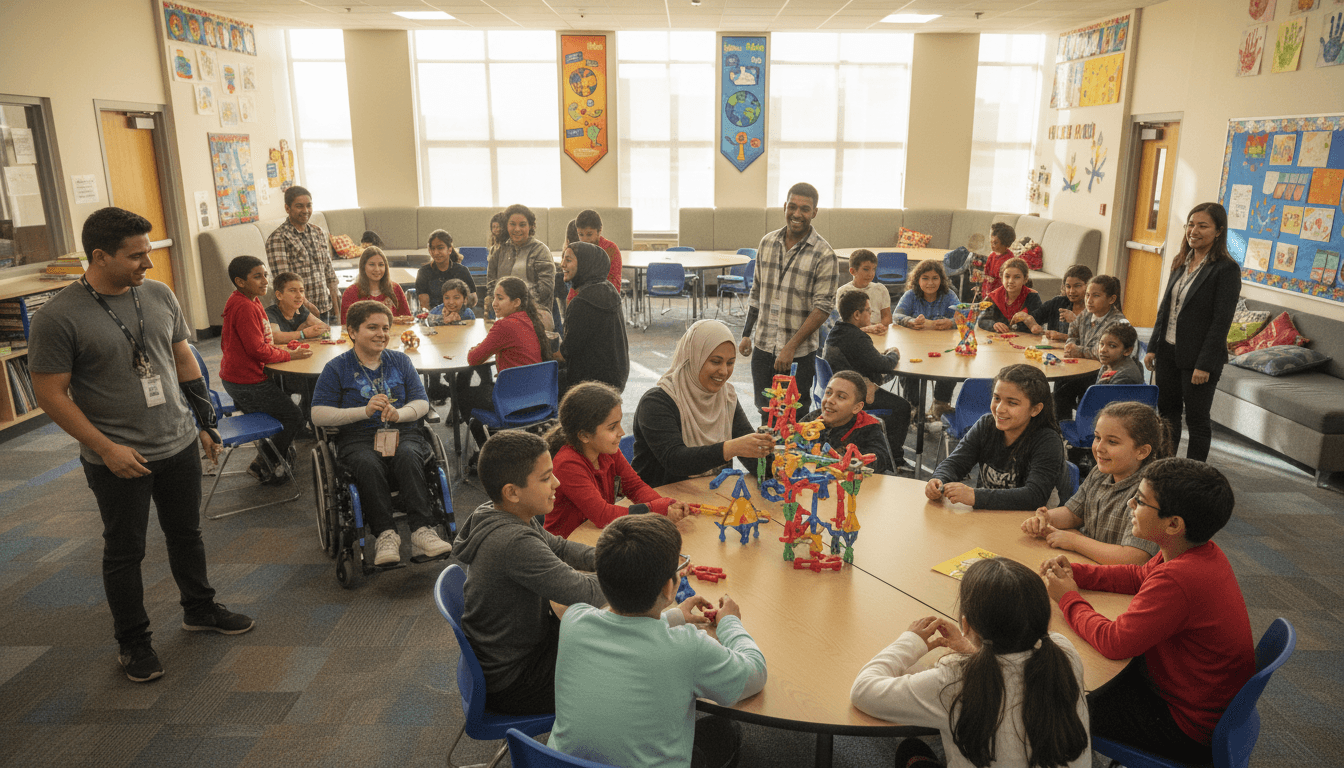
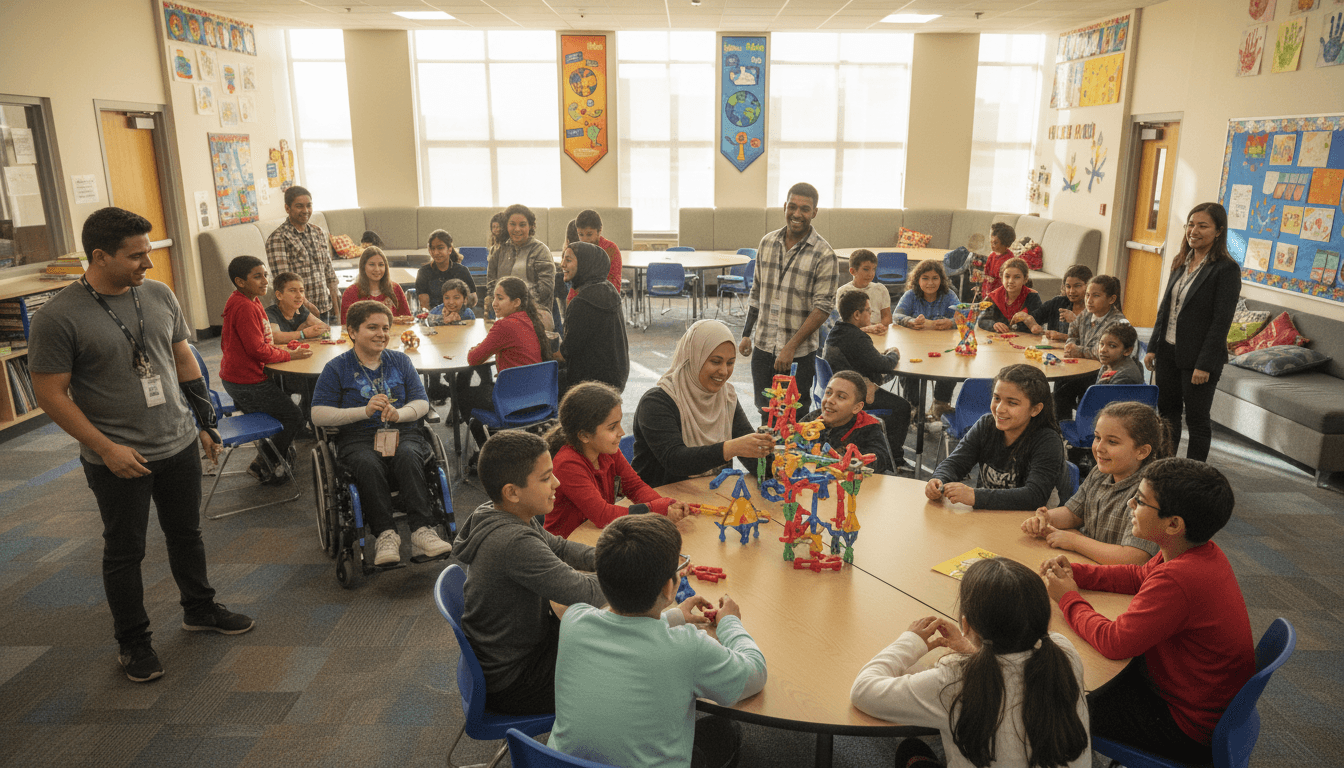
Disability inclusion in schools means that students with disabilities are full participants in the learning community: in classrooms, in extracurricular activities, in school events, and in the cultural life of the building. A newsletter that communicates what the school is doing to make that full participation possible tells families of students with disabilities that their child belongs here, and tells the broader community that inclusion is a value the school actively practices, not just a word in a mission statement.
This guide covers what to include in a disability inclusion newsletter, how to write about disability in language that respects disabled students and families, and how to build a communication cadence that integrates inclusion into the full school story rather than isolating it as a special education topic.
Writing about disability in respectful, accurate language
Language in disability inclusion communication matters and evolves. Some communities prefer identity-first language (disabled student, autistic person). Others prefer person-first language (student with a disability, person with autism). When in doubt, follow the lead of the specific communities you are communicating with. Avoid inspiration framing: a newsletter that praises a disabled student for "overcoming their disability to participate in the science fair" treats disability as something to be transcended rather than as one dimension of a whole person. Write about disabled students the same way you would write about any student: as a person with strengths, challenges, interests, and a place in the school community.
Communicating Universal Design for Learning
Universal Design for Learning (UDL) is the practice of designing instruction from the start to be accessible to the widest possible range of learners, rather than retrofitting accommodation after the fact. A newsletter that explains what UDL looks like in your classrooms gives families context for teaching decisions that might otherwise seem like special accommodations. "This year our fourth grade team is piloting flexible assessment options that allow students to demonstrate learning through written, oral, or visual formats. This design serves students with writing difficulties, language learners, and students who simply think more clearly through one format than another." That description makes UDL visible as good pedagogy, not as a disability accommodation.
Physical accessibility updates
Physical accessibility is the most visible dimension of disability inclusion, and facility updates around accessibility are worth communicating clearly in a newsletter. A new ramp, an accessible bathroom renovation, a sensory room opening, or an updated emergency evacuation plan that includes protocols for students who use mobility equipment all deserve newsletter coverage. These communications tell families of students with physical disabilities that the school is making concrete investments in their child's full participation.
Community events that are accessible to all
Every school event should include accessibility information in its newsletter announcement: the accessible parking and entrance locations, whether ASL interpretation is available, whether the venue is sensory-friendly, and who to contact with accommodation requests. Including this information routinely, rather than only when an event has a specific disability focus, normalizes accessibility as a standard community expectation.
Resources for families of students with disabilities
Families navigating IEPs, 504 plans, and special education services often need more information than the school can provide through direct communication. A newsletter that includes one resource per issue, whether a guide to IEP meetings, a disability rights organization, an assistive technology resource, or a family support group, builds a genuinely useful repository of information across the school year.
Using Daystage for disability inclusion newsletters
Daystage delivers newsletters by email in formats that work with screen readers and assistive technology, which is a concrete expression of the accessibility values the newsletter promotes. Subscriber lists organized to include all school families ensure that disability inclusion communication reaches the whole community, not just families who are already engaged with special education services. Build your template, maintain your commitment in writing, and send consistently.
Get one newsletter idea every week.
Free. For teachers. No spam.
Frequently asked questions
What should a disability inclusion school newsletter include?
Cover the school's inclusive education philosophy and what it looks like in practice, upcoming Universal Design for Learning initiatives, physical accessibility updates, community events that are accessible to all, and resources for families of students with disabilities. Disability inclusion communication is most effective when it addresses both the practical and the relational dimensions of inclusion.
How do I communicate about disability inclusion without inadvertently being patronizing?
Use identity-first or person-first language according to the preference of the disability communities you serve. Avoid inspiration framing that positions disabled students as remarkable for attending the same school as everyone else. Write about inclusion as a design standard that benefits all students, not as an accommodation made for a few.
How do families of students with disabilities benefit from an inclusive school newsletter?
Families of students with disabilities benefit most from newsletters that position their child as a full member of the school community, not as a special case. Communication that addresses the whole school alongside specific inclusion supports tells these families that their child belongs here, not that they are tolerated here.
What language choices matter most in disability-inclusive newsletter communication?
Avoid deficit language that describes disabled students primarily in terms of what they cannot do. Focus on the supports, environments, and design choices that make full participation possible. The difference between a school that makes accommodations for students who need them and a school that designs learning for the full range of learners is visible in the language used to describe both.
How does Daystage support disability inclusion newsletter communication?
Daystage newsletters are delivered by email in accessible formats that work with screen readers and other assistive technology. Accessible delivery is a concrete expression of the inclusion values the newsletter describes. A disability inclusion newsletter that arrives in an inaccessible format undermines its own message.

Adi Ackerman
Author
Adi Ackerman is a former classroom teacher and curriculum writer with 8 years in K-8 schools. She writes about school communication, parent engagement, and what actually works in real classrooms.
More for Diversity & Equity
Inclusive Holiday Communication Newsletter: Writing School Holiday Messaging That Welcomes Every Family
Diversity & Equity · 6 min read
Multilingual Learner Equity Newsletter: Communicating Language Support and Inclusion to Families
Diversity & Equity · 6 min read
Anti-Racism Newsletter Guide for Schools: Communicating Racial Equity Work to Families and Staff
Diversity & Equity · 7 min read
Ready to send your first newsletter?
3 newsletters free. No credit card. First one ready in under 5 minutes.
Get started free