
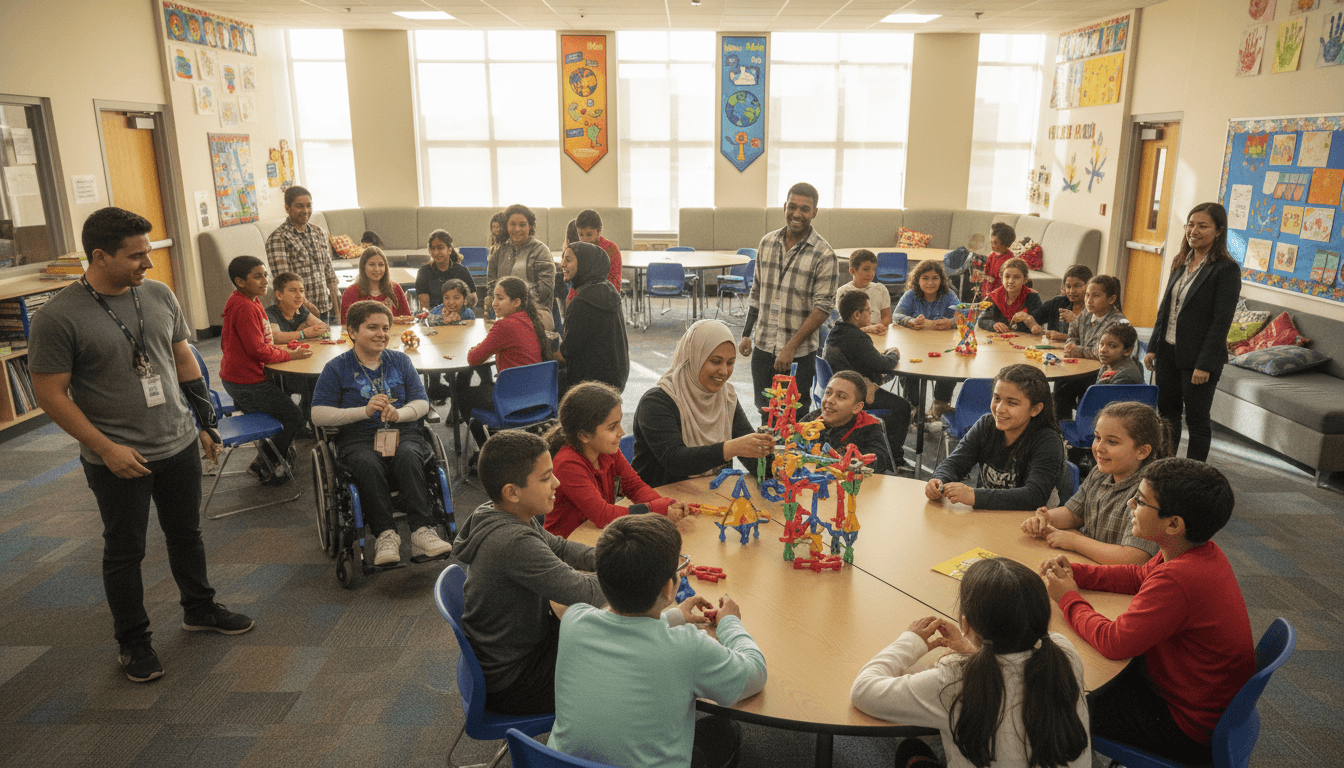
Culturally Diverse Classroom Newsletter: Communicating Cultural Inclusion to School Families
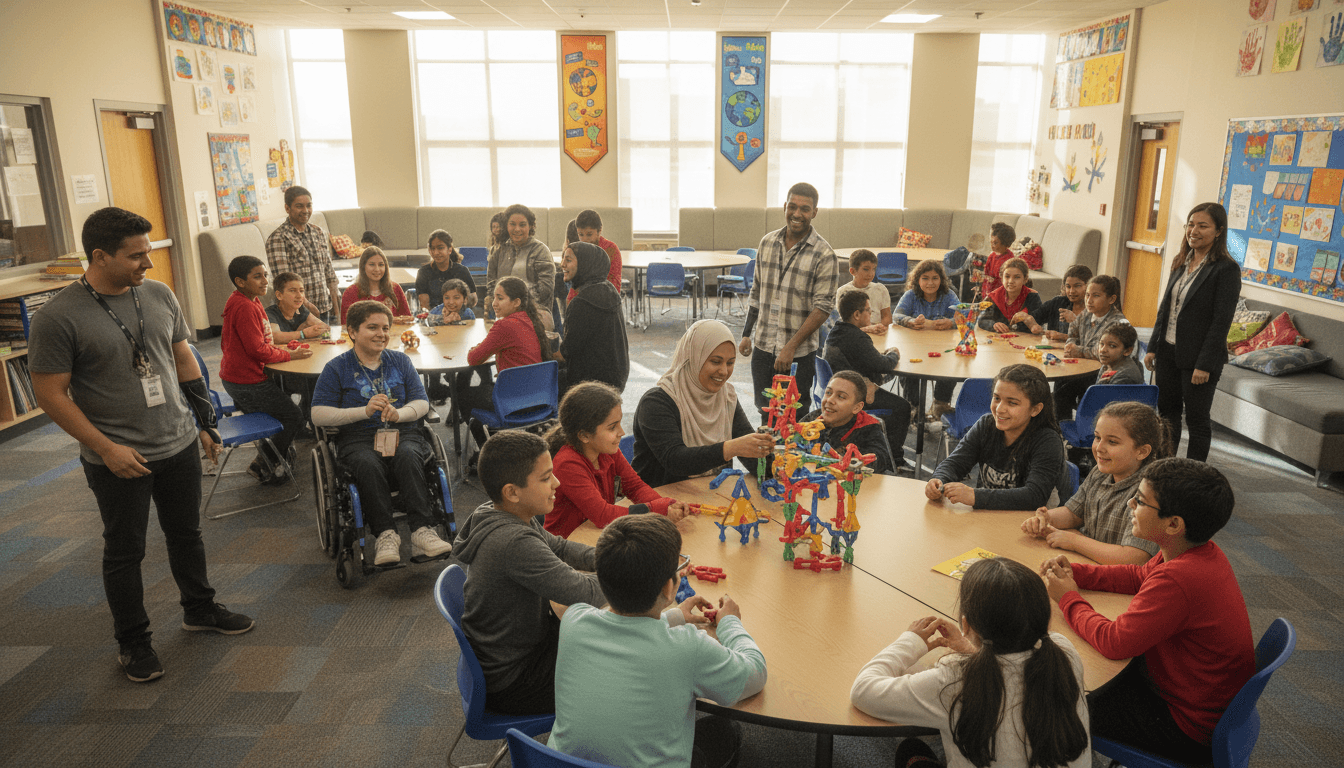
A culturally diverse classroom is not an accident of demographics. It is an environment that requires active, skilled teaching to work well. When teachers know how to honor cultural difference in daily practice, build genuine community across backgrounds, and address the tensions that real diversity sometimes creates, the classroom becomes a learning environment that prepares students for the world they will actually live in. A newsletter that communicates about this work accurately and specifically builds family trust and partnership.
This guide covers what to include in a culturally diverse classroom newsletter, how to communicate cultural inclusion without tokenizing, how to reach families from different cultural backgrounds, and how to address cultural difference honestly.
Communicating what culturally inclusive teaching actually looks like
Families who receive a newsletter about cultural diversity often have no picture of what that means in practice. A newsletter that describes specific classroom practices is far more useful than one that lists values. "This unit, students are studying the same historical event through primary sources from three different national perspectives. They are practicing the skill of holding multiple interpretations simultaneously." That description communicates both the pedagogy and the academic rationale.
Representing multiple cultural frameworks in curriculum
A curriculum that teaches only Western European intellectual frameworks as the standard for academic thinking is not culturally diverse, regardless of the demographic makeup of the classroom. A newsletter that communicates about curriculum choices that include non-Western literary traditions, mathematical approaches developed outside Europe, scientific knowledge systems from multiple cultures, and historical narratives from multiple perspectives signals that the school is serious about what cultural inclusion means in academic terms.
Addressing communication style differences across cultures
Different cultural backgrounds carry different norms for how to communicate with authority figures, how to express disagreement, how to signal understanding, and how to participate in group discussion. These differences affect how students experience school and how families engage with it. A newsletter that acknowledges this, and describes how teachers create multiple pathways for participation and communication, helps families from diverse backgrounds understand that the school has thought about their children's specific experience.
Building community across genuine difference
Community in a culturally diverse classroom does not mean glossing over difference. It means building enough trust and shared practice that difference can be named and explored rather than avoided. A newsletter that describes the community-building practices in your classrooms, whether through structured discussion, collaborative projects, restorative circles, or other approaches, communicates that cultural diversity is being treated as a resource rather than a management challenge.
Inviting families into culturally inclusive practice
Families from different cultural backgrounds can enrich the school community when the invitation is genuine and specific rather than performative. A newsletter that describes specific ways families can contribute, such as sharing expertise, participating in curriculum development, joining a cultural advisory group, or leading a community discussion, is more likely to generate real engagement than a general invitation to celebrate heritage month.
Using Daystage to communicate cultural inclusion consistently
Daystage supports bilingual and multi-language newsletter content, making it practical to reach families who read in languages other than English. Build culturally diverse classroom communication into your monthly template as a standing section rather than a special issue. Consistent presence across the year communicates that cultural inclusion is integral to the school's daily work.
Get one newsletter idea every week.
Free. For teachers. No spam.
Frequently asked questions
What should a culturally diverse classroom newsletter include?
Cover how the classroom honors cultural backgrounds in daily practice, what curriculum includes multiple cultural perspectives, how cultural difference is addressed when it creates tension, and how families from different cultural backgrounds can participate in school life. A culturally diverse classroom newsletter is most useful when it addresses practice rather than aspiration.
How do I communicate about cultural diversity without tokenizing specific communities?
Avoid treating cultural identity as a presentation or performance. Cultural diversity in a classroom is not a list of national holidays and food traditions. It is the presence of students with different frameworks for learning, communication, authority, and community. A newsletter that addresses these deeper dimensions of cultural difference communicates more accurately than one that focuses on surface-level celebrations.
How do I communicate with families from different cultural backgrounds about school expectations?
Name the specific expectations you want to communicate and explain their rationale. School cultures carry assumptions about communication styles, family involvement, and academic norms that are culturally specific rather than universal. A newsletter that explains why the school does what it does, rather than assuming families share those assumptions, reaches families from diverse backgrounds more effectively.
How do I address cultural conflict in a classroom in a school newsletter?
When cultural difference creates tension, communicate about the specific situation and how it is being addressed, without naming individual students. A newsletter that says the school takes seriously the task of creating community across genuine difference, and describes the specific practices being used to do that, is more useful to families than one that avoids the subject.
How does Daystage support culturally diverse classroom communication?
Daystage monthly newsletters can include translated summaries or bilingual content sections, which is directly useful for schools with families who read in languages other than English. Cultural inclusion communication that is accessible in the family's home language practices what it preaches. Build language accessibility into your newsletter template as a standing feature.

Adi Ackerman
Author
Adi Ackerman is a former classroom teacher and curriculum writer with 8 years in K-8 schools. She writes about school communication, parent engagement, and what actually works in real classrooms.
More for Diversity & Equity
DEI Coordinator Newsletter Guide: Communicating Equity Goals and Progress to the School Community
Diversity & Equity · 7 min read
Equity in School Newsletter Template: A Structure for Transparent, Action-Oriented Equity Communication
Diversity & Equity · 6 min read
Indigenous Student Acknowledgment Newsletter: Supporting Native American Students and Families
Diversity & Equity · 6 min read
Ready to send your first newsletter?
3 newsletters free. No credit card. First one ready in under 5 minutes.
Get started free