
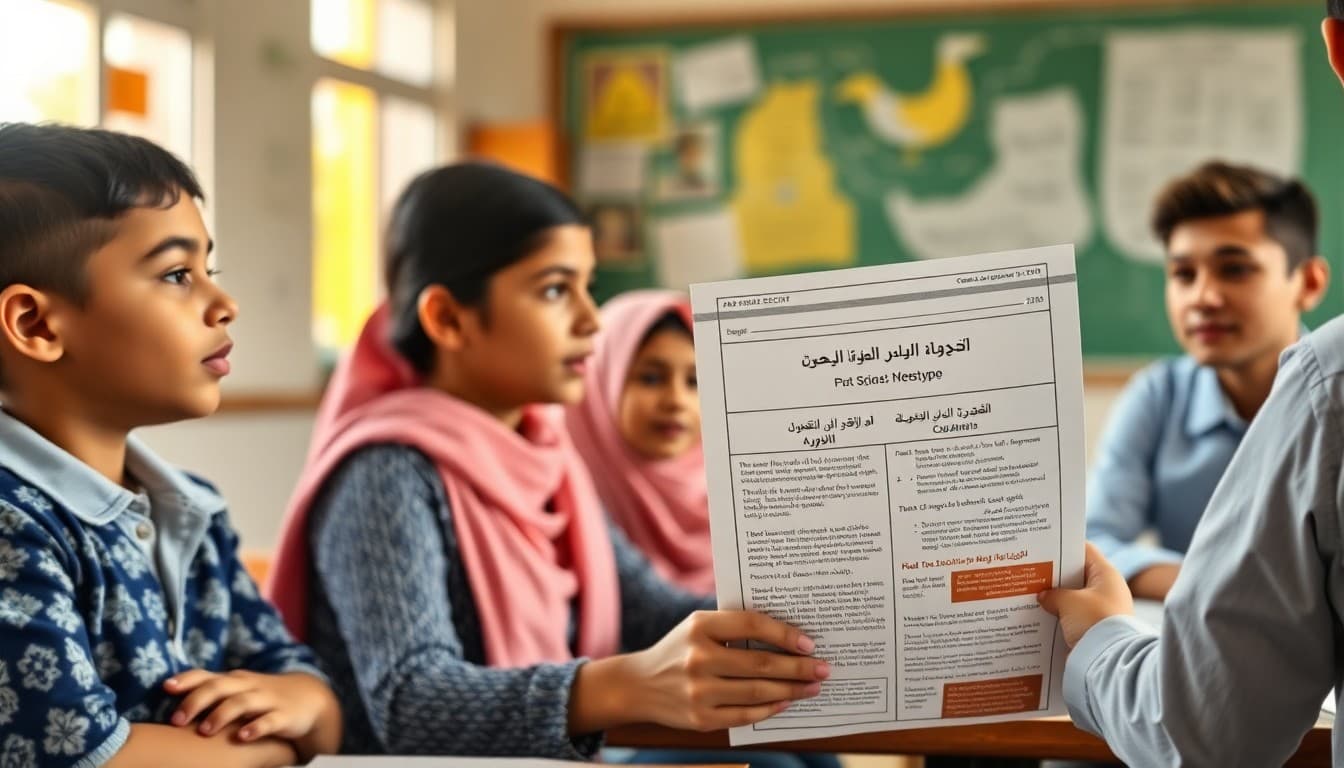
Arabic Speaking Family School Newsletter: Inclusive Communication
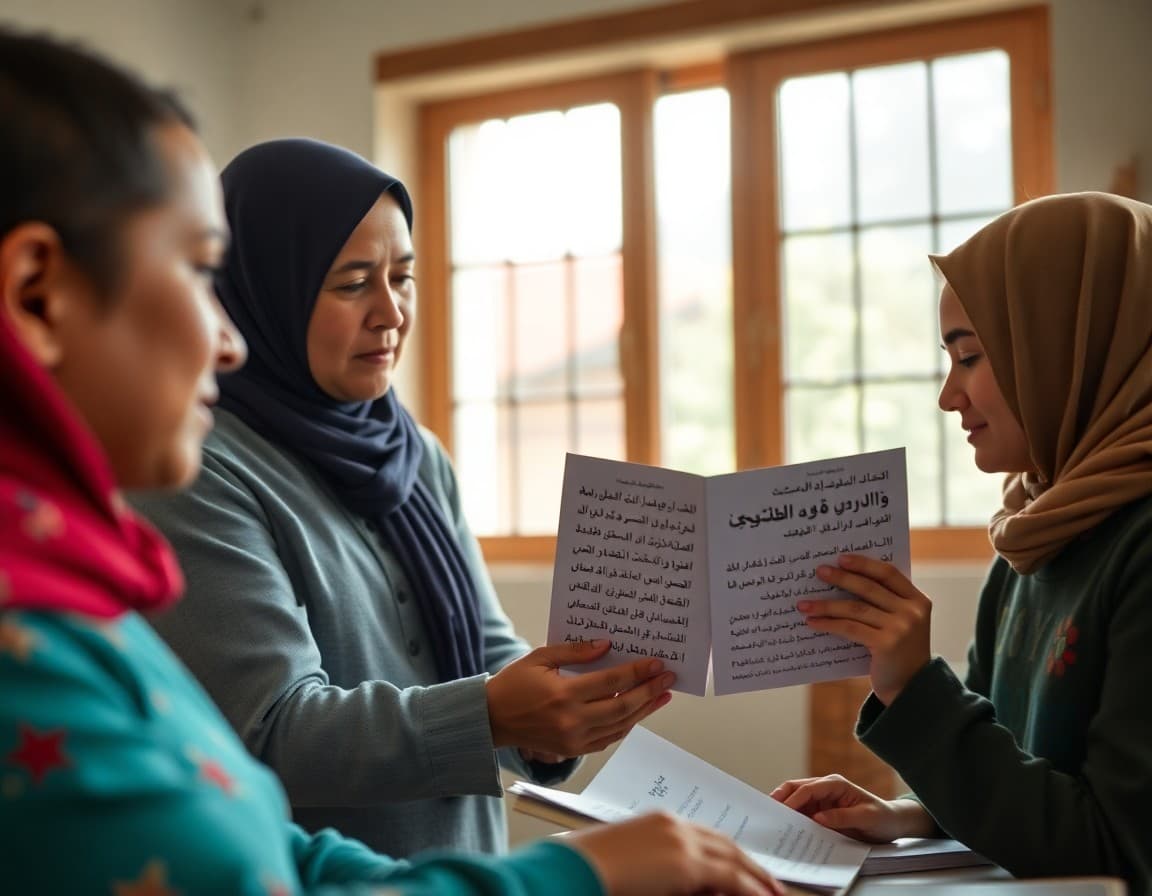
Arabic is the fifth most spoken language in the world and one of the fastest-growing home languages in American schools. Yet many schools with significant Arabic-speaking communities still rely on English-only communication and informal interpretation from bilingual students. A structured approach to Arabic-language family communication, built around accurate translation and genuine cultural understanding, changes the relationship between school and family in ways that directly benefit students.
Translation Quality Matters
Automated translation of Arabic produces errors that range from awkward to embarrassing to genuinely misleading. Arabic is a morphologically complex language with significant regional variation, and translation tools trained primarily on English-Arabic parallel text often produce formal constructions that no family uses in daily speech. Worse, errors in translated school communications, especially around discipline, medical forms, or enrollment requirements, can have real consequences for families who act on incorrect information.
Invest in human translation for all formal school communications. Your district likely has a translation services office; if not, partner with local Arab American community organizations, mosques with community outreach programs, or university Arabic language departments. The cost per page is modest; the benefit in family trust is significant.
Explaining the American School System
Families who attended school in Egypt, Lebanon, Syria, or other Arab countries experienced educational systems with very different structures and expectations. In many Arab countries, parent involvement is limited to formal meetings; parents do not attend school events casually or volunteer in classrooms. The role of school counselors does not exist in many systems. Standardized testing looks different. Grade-level expectations differ.
Your Arabic-language newsletter can include brief explanatory notes about how American schooling works: what a parent-teacher conference is and what families are expected to say in it, how the grading scale works, what AP courses are and why they matter for college admission, and what an IEP is. These explanations are not condescending when they are offered as genuine context for families navigating an unfamiliar system.
Acknowledging Religious and Cultural Observances
A majority of Arabic-speaking families in the United States are Muslim, though a significant number are Arab Christian, Druze, or members of other communities. For Muslim families, religious observances shape the school calendar in significant ways. Ramadan involves daytime fasting that can affect students' energy and concentration. Eid al-Fitr and Eid al-Adha are two major celebrations when many families observe school absences.
Your newsletter should note when these observances fall each year and describe the school's approach to accommodating them. "Eid al-Fitr this year falls on approximately [date]. Students who observe Eid are encouraged to notify the office in advance. Absences for religious observance are excused." That single sentence removes a source of anxiety for families who worry about their child's attendance record.
Addressing the Diversity Within Arabic-Speaking Families
The Arab world spans more than 20 countries with distinct cultures, dialects, religions, and histories. A Palestinian family from Gaza, a Lebanese Maronite Christian family, a Yemeni family who arrived as refugees, and an Egyptian family who immigrated for professional opportunities all speak Arabic and share some cultural touchstones, but their experiences, needs, and relationships with American institutions are different. Your newsletter should never flatten this diversity with a single "Arab community" frame.
Hiring or Partnering With Community Liaisons
A community liaison who speaks Arabic and has relationships within your school's Arabic-speaking families is worth more to family engagement than any number of translated newsletters. They attend community gatherings, answer informal questions, and build the trust relationships that institutional communication cannot. In your newsletter, introduce your liaison by name and describe how families can reach them.
Academic Supports Worth Naming
Your Arabic-language newsletter should describe the academic support services available to English language learners, the process for accessing them, and the timelines involved. Families who understand that an ELL assessment happens within 30 days of enrollment and that results inform placement can advocate for their children more effectively. Include the name and contact information of your ELL coordinator in every issue.
Building Long-Term Engagement
Family engagement with Arabic-speaking communities builds over years, not weeks. A school that consistently produces Arabic-language communications, fields questions through bilingual staff, and celebrates Arab student and community achievements becomes genuinely trusted. Daystage makes it possible to build this consistency: schedule Arabic-language newsletters alongside English ones, track open rates to see what content Arabic-speaking families respond to, and let that data guide your future communication decisions.
Get one newsletter idea every week.
Free. For teachers. No spam.
Frequently asked questions
How do I produce a school newsletter in Arabic?
Use a professional human translator, not automated tools like Google Translate, for school communications. Arabic has significant dialectal variation, so specify whether you need Modern Standard Arabic (used in formal writing across the Arab world) or a specific regional dialect. For school newsletters, Modern Standard Arabic is generally appropriate and readable across dialect groups. Partner with your district's translation services, local Arab American community organizations, or university Arabic programs for translation support.
What should an Arabic-language school newsletter include that an English newsletter might not?
Explain the structure of the American school system, which may be unfamiliar to families who attended school in Arab countries. The role of parent-teacher conferences, grading scales, extracurricular activities, school counselors, and standardized testing all operate differently in the US than in many Arab educational systems. A brief explanatory note about any of these topics in the Arabic version of your newsletter gives recently arrived families context that helps them support their children effectively.
How do I address the diversity within Arabic-speaking families?
Arabic-speaking families in American schools come from more than 20 countries across the Arab world: Morocco, Egypt, Lebanon, Syria, Iraq, Yemen, Jordan, Palestine, Saudi Arabia, and many others. Each country has different cultural traditions, educational histories, and relationships with American institutions. Do not treat Arabic-speaking families as a monolithic group. Acknowledge the diversity within the community and avoid generalizations that apply to some Arab cultures but not others.
How do I schedule school events that respect Muslim observances for Arab families?
Many but not all Arabic-speaking families are Muslim. For those who are, scheduling sensitivity around the five daily prayers (particularly the Friday midday Jumu'ah prayer), Ramadan, Eid al-Fitr, and Eid al-Adha matters significantly. A newsletter that notes major Islamic observances and describes the school's scheduling accommodations signals respect. Do not assume all Arabic-speaking families are Muslim; some are Christian, Druze, or belong to other traditions.
What platform supports multilingual school newsletters including Arabic?
Daystage supports right-to-left text formatting, which is essential for Arabic. A newsletter platform that cannot handle right-to-left text produces garbled Arabic output that is worse than no translation at all. Daystage also allows you to send different language versions to different audience segments, so Arabic-speaking families receive the Arabic version while the general school community receives the English version.

Adi Ackerman
Author
Adi Ackerman is a former classroom teacher and curriculum writer with 8 years in K-8 schools. She writes about school communication, parent engagement, and what actually works in real classrooms.
More for Diversity & Equity
ELL Parent Outreach Newsletter: Reaching Multilingual Families
Diversity & Equity · 7 min read
Multilingual Learner Equity Newsletter: Communicating Language Support and Inclusion to Families
Diversity & Equity · 6 min read
Culturally Responsive Newsletter Translation: More Than Just Words
Diversity & Equity · 7 min read
Ready to send your first newsletter?
3 newsletters free. No credit card. First one ready in under 5 minutes.
Get started free