

School Anti-Racism Book Club Newsletter: Staff Learning Community
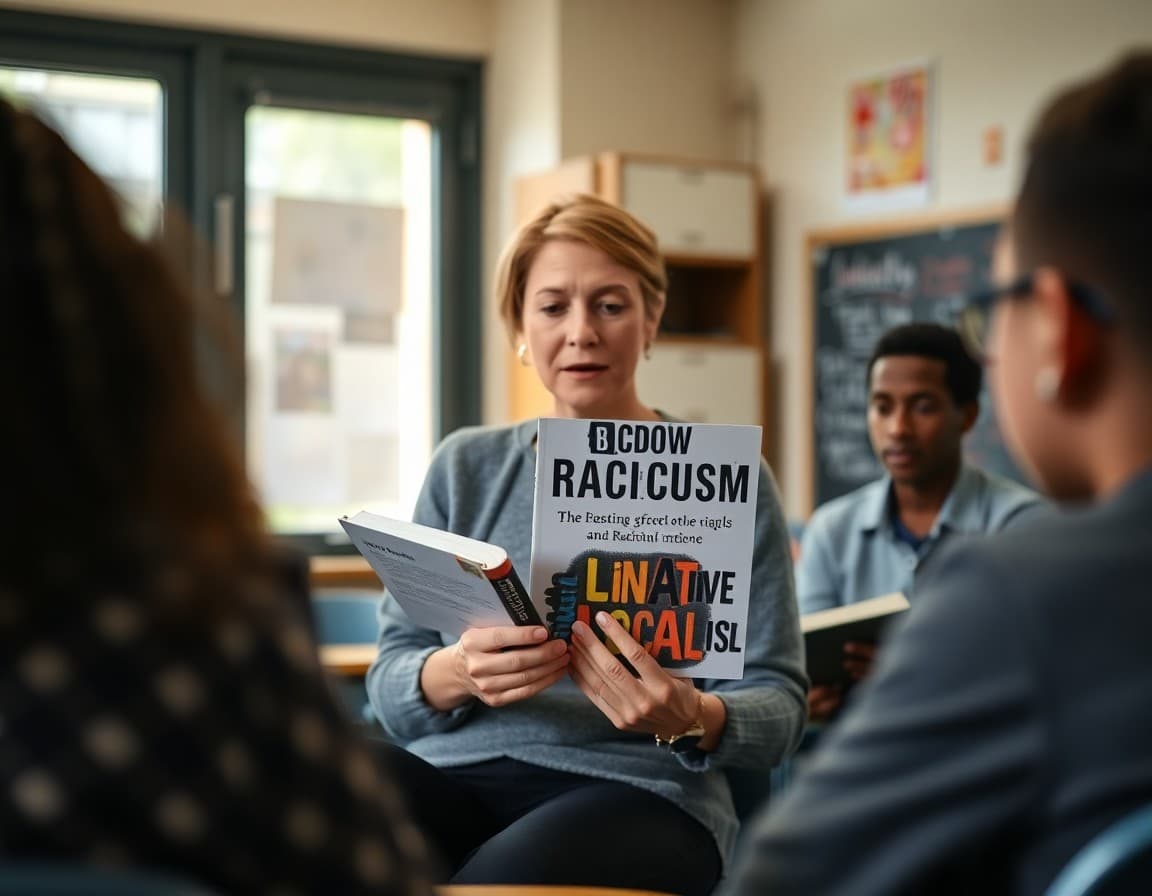
Staff anti-racism book clubs are one of the more effective forms of professional development for equity work. Reading together, discussing uncomfortable ideas in a structured setting, and connecting theory to practice is more durable than a single workshop. But the communication around the book club, both internally to staff and externally to families, shapes whether it succeeds or generates the kind of controversy that derails the work before it produces results.
Why Communicate About Staff Book Clubs Externally
Some school leaders prefer to keep staff professional development internal. There is a logic to that: families do not receive updates on every professional development activity. But anti-racism book clubs are different. When families hear about them secondhand, from their children, from other parents, or from social media, they often receive incomplete or distorted information. A brief, honest newsletter update from the school positions the school as transparent and professional rather than secretive.
Introducing the Current Book
Your newsletter should name the book being read and give a one-sentence summary of its argument. "This semester's book club is reading Culturally Responsive Teaching and the Brain by Zaretta Hammond, which examines how culturally responsive pedagogy works with the brain's learning processes to improve outcomes for underserved students." That description is accurate, professional, and tells families something concrete about what staff are learning without triggering defensive reactions. If the book has a more politically charged reputation, acknowledge it directly: "We chose this book because it provides a research-based framework for understanding how bias affects student learning, even when teachers have good intentions."
Connecting the Learning to School Practice
The most effective anti-racism book club communication connects the reading to specific changes in school practice. "Staff have identified three changes to implement based on our September discussions: more consistent use of equity sticks for class participation, revision of our English department's core reading list to include more diverse authors, and a review of our referral process for gifted education." Those three bullets are specific, actionable, and show families that the book club is producing real outcomes.
Addressing the Common Objections
Families who object to anti-racism professional development tend to raise a few consistent concerns. First, that it is ideologically motivated. Second, that it teaches staff to see everything through a racial lens. Third, that it is divisive. Address these directly in your newsletter, briefly and without defensiveness. "The goal of this learning community is to improve educational outcomes for all students. We are examining research on how racial bias affects school systems and developing practical strategies to reduce its effects. This is professional practice development, not political programming."
What Staff Are Discussing
A brief summary of the questions driving discussion makes the book club feel substantive. "This month's discussion focused on the difference between equity and equality, and what that distinction means for how we design support systems for students who are behind grade level. Staff shared examples from their classrooms and identified specific places where the school's current approach may be producing unequal outcomes." That summary is substantive enough to be credible and vague enough to protect the privacy of individual staff members' contributions to the discussion.
Inviting Family Participation
If your school is open to extending the book club conversation to families, say so. "We are considering a parent reading group for families who want to explore these topics alongside staff. If you are interested in joining, contact [name]." That invitation is low-pressure and signals genuine openness to community engagement, which is more effective than a defensive posture.
Reporting on Impact
At the end of the year, or at the end of a book, send a brief update on what the book club produced. Name the specific changes implemented, the data that motivated them, and any preliminary signs of impact. "Following our fall book club, we revised our discipline referral process. Discipline referrals for students of color decreased by 12% in the spring semester compared to the same period last year." Numbers are the most credible form of accountability, and families who see them trust the process more than families who only see aspirational commitments.
Get one newsletter idea every week.
Free. For teachers. No spam.
Frequently asked questions
Should a school tell families about a staff anti-racism book club in a newsletter?
Yes, briefly and honestly. If staff are spending professional development time on anti-racism reading and discussion, families have a reasonable interest in knowing what their school's professional learning looks like. A newsletter that describes the book being read, the key questions being explored, and what the school hopes to do differently as a result of the learning is more reassuring than silence, which invites speculation.
What books are commonly used in school staff anti-racism book clubs?
Popular titles include How to Be an Antiracist by Ibram X. Kendi, White Fragility by Robin DiAngelo, Stamped from the Beginning by Ibram X. Kendi, So You Want to Talk About Race by Ijeoma Oluo, Blindspot by Mahzarin Banaji and Anthony Greenwald, The New Jim Crow by Michelle Alexander, and Culturally Responsive Teaching and The Brain by Zaretta Hammond. For school-specific contexts, Courageous Conversations About Race by Glenn Singleton is widely used. Your choice of book signals something about your school's approach and should be described with enough context that families understand what perspective it comes from.
How do I communicate the purpose of an anti-racism book club without generating parent backlash?
Be direct about the goal: staff are learning how to recognize racial bias in their own practice and in school systems, and they are developing specific strategies to improve outcomes for students of color. Connect the learning to your school's existing data. 'Our suspension data shows a persistent gap. Our book club this year is focused on understanding the roots of that gap and developing concrete responses.' Data-grounded framing is more effective than aspirational language about becoming an anti-racist school.
How do I handle staff members who are resistant to participating in an anti-racism book club?
Resistance is common and worth acknowledging in how you communicate about the program. A newsletter that frames the book club as a voluntary learning community rather than a mandatory re-education program will get less resistance. Staff who participate voluntarily engage more genuinely. If the book club is mandatory, communicate clearly about why: 'All staff are participating in this learning because we believe every member of our community has a role in improving outcomes for every student.'
What newsletter tool works well for communicating about staff professional development?
Daystage lets you send staff-specific newsletters alongside family-facing ones. A newsletter that gives staff a summary of book club discussions and upcoming readings is different from a newsletter that informs families about what staff are learning. Daystage's audience segmentation makes it easy to send both without confusion.

Adi Ackerman
Author
Adi Ackerman is a former classroom teacher and curriculum writer with 8 years in K-8 schools. She writes about school communication, parent engagement, and what actually works in real classrooms.
More for Diversity & Equity
DEI Professional Development Newsletter: Communicating Staff Equity Learning to School Families
Diversity & Equity · 6 min read
Implicit Bias Training Newsletter: Staff Learning for Equity
Diversity & Equity · 6 min read
Anti-Racism Newsletter Guide for Schools: Communicating Racial Equity Work to Families and Staff
Diversity & Equity · 7 min read
Ready to send your first newsletter?
3 newsletters free. No credit card. First one ready in under 5 minutes.
Get started free