

District Newsletter: Addressing Our School Nurse Staffing Challenge
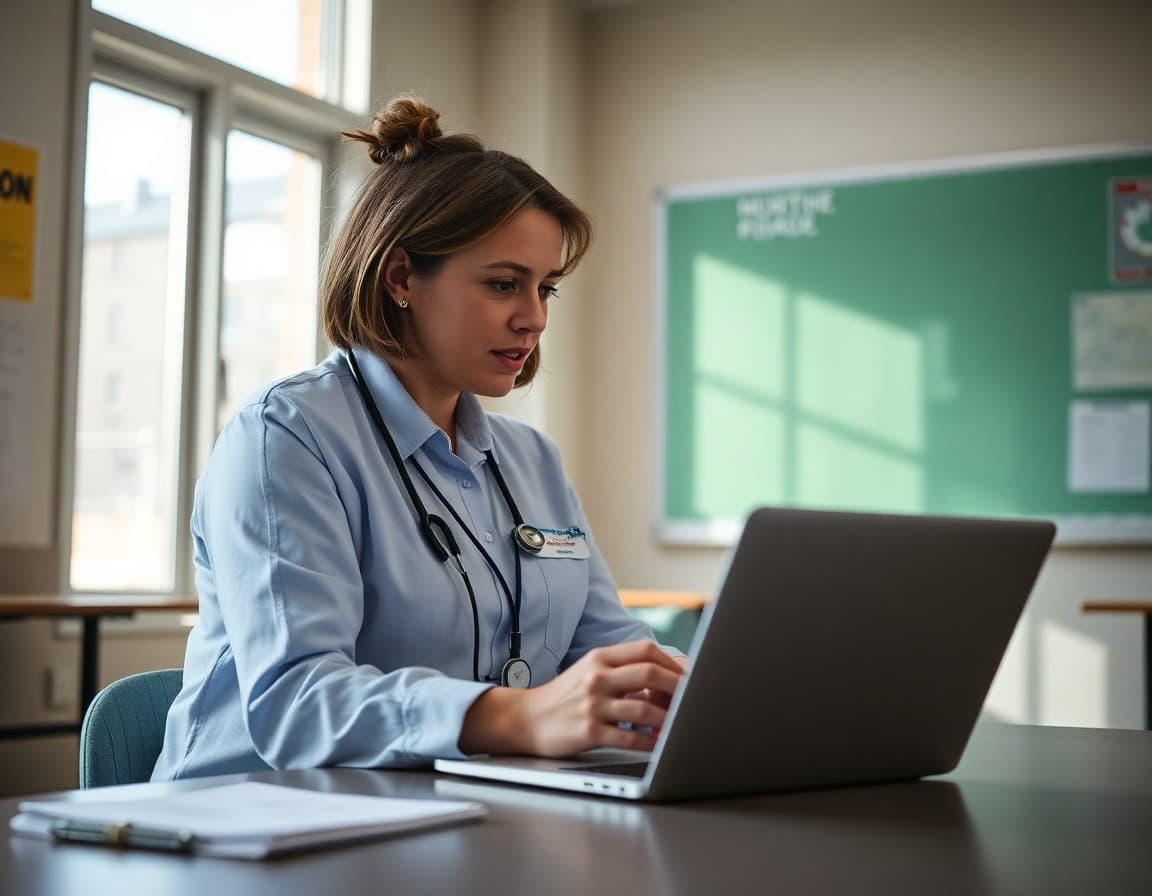
School nurse shortages are affecting districts across the country. When your district is operating with reduced nursing coverage, families deserve a clear and honest explanation of what that means for their student's day-to-day health needs. Transparent communication now prevents confusion, concern, and frustration when a health situation arises at school and the family realizes the arrangement is different from what they expected.
The Current Staffing Situation
Our district currently has [number] licensed school nurses serving [number] schools. We are actively recruiting to fill [number] vacancies. The shortage reflects a broader national trend: the American School Health Association has documented a significant gap between the number of school nursing positions and the number of qualified candidates available. This is not a problem unique to our district, but it is our responsibility to address it openly and to ensure students remain safe while we work to resolve it.
What Interim Coverage Looks Like
While vacancies remain, our licensed nurses rotate across schools on a scheduled basis. On days when a licensed nurse is not on site at your school, a trained health aide or designated staff member is available in the health office. These staff members have completed first aid, CPR, and medication administration training. They follow written protocols developed by our district health director for the most common health situations, and they can reach a licensed nurse by phone for guidance at any time during the school day.
For Students With Chronic Health Conditions
Students who require daily medication, have a 504 health plan, or manage conditions like asthma, diabetes, or severe allergies need updated health plans on file. If your student's health plan has not been reviewed in the past year, contact the school to schedule an update. Self-carry authorization for emergency medications like epinephrine auto-injectors is available and strongly encouraged for students who qualify. Do not wait for a health emergency to find out whether the school has current information.
Who to Contact for Health Concerns
If your student has a health concern that arises during the school day, the health office staff will contact you using the emergency contact information on file. Please verify that your contact information is current. Each school's health contact is listed on the district website. For questions about your student's health plan or medication administration, contact the district health services director at [contact information].
A Sample Newsletter Excerpt
"We want to be upfront with you. We are currently recruiting to fill school nurse vacancies in [number] of our buildings. While those positions are open, trained health staff are present at every school and can reach a licensed nurse immediately by phone. Students with ongoing medical needs should have current health plans on file. Here is who to contact if you have questions about your child's specific situation."
Our Recruitment Efforts
The district is partnering with [university or agency] to recruit licensed school nurses from their graduate programs. We are also working with our state school nurses association to identify candidates. We are committed to filling these positions and have prioritized them in our hiring process. We will update families when vacancies are filled.
How Families Can Help
Families can help by ensuring health information is up to date, communicating any changes to their student's health status or medications to the school health office, and reaching out to us with questions rather than making assumptions about coverage. If you know a licensed school nurse who might be interested in a position with our district, please share our job posting. Daystage newsletters include a direct link to the application so that every family who opens this message can help us spread the word.
Get one newsletter idea every week.
Free. For teachers. No spam.
Frequently asked questions
How should a district communicate honestly about a nurse shortage without alarming families?
Be direct about the staffing situation and immediately follow with what interim arrangements are in place. Families handle honest news better than vague reassurances. Describe specifically who is covering health responsibilities, what training they have, and what the plan is to resolve the shortage. The communication should feel like a problem being managed, not a problem being hidden.
What interim health coverage options do districts typically use?
Common interim arrangements include sharing a licensed school nurse across two or three schools on a rotating schedule, contracting with a staffing agency for substitute nursing coverage, training a health aide or designated staff member in basic first aid and medication administration, and establishing a clear protocol for when to call a parent versus when to call 911.
What should families do when there is no full-time nurse at their school?
Families should ensure the school has current emergency contact information and up-to-date medical forms. Students with chronic conditions like asthma, diabetes, or severe allergies should have an updated health plan on file and, where appropriate, a self-carry medication authorization. Families should also know the name of the designated health contact at their school and their direct phone number.
Are districts required to have a licensed nurse on site?
Requirements vary by state. Some states mandate a licensed school nurse in every building. Others allow licensed practical nurses, health aides, or delegated school staff with specific training. The newsletter should accurately reflect your state's requirements and how your district's current coverage aligns with them.
How does Daystage help with urgent health communications?
Daystage lets district health services staff send a quick, targeted newsletter to families with specific guidance, updated contact information, and forms to complete. The platform tracks delivery so staff can confirm families received the information.

Adi Ackerman
Author
Adi Ackerman is a former classroom teacher and curriculum writer with 8 years in K-8 schools. She writes about school communication, parent engagement, and what actually works in real classrooms.
More for District
Ready to send your first newsletter?
3 newsletters free. No credit card. First one ready in under 5 minutes.
Get started free