

District Newsletter: School Climate Survey Results
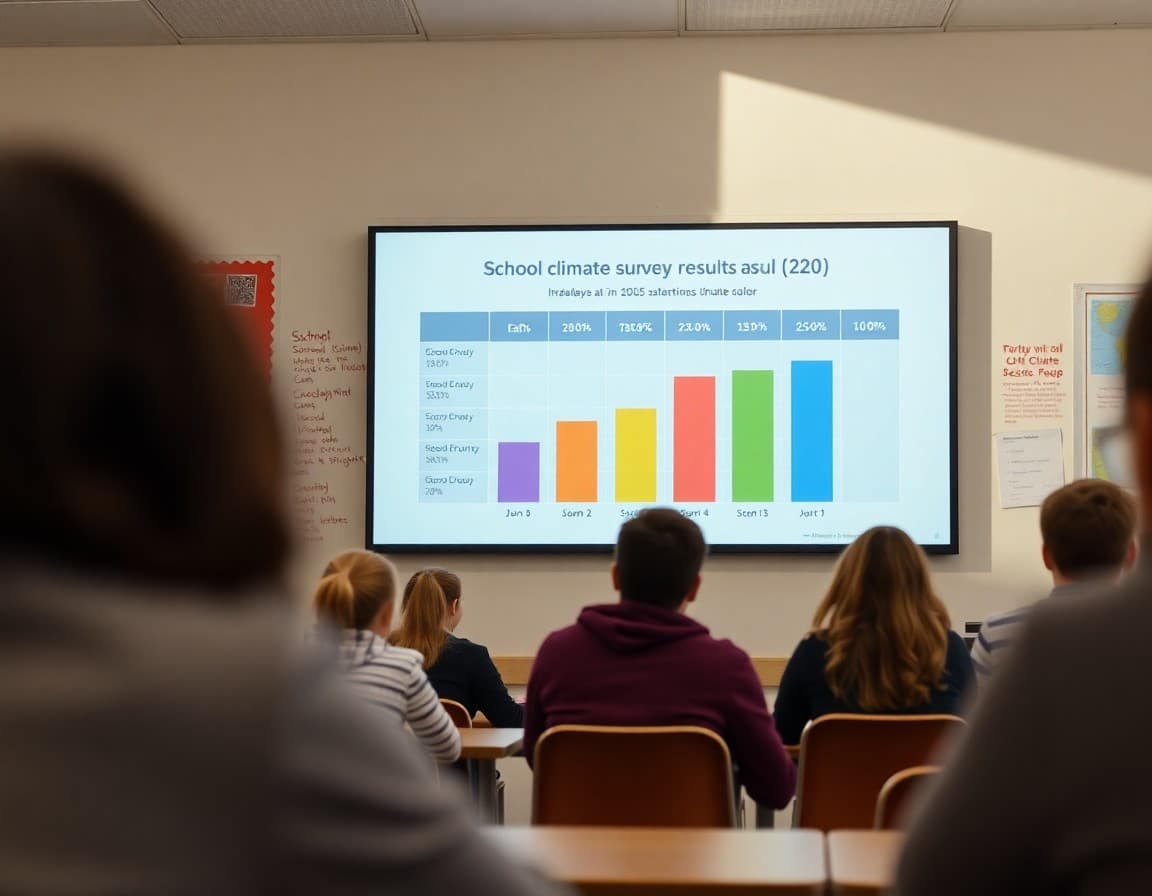
A school climate survey is only useful if the results are shared and acted on. When families and staff complete a survey and receive no feedback, the implicit message is that their input was collected for appearances. When results are communicated directly alongside a clear response plan, the survey becomes what it was intended to be: a genuine accountability tool.
Open With the Response Rate
Start by reporting how many people participated. Share the response rates for students, families, and staff separately. A high response rate signals broad engagement. A low response rate is worth acknowledging because it limits how representative the findings are. Describing what the district will do differently to reach more respondents in the next cycle demonstrates that response rate is taken seriously.
Describe What the Survey Measured
Briefly explain what domains the survey covered. School safety and belonging. Teacher- student relationships and care. Peer relationships and conflict. Family engagement. Fairness and inclusion. Access to support services. Readers who understand what was measured can better interpret the findings that follow.
Report the Key Findings
Share the three to five most significant findings from the survey, both positive and concerning. For each finding, give the specific data: the percentage of students who agreed with a statement about belonging, the percentage of families who said they feel welcomed at their child's school, or the percentage of staff who reported feeling supported by district leadership. Specific numbers are more credible than general characterizations.
Highlight Strengths
Start with what the survey revealed is working well. Areas where families, students, and staff expressed strong agreement deserve public recognition. If 87% of families said they feel their child is safe at school, that is worth celebrating. If students consistently rated their relationship with classroom teachers as strong, that finding is worth surfacing. Starting with strengths before moving to concerns is not spin. It is an accurate representation of a complex data picture.
A Sample Results Communication Format
"Areas of strength: 84% of students reported having an adult at school they can talk to when they need help (up from 79% last year). 91% of families said they feel welcomed when they visit their child's school. Areas for improvement: 32% of students from economically disadvantaged backgrounds reported not feeling they belong at school, compared to 18% of other students. 41% of staff reported that communication from district leadership is not timely or clear. These findings are guiding our action planning for the year."
Be Direct About Concerning Findings
Do not soften concerning findings with so much context that the concern disappears. If a significant percentage of students from specific groups do not feel they belong at school, that requires direct acknowledgment. If staff are dissatisfied with communication from leadership, the newsletter should say so. Glossing over concerning data destroys the credibility of the survey process and guarantees lower participation next year.
Describe the Action Plan
For each major area of concern, describe what the district is doing in response. Specific actions with owners and timelines are more credible than general commitments. "We will expand SEL instruction in the three schools with the lowest belonging scores" is actionable. "We are committed to improving school culture" is not. The action plan section is where the survey moves from data collection to change.
Commit to the Next Survey and Update
Close by stating when the next climate survey will take place and when families and staff can expect the next results update. The commitment to ongoing measurement and reporting signals that this is a sustained accountability practice, not a one-time compliance exercise. Include a link to the full survey results report and a contact for families who have questions or want to participate in the district's action planning process.
Get one newsletter idea every week.
Free. For teachers. No spam.
Frequently asked questions
Why is reporting school climate survey results important?
Families and staff who complete a survey and never hear the results will not complete the next survey. Reporting results closes the feedback loop and signals that the district takes input seriously. It also identifies areas where the district needs to improve and creates public accountability for following through. Survey reporting is how a district demonstrates that the process of asking was sincere, not performative.
What school climate survey results should a district share publicly?
Report on the overall findings and the themes, not every individual question. Focus on the areas with the strongest agreement, the areas with the most concern, and any significant differences by student group, school, or grade level. If the survey asked about belonging, safety, teacher-student relationships, and communication, summarize the findings for each domain. Include the response rates so families understand how representative the data is.
How do you communicate concerning climate survey results without alarming families?
Be direct about what the data shows, explain the context, and immediately follow with the district's response plan. Concerning results are most alarming when they appear without explanation or response. A result showing that one in five students does not feel safe at school is alarming on its own. The same result, accompanied by the specific actions the district is taking in response, converts alarm into accountability.
How often should a district conduct and report on school climate surveys?
Annual surveys are the standard for most districts. The survey should be conducted at the same time each year so results are comparable. Results should be shared within 60-90 days of survey completion. Year-over-year trend comparisons are among the most useful data a district can share because they show whether the school environment is improving.
How can Daystage help districts share climate survey results with all families?
Daystage lets district teams build clear data summary newsletters with charts, key findings, and action plan commitments. Sending to all schools at once ensures consistent messaging and demonstrates transparency across the entire district.

Adi Ackerman
Author
Adi Ackerman is a former classroom teacher and curriculum writer with 8 years in K-8 schools. She writes about school communication, parent engagement, and what actually works in real classrooms.
More for District
Ready to send your first newsletter?
3 newsletters free. No credit card. First one ready in under 5 minutes.
Get started free