

District Newsletter: Arts and Culture Programs Across Our District
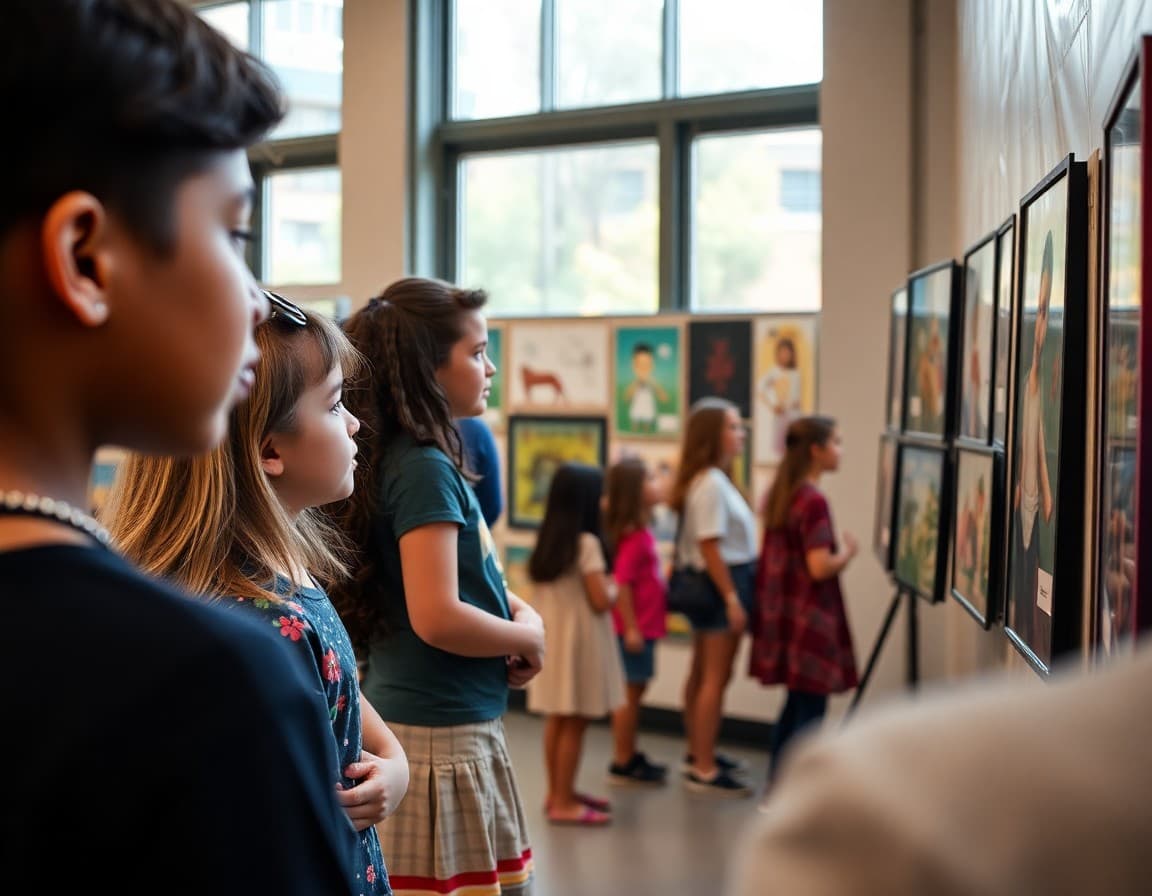
Arts and culture programs are where students find out who they are. A student who discovers their voice in a choir, who loses themselves in a visual art project, or who experiences the discipline and connection of theater for the first time is having an experience that shapes them in ways that outlast any test score. A district newsletter that celebrates those programs gives them the public visibility they deserve.
Open With a Specific Celebration
Start with something concrete that happened recently. A choral group that was selected for a state festival, a student whose sculpture was selected for a regional exhibition, a theater production that drew a standing ovation, or a muralist who transformed a school hallway. Specific achievements are more engaging than general statements about the importance of arts education, and they give readers a reason to keep reading.
Cover Each Discipline
Structure the newsletter around the four primary arts disciplines. Visual arts: describe a specific student exhibition, an art integration project, or a new program. Music: highlight orchestra, band, or choir accomplishments and note any competition results or performances. Theater: describe the most recent production, any student playwrights or one-act festival participants. Dance: if your district has dance programs, describe performances or class projects. Even two or three sentences per discipline is enough to make each feel acknowledged.
Include Student and Teacher Voices
A quote from a student about their arts experience is the most compelling content in any arts newsletter. "This was the first time I ever sang in front of an audience and it was terrifying and I want to do it again" says more about what arts education does than anything the district could write. A teacher describing what they have seen in students over a year of arts instruction is similarly powerful. Include at least one direct quote in every arts newsletter.
Promote Upcoming Events With Full Details
List every public arts event happening in the district over the next four to eight weeks. For each event: the school, the program, the date, the time, the location, the cost or confirmation that it is free, and any relevant details about accessibility or parking. Events that go unattended because families did not know about them represent a missed opportunity for the community connection that arts programs create. The newsletter is the most reliable way to ensure that families know about every event.
A Sample Arts Highlight Section
"Lincoln High's production of Into the Woods ran three nights last month to sold-out audiences. The production was directed by drama teacher Carla Mendez, who has directed the school's spring musical for 11 years. This year, three students in the cast auditioned for and were accepted to the state youth theater program. 'I never thought I could be a lead in a real musical,' said junior Sofia Torres, who played Cinderella. 'But Mendez told me I could from the first audition, and she was right.'"
Connect Arts to the District's Broader Academic Program
Arts education does not exist apart from the academic program. Mention any arts integration projects that connect visual art to social studies, music theory to math, or theater to language arts. These connections help families see arts programs as integral to the educational experience, not separate from it, and build the argument for maintaining arts investment when budgets are discussed.
Recognize Staff and Community Support
Arts programs depend on extraordinary teachers, volunteer pit orchestras, prop-building parent volunteers, and community donors who underwrite costumes and instruments. A brief acknowledgment of the people who make the programs possible extends the celebration and reinforces the community character of the district's arts work.
Invite Community Participation
Close with an invitation to get involved: attend a performance, volunteer for the spring musical, donate to the arts booster fund, or mentor a student interested in design or music production. Specific asks are more effective than general invitations. When the community shows up for student arts programs, students notice, and the programs grow stronger.
Get one newsletter idea every week.
Free. For teachers. No spam.
Frequently asked questions
Why do districts send arts and culture newsletters?
Arts and culture newsletters serve multiple purposes: they celebrate student achievement, increase attendance at performances and exhibitions, demonstrate the breadth of the district's educational program to the community, and build community pride. They are also a tool for arts advocacy: families who regularly receive updates about thriving arts programs are more likely to support those programs when budgets are discussed.
How do you cover arts across all disciplines in one newsletter?
Use a structured format with a section for each discipline: visual arts, music, theater, and dance. Within each section, highlight one or two specific student or school accomplishments rather than listing everything. A curated set of specific highlights is more engaging than an exhaustive inventory. Connect each highlight to the skills students are developing and the joy the work generates.
How do you make a district arts newsletter feel celebratory rather than bureaucratic?
Let student work and student voices appear directly. Include a quote from a student about what performing or creating art means to them. Describe a specific performance, project, or exhibition with enough detail that someone who was not there can picture it. Connect the work to the broader arc of arts education in the district. The newsletter should feel like a celebration, not a report.
What upcoming events should an arts newsletter promote?
Include every upcoming public arts event the district is hosting: choir and orchestra concerts, theater productions, dance showcases, and visual art exhibitions. For each event, give the date, time, location, whether it is free or ticketed, and any other relevant details. A clear events section converts newsletter readers into audience members.
How can Daystage help with district arts and culture newsletters?
Daystage makes it easy to build visually engaging newsletters that include student artwork, embedded video links, and event calendars. District teams can send arts newsletters to all school communities at once and track which schools have the highest engagement.

Adi Ackerman
Author
Adi Ackerman is a former classroom teacher and curriculum writer with 8 years in K-8 schools. She writes about school communication, parent engagement, and what actually works in real classrooms.
More for District
Ready to send your first newsletter?
3 newsletters free. No credit card. First one ready in under 5 minutes.
Get started free