
Curriculum Director Newsletter: Arts Education Update
Arts education makes a measurable difference in how students engage with school and how they develop as thinkers and communicators. But if families do not know what arts programs their children have access to, the programs cannot serve their full purpose. A curriculum director newsletter on arts education does two things: it informs families and it builds the community support that keeps programs alive.
Make the Educational Case Explicitly
Arts education often gets treated as enrichment, something nice to have when budgets allow. That framing is both inaccurate and vulnerable. Research links arts participation to stronger critical thinking, improved emotional regulation, higher graduation rates, and better performance in other academic subjects. Start your newsletter by making this case directly. One or two specific research findings, briefly described, shift the conversation from enrichment to essential.
Describe What Is Available at Each Level
Give families a specific picture of the arts offerings across grade levels. In elementary school, what music, visual art, and movement instruction do students receive and how many minutes per week? In middle school, which elective courses are available? In high school, what pathways exist, including advanced coursework, performance ensembles, and any arts-focused programs or academies? Families cannot advocate for what they do not know exists.
Celebrate Recent Student Work
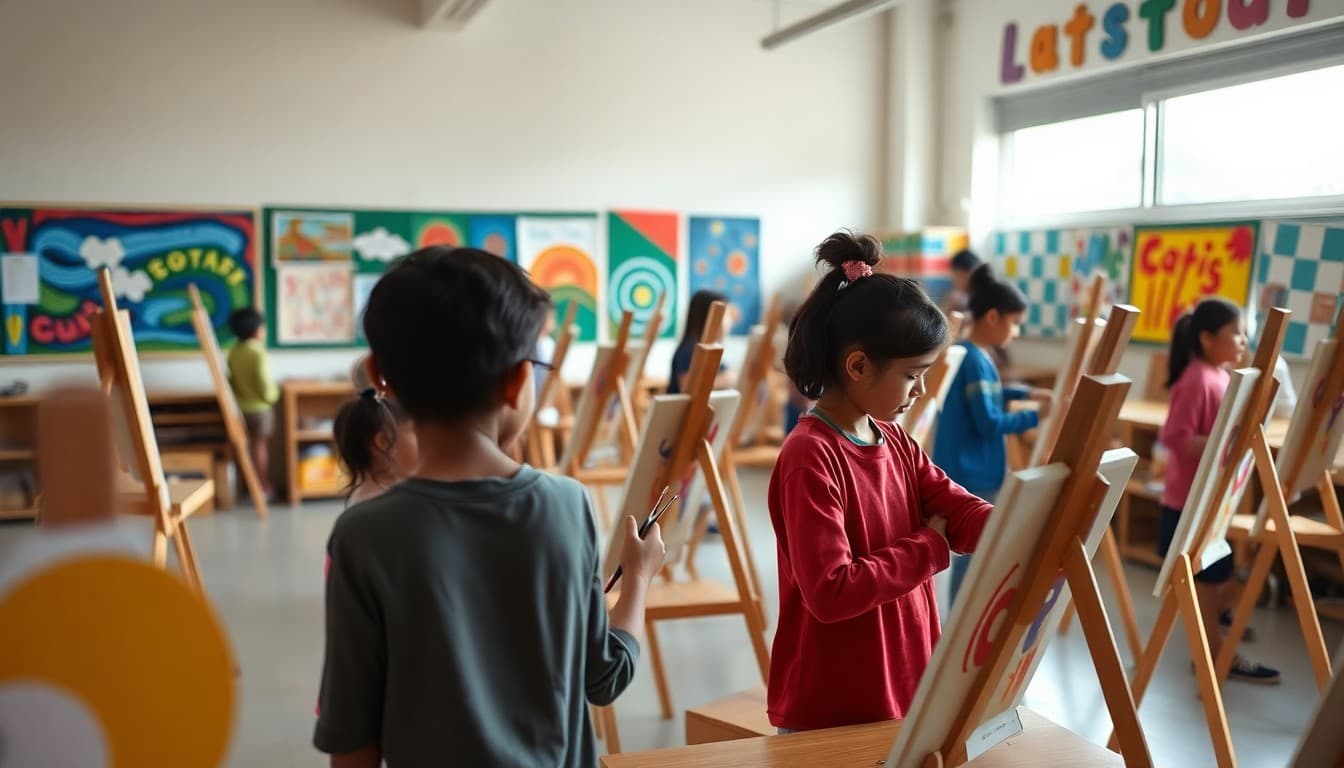
A curriculum newsletter is more engaging when it includes evidence of what students are creating. Describe a recent performance, exhibition, or project. Mention the school, the grade level, and what the students produced. A third-grade class that created illustrated books, a middle school choir that performed at a regional festival, or a high school student whose painting was selected for a district exhibit all provide the concrete examples that make the newsletter memorable.
Share What the Updated Curriculum Includes
If your district has updated its arts curriculum or adopted new materials, describe the changes. What standards are the new courses aligned to? What skills progression does the updated curriculum build? A specific example of how a unit has changed helps families understand the improvement: "Students in our updated music curriculum now compose original pieces using notation software beginning in fourth grade, rather than waiting until middle school."
Address Integration With Other Subjects
Many districts are now intentionally integrating arts with core academic subjects. STEAM models, arts integration projects, and interdisciplinary units that connect visual art to social studies or music to math are worth describing. These connections help families see arts education as part of, not separate from, the academic program their children are experiencing.
A Template Statement on Arts Program Commitment
"Every student in our district has access to arts instruction from kindergarten through high school. This is not incidental. Decades of research and our own student outcome data show that students who participate in arts programs attend school more consistently, develop stronger collaborative skills, and graduate at higher rates. We are committed to protecting and expanding these programs because the evidence says they work."
Highlight Staff and Upcoming Events
Name the arts teachers or department chairs who lead the work. Recognize any recent professional development or certifications the arts staff have completed. Include upcoming performances, exhibitions, or student showcases with dates and locations. These details make the newsletter actionable and give families a reason to engage.
Invite Community Support
Arts programs often benefit from community partnerships, volunteers, and donor support. Close your newsletter with an invitation for families and community members to get involved, whether by attending student performances, supporting a booster organization, or connecting the district with local arts organizations. Building community investment in arts education is both the purpose of the newsletter and the best protection for the programs it describes.
Get one newsletter idea every week.
Free. For teachers. No spam.
Frequently asked questions
Why should a district proactively communicate about arts education?
Arts programs are frequently targeted during budget discussions, and families who do not know what arts instruction their children are receiving cannot advocate for it. Proactive communication about arts education, the programs available, the learning outcomes, and the investment the district has made, builds the community support that protects these programs when budgets tighten.
What evidence supports arts education that belongs in a curriculum newsletter?
Research consistently links arts participation to stronger attendance, higher graduation rates, improved academic performance, and better social-emotional outcomes. The National Endowment for the Arts and the Arts Education Partnership have published extensive research. One or two specific, credible findings are more persuasive than a general claim that arts education is valuable.
How do you communicate arts program changes to families who are worried about cuts?
Be specific about what is changing and what is not. If programs are being consolidated or staff is being reduced, acknowledge it and explain the reasoning. If new opportunities are being added, describe them in detail. Families who have had negative experiences with arts program cuts in the past will not trust vague reassurances. Specific details and clear commitments do more work than optimistic framing.
What arts disciplines should a district newsletter cover?
Mention all four primary arts disciplines: visual art, music, theater, and dance. Also include any specialized programs such as film production, digital arts, orchestra, band, choir, or musical theater. Families whose children participate in specific programs want to see them acknowledged, and families who are not aware of all available options may discover new opportunities through the newsletter.
How can Daystage help communicate arts education updates?
Daystage makes it easy to build visually rich newsletters that include student artwork, performance photos, and embedded video clips. District curriculum directors can send arts updates to all school communities at once and track engagement by school.

Adi Ackerman
Author
Adi Ackerman is a former classroom teacher and curriculum writer with 8 years in K-8 schools. She writes about school communication, parent engagement, and what actually works in real classrooms.
More for District
Ready to send your first newsletter?
3 newsletters free. No credit card. First one ready in under 5 minutes.
Get started free