
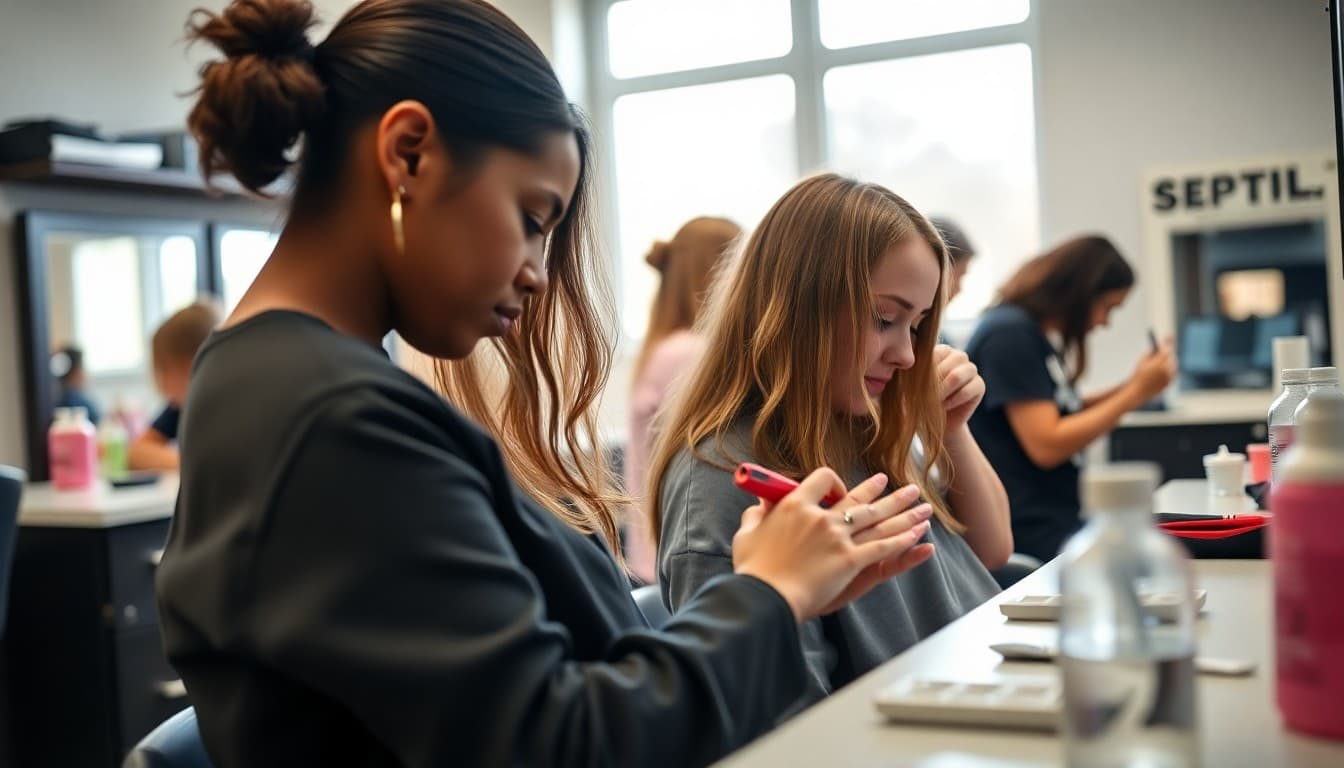
Cosmetology Class Newsletter: Beauty Skills and Licensing
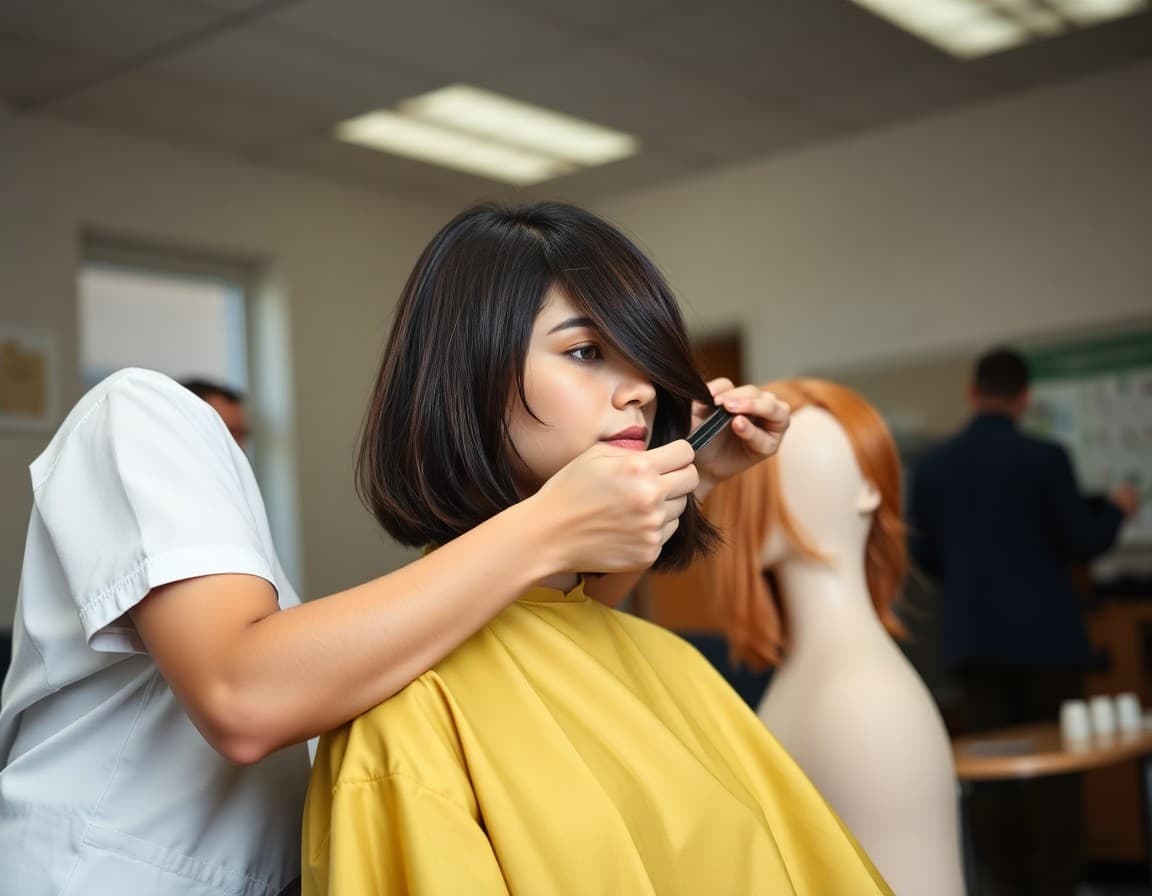
Cosmetology programs are among the most clearly outcome-oriented courses in the high school curriculum. Students graduate with an industry license, real service skills, and immediate employability. The newsletter should communicate that pathway clearly to families throughout the program.
Clock Hour Tracking
Clock hours are the central metric of a cosmetology program and should be reported in every newsletter: "Class average clock hours as of October 31: 312 of 1,500 required hours. Students on track to complete hour requirements by June 12, allowing time for state board preparation before the summer exam window." This simple update tells families exactly where their child stands on the most important metric in the program.
Current Skills Being Practiced
Each newsletter should describe what service and theory content students are working on this month. This helps families understand the progression and gives them context for what their child might practice at home: "This month we are in chemical services. Students are practicing relaxer applications on mannequins and studying the chemical processes involved in permanently altering hair structure. The theory exam has significant content on this topic. State board practical exams do not test chemical applications directly but the theory is tested thoroughly."
Template Excerpt: Cosmetology Monthly Newsletter
Salon Arts Program - November Update
Month three of the program and students are starting to look like cosmetologists. The difference in their handling of tools and their confidence at the mannequin station is visible every week. This is a program that compounds: skills built in week one make week eight easier, and week eight will make the state board exam feel manageable rather than overwhelming.
Clock hours: Class average 298 hours. State requirement: 1,500. Target completion: June 2028.
Skills this month: Chemical texture services: permanent waving. Students completed the theory unit (two written quizzes, class average 87%) and are now on their third mannequin rod wrap. The goal is consistent rod placement and timing before we move to thermal services in December.
Community clinic day: November 16 from 10 AM to 2 PM. The school salon is open to community members for shampoo, blow dry, and basic haircut services under instructor supervision. No charge. Sign-up at the front office. Four appointments available.
State board prep: We begin dedicated state board preparation in January. Students in the second year of the program should be reviewing their theory workbooks now. The written exam has 100 questions covering 8 categories. We will run a practice exam in December to identify individual focus areas.
Sanitation and Safety Standards
Cosmetology programs operate under strict state board sanitation standards. A brief section in the newsletter explaining these standards builds family confidence in the professionalism of the program: "Students are trained to state board sanitation standards from day one. All implements are sanitized between every use using hospital-grade disinfectant. Chemical mixing follows manufacturer safety data sheet protocols. Students who do not follow sanitation procedures are not permitted to perform services until the standard is met. These are the same requirements licensed professionals follow in real salons."
Career Pathways and Earning Potential
The beauty industry offers multiple career tracks beyond salon work. The newsletter should cover the range: booth rental in a salon, salon employee on commission, salon management, esthetics (requires separate license in most states), nail technology, makeup artistry for film and theater, cosmetology education. Entry-level salon positions in most markets pay $12 to $18 per hour plus tips. Experienced stylists with loyal clientele often exceed $50,000 annually. Salon owners who manage staff can earn significantly more. A student who completes the program and passes the state board exam has a real credential and real options.
Get one newsletter idea every week.
Free. For teachers. No spam.
Frequently asked questions
What should a cosmetology class newsletter include?
Clock hour progress toward state licensure requirements, state board exam preparation timeline, skills being practiced this month, any public salon service events the class is running, cosmetology and esthetics competition updates if applicable, and career pathway information including licensure requirements and entry-level wage expectations in the beauty industry.
How do clock hours work and how should this be communicated to families?
Most states require 1,000 to 1,500 clock hours of approved cosmetology training before a student can sit for the state licensing exam. Hours are tracked precisely and must be completed before any other graduation requirement. The newsletter should include a simple clock hour tracker showing where the class average stands relative to the state requirement so families can monitor progress.
What can families do to support cosmetology students at home?
Families can let their child practice techniques at home on family members who are willing. Providing a mannequin head for home practice is an investment that significantly accelerates skill development. Reviewing state board practical exam requirements together, watching online videos of the skills being tested, and quizzing their child on the theory content are all meaningful home support strategies.
What state board exams do cosmetology students take?
Most states require both a written theory exam and a practical skills examination for cosmetology licensure. The theory exam covers cosmetology science, safety and sanitation, chemical services, and state regulations. The practical exam tests specific timed skills like haircut, thermal styling, and chemical services. The newsletter should clearly explain both components and when preparation for each begins.
Can Daystage produce cosmetology program newsletters that feature student work?
Yes. A cosmetology newsletter featuring photos of student services, color work, or nail art creates a compelling visual portfolio of the program's quality. Daystage's photo gallery blocks let you display multiple service photos with captions in a clean layout. With family permission, before-and-after photos of student services are particularly engaging for families and the broader school community.

Adi Ackerman
Author
Adi Ackerman is a former classroom teacher and curriculum writer with 8 years in K-8 schools. She writes about school communication, parent engagement, and what actually works in real classrooms.
More for Department Newsletters
Art Department Newsletter Guide: Sharing Student Work and Program Goals with Families
Department Newsletters · 5 min read
Counseling Department Newsletter: What to Include and How to Write It
Department Newsletters · 6 min read
Math Department Newsletter Guide for K-12 Schools
Department Newsletters · 6 min read
Ready to send your first newsletter?
3 newsletters free. No credit card. First one ready in under 5 minutes.
Get started free