
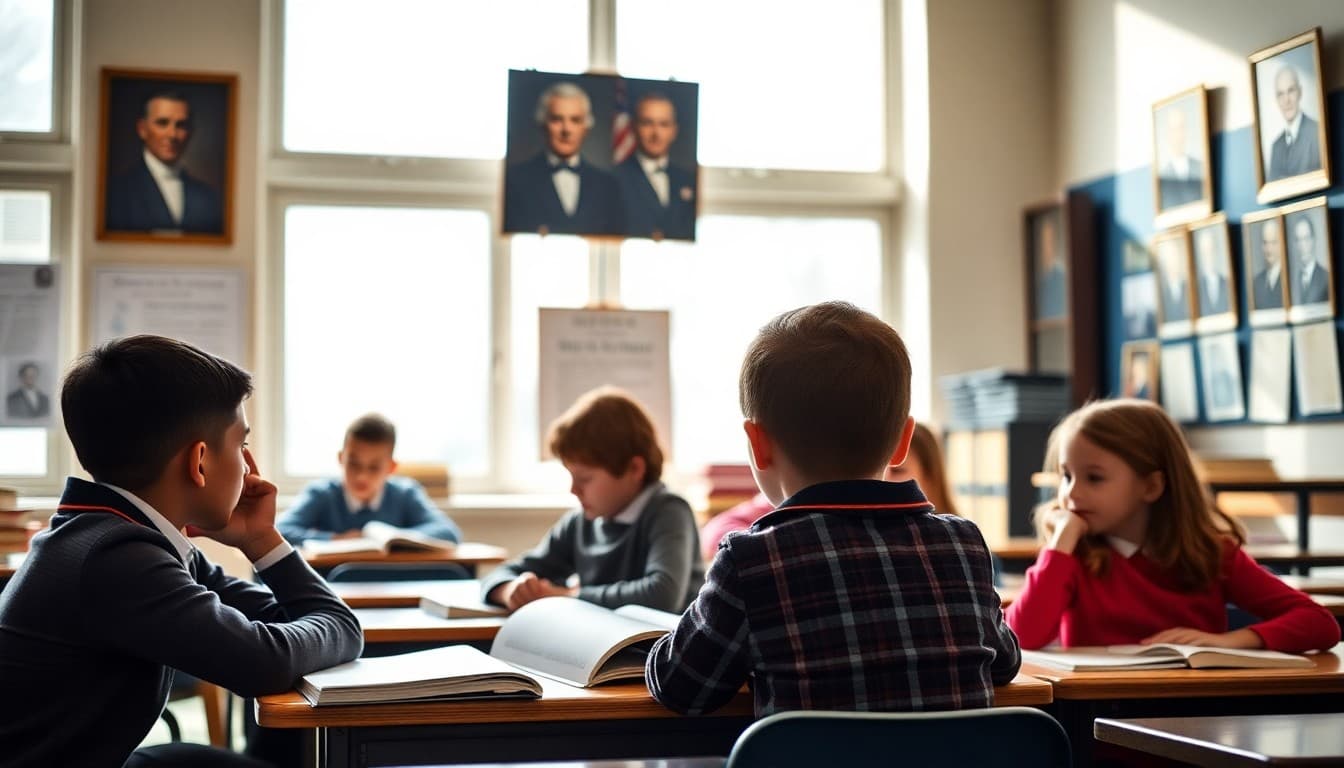
School Newsletter for Presidents' Day: Ideas and Template
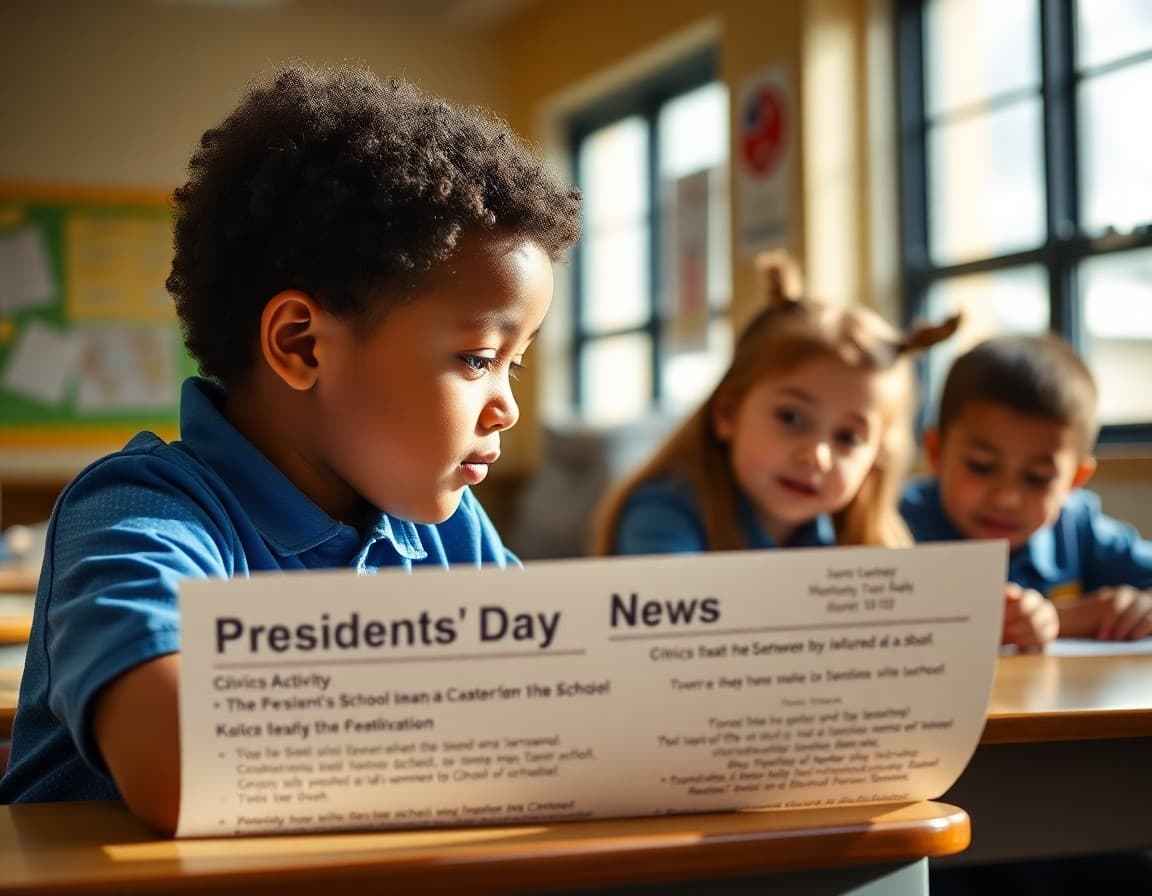
Presidents' Day is one of the more overlooked federal holidays in the school newsletter calendar. It falls in the middle of February, sandwiched between Valentine's Day excitement and spring testing season anxiety. But the holiday has genuine curriculum connections to civics, history, and government -- and a newsletter that does more than note the schedule change can make it educational for families who otherwise might not think twice about the day off.
What the Holiday Actually Is
The official federal holiday name is Washington's Birthday, established in 1885 to honor the first president. The Uniform Monday Holiday Act of 1971 moved the observance to the third Monday in February, splitting the difference between Washington's birthday (February 22) and Lincoln's (February 12). Many states expanded the holiday's scope to honor all presidents or multiple presidents, and the colloquial name "Presidents' Day" stuck. Some states still formally observe it as Washington's Birthday. Using the name your district calendar uses in the newsletter avoids confusion.
Schedule Information Families Need
For most districts, the newsletter's most important Presidents' Day content is the schedule. Is school closed? If yes, what are the exact dates? Are there any before- or after-school care changes? Does the school reopen on Tuesday or Wednesday? State this information at the top of the newsletter in plain terms. Families who have already planned the long weekend do not need an extended civics lesson -- they need to know when to drop their kids off.
Connecting to What Students Are Studying
Tell families what the Presidents' Day curriculum looks like in your classroom. For younger students, it might be a read-aloud about George Washington or Abraham Lincoln. For older students, it might be a comparison of presidential leadership during wartime, an analysis of the Electoral College, or a research project on a lesser-known president. Specific content gives families a point of entry for a home conversation. "What surprised you about Lincoln's presidency?" is a better prompt than "Did you learn anything today?"
Template Section: Presidents' Day Civics Connection
Here is a newsletter section connecting the holiday to classroom learning:
"Presidents' Day: Schools are closed Monday, February 16. This week in class we are exploring the constitutional powers of the U.S. president and how those powers have been tested in different historical periods. Students are researching one presidential decision -- from the Louisiana Purchase to the Emancipation Proclamation to the Marshall Plan -- and presenting their findings to the class this Friday. Ask your student: which presidential decision do they think changed history the most?"
Presidential Facts Worth Sharing
A few specific, interesting facts make the holiday feel less generic in the newsletter. Some options: eight U.S. presidents were born in Virginia, more than any other state. Grover Cleveland is the only president to serve two non-consecutive terms -- he was both the 22nd and 24th president. James Madison, at 5'4", was the shortest president. William Howard Taft, at 6'2" and over 300 pounds, was the largest. John F. Kennedy was the youngest person elected president at 43; Theodore Roosevelt was the youngest to hold the office at 42 after McKinley's assassination. These facts work as a sidebar or a "Did You Know" section that students read and repeat at home.
Family Activity Ideas
Give families something concrete for the long weekend. The simplest option: ask your student to name five presidents and tell you one thing about each. A moderate option: visit a presidential museum website or the White House Historical Association's site for age-appropriate content. A more involved option: read one chapter of a presidential biography together and discuss it. For families with older students, watching a presidential documentary on a streaming service is a low-effort way to spend part of the Monday off in a way that connects to what students are studying.
Looking Ahead to March
Presidents' Day falls in the middle of February, which makes it a natural point to preview March. Include spring testing reminders if WY-TOPP, PARCC, SBAC, or state-specific assessments fall in March. Note any upcoming parent-teacher conference windows. If spring sports sign-ups are opening, include the deadline. The Presidents' Day newsletter is a better vehicle for this March preview than a separate March newsletter sent too close to the events, because families have a long weekend to process the information and put dates in the calendar.
Get one newsletter idea every week.
Free. For teachers. No spam.
Frequently asked questions
When is Presidents' Day and how should the newsletter reflect the schedule?
Presidents' Day is the third Monday in February and is a federal holiday. Most schools are closed. The newsletter should confirm whether school is in session, and if not, state the exact dates school is closed and when it resumes. Some states have different holiday names -- Washington's Birthday is the official federal name -- so use whatever name your district calendar uses.
What is the history of Presidents' Day that is worth sharing with families?
The holiday originated as Washington's Birthday, a federal holiday since 1885. The Uniform Monday Holiday Act of 1971 moved it to the third Monday in February, placing it between Washington's actual birthday (February 22) and Lincoln's (February 12). Many states use the day to honor all U.S. presidents or multiple presidents. The popular name 'Presidents' Day' is unofficial but widely used. Sharing this context with families adds substance to what might otherwise be a routine schedule notice.
How do I connect Presidents' Day to civics curriculum in the newsletter?
Presidents' Day connects to civics standards at every grade level. For K-2, focus on the roles and responsibilities of the president. For grades 3-5, compare the leadership styles of Washington, Lincoln, and a modern president. For middle school, address the constitutional powers of the executive branch. For high school, explore presidential decision-making in historical crises. The newsletter can preview whichever angle the classroom is covering.
What family activities work for Presidents' Day weekend?
Families can visit a local presidential museum or historic site if one exists in the area. Many libraries run Presidents' Day programming. At home, families can watch a presidential documentary appropriate for the student's age, read a biography of a president the student does not know well, or research which presidents are represented on U.S. currency and why they were chosen.
Can Daystage help send a Presidents' Day newsletter that looks professional without a communications team?
Yes. Teachers in small schools without communications support use Daystage to send holiday newsletters that look polished and organized. The template system means the Presidents' Day newsletter takes about 15 minutes to write and send once the structure is set up the first time.

Adi Ackerman
Author
Adi Ackerman is a former classroom teacher and curriculum writer with 8 years in K-8 schools. She writes about school communication, parent engagement, and what actually works in real classrooms.
More for School Culture
Ready to send your first newsletter?
3 newsletters free. No credit card. First one ready in under 5 minutes.
Get started free