
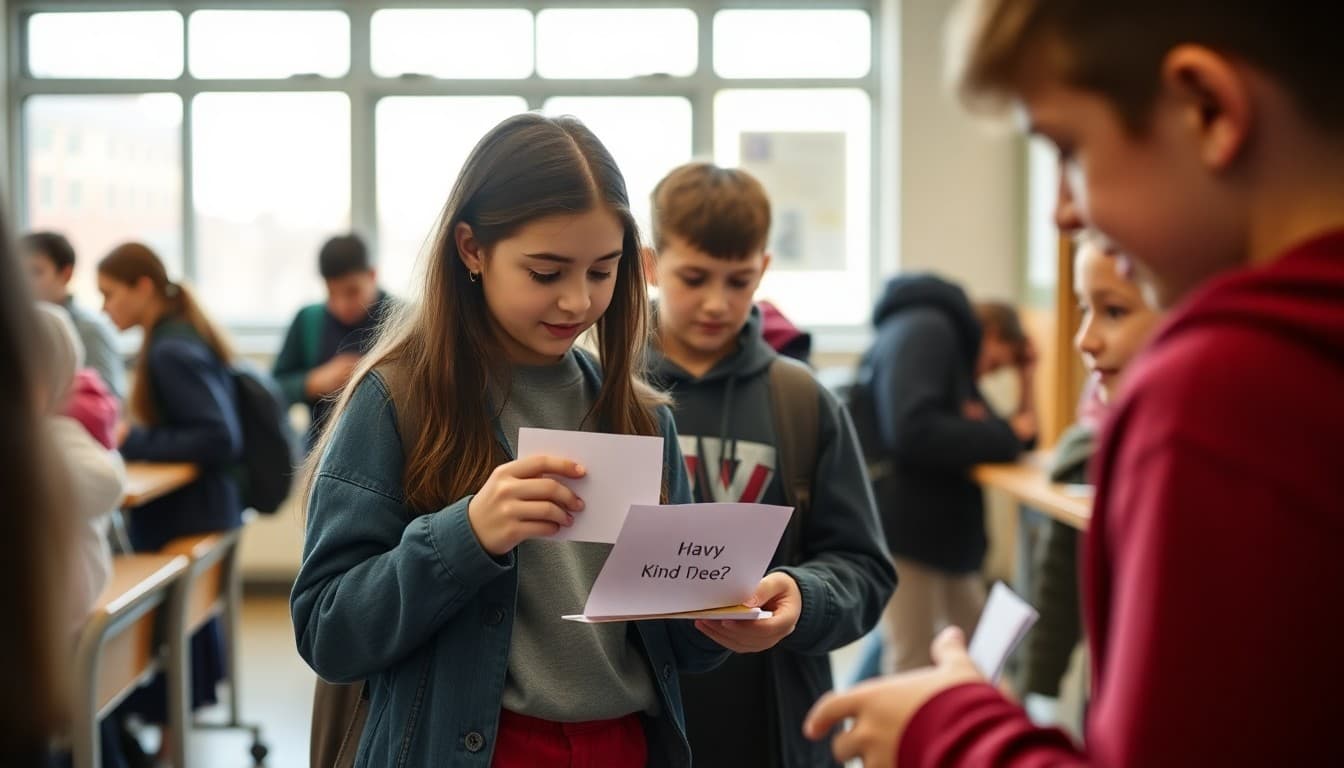
School Kindness Campaign Newsletter: Random Acts of Kindness
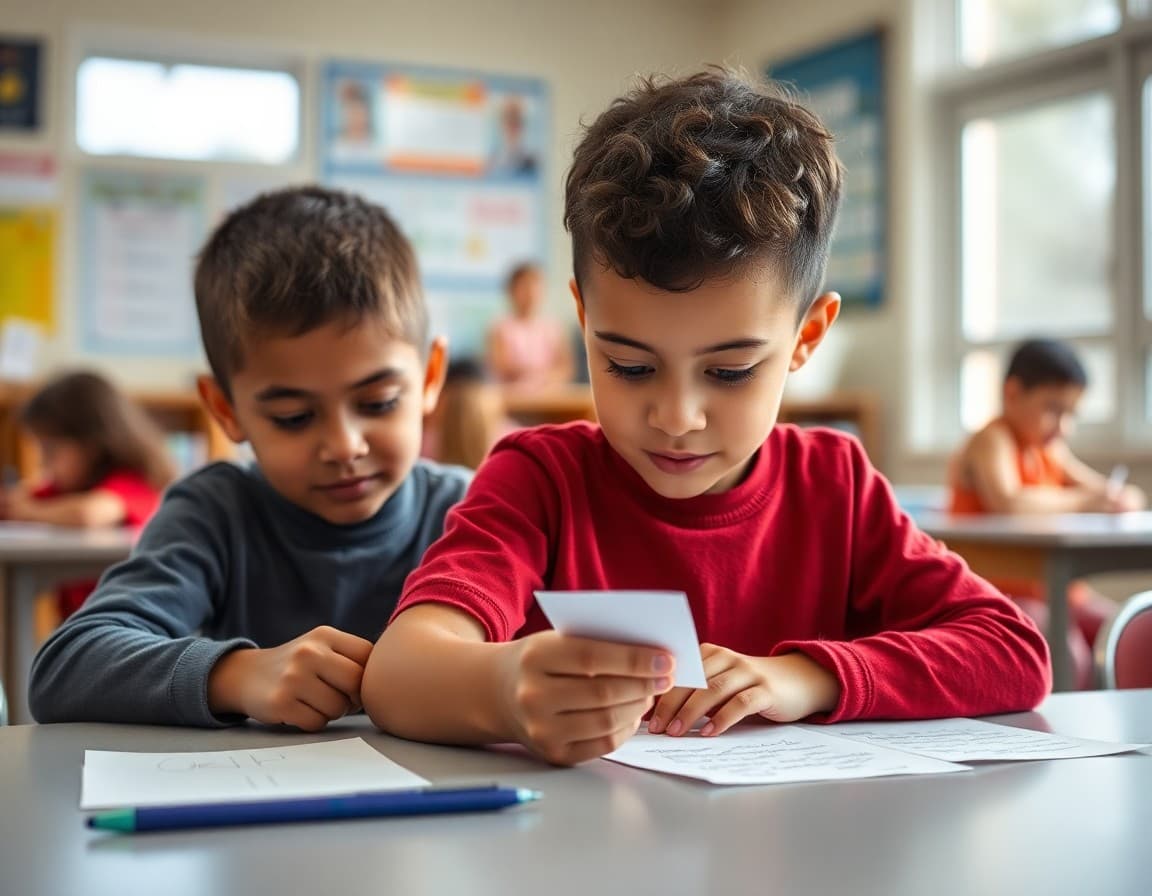
Kindness campaigns work when they are specific, when they are connected to real social dynamics in the school, and when both school and home are participating at the same time. The newsletter is the mechanism for that alignment. It is not enough to tell students to be kind at school and send nothing home. The campaign that families know about and support lands differently than the one they hear about vaguely from their child at dinner.
Launch with specific acts, not abstract values
"This week's kindness challenge includes five specific acts: write an appreciation note to a classmate, invite someone new to your lunch table, thank a staff member by name for something specific, leave an encouraging note for a sibling at home, and hold a door for someone without expecting acknowledgment."
That list of five acts is more useful than asking students to "be kind." It gives them something to do, check off, and feel good about. It also gives families specific things to ask about at the end of the day.
Target the school's actual social dynamics
The most effective kindness campaigns address something real in the school's social landscape. If your school has a visible lunchroom isolation pattern, design campaign acts around inclusion at lunch. If there is tension between grade levels, design acts that cross that divide. The newsletter can acknowledge the specific area of focus without naming it as a problem: "This week we are especially focusing on making sure everyone feels connected and welcome, particularly at lunch and during free periods."
Give families parallel activities
A kindness campaign that only happens at school is a school climate program. A kindness campaign that extends into family life is a culture shift. Give families their own version of the challenge in the newsletter:
- Write an appreciation note to a neighbor
- Thank someone in a service role who often goes unnoticed
- Do one household task that is someone else's job without being asked
- Send an unexpected encouraging text to a friend
When families participate alongside students, the conversations that happen around the dinner table reinforce the lesson far more effectively than any classroom activity can alone.
Create a visible tracking mechanism families can see
When students log kindness acts and a school-wide total is shared in newsletters and on hallway displays, the campaign takes on collective momentum. "We are at 847 logged kindness acts on day three of our five-day challenge. Our goal is 1,500 by Friday." Progress visibility creates investment in the outcome.
Template: kindness campaign launch newsletter
"Jefferson Elementary's Kindness Challenge begins Monday, February 10. For one week, every student will have five kindness missions to complete at school: write a note of appreciation, invite someone new to join your group, thank a staff member for something specific, help someone who looks overwhelmed, and notice something good about a day that feels hard. All acts go on the kindness log in your classroom. Our school-wide goal is 2,000 acts in five days. At home this week, try one kindness act of your own and tell your student about it. That conversation is the best part of the campaign."
Share real student stories in the mid-campaign update
A brief mid-campaign update on day three or four maintains momentum and shares stories that make the campaign feel real rather than administrative. "Third-grader Mia wrote 12 appreciation notes to classmates she noticed rarely got recognized. Her teacher said the classroom felt different by Wednesday afternoon." That story does more for the campaign than a progress percentage.
Close with an honest reflection on what changed
The post-campaign newsletter should be honest about whether the week changed anything measurable: "Disciplinary incidents this week were 40% below our November average. Lunch observation showed fewer students eating alone than in January. We logged 2,143 kindness acts." Those numbers are not the goal. The goal is a school where kindness is the default. This week was practice.
Get one newsletter idea every week.
Free. For teachers. No spam.
Frequently asked questions
What should a school kindness campaign newsletter include?
Name the campaign, explain the goal and dates, and describe the specific activities students will participate in. Give families a parallel set of kindness activities they can do at home during the same period. Include the connection to the school's broader climate goals so the campaign feels like part of a larger commitment rather than a single week of activities. If students can earn kindness points or participate in a kindness challenge, explain the mechanics.
How do you prevent a kindness campaign from feeling superficial?
The campaigns that stick are connected to real social dynamics the school is addressing. 'This week we are specifically asking students to notice someone sitting alone and invite them to join a group' is more meaningful than 'commit random acts of kindness.' Specific, targeted acts that address real patterns in your school's social life do more for school climate than generic kindness messaging.
How do you extend the kindness campaign into family life through the newsletter?
Give families their own kindness challenge, parallel to what students are doing at school. If students are writing appreciation notes to classmates, invite families to write appreciation notes to neighbors or colleagues. The newsletter that connects school and home creates a campaign that students experience on two fronts simultaneously, which reinforces the message more effectively.
How do you report kindness campaign results in a follow-up newsletter?
Quantify what you can: number of kindness acts logged, number of kindness notes written, number of classrooms that completed the full challenge. Include a student quote about an unexpected kindness they experienced or performed. If the campaign generated any visible community impact, describe it. Numbers and stories together make the recap feel real.
How does Daystage help with kindness campaign communication?
Daystage lets you build a kindness campaign series: a launch newsletter with the campaign details and family activities, a mid-week update with observations and encouragement, and a post-campaign wrap-up with results and student stories. The consistent visual design across all three newsletters reinforces the campaign's identity as a school-wide initiative.

Adi Ackerman
Author
Adi Ackerman is a former classroom teacher and curriculum writer with 8 years in K-8 schools. She writes about school communication, parent engagement, and what actually works in real classrooms.
More for School Culture
Ready to send your first newsletter?
3 newsletters free. No credit card. First one ready in under 5 minutes.
Get started free