
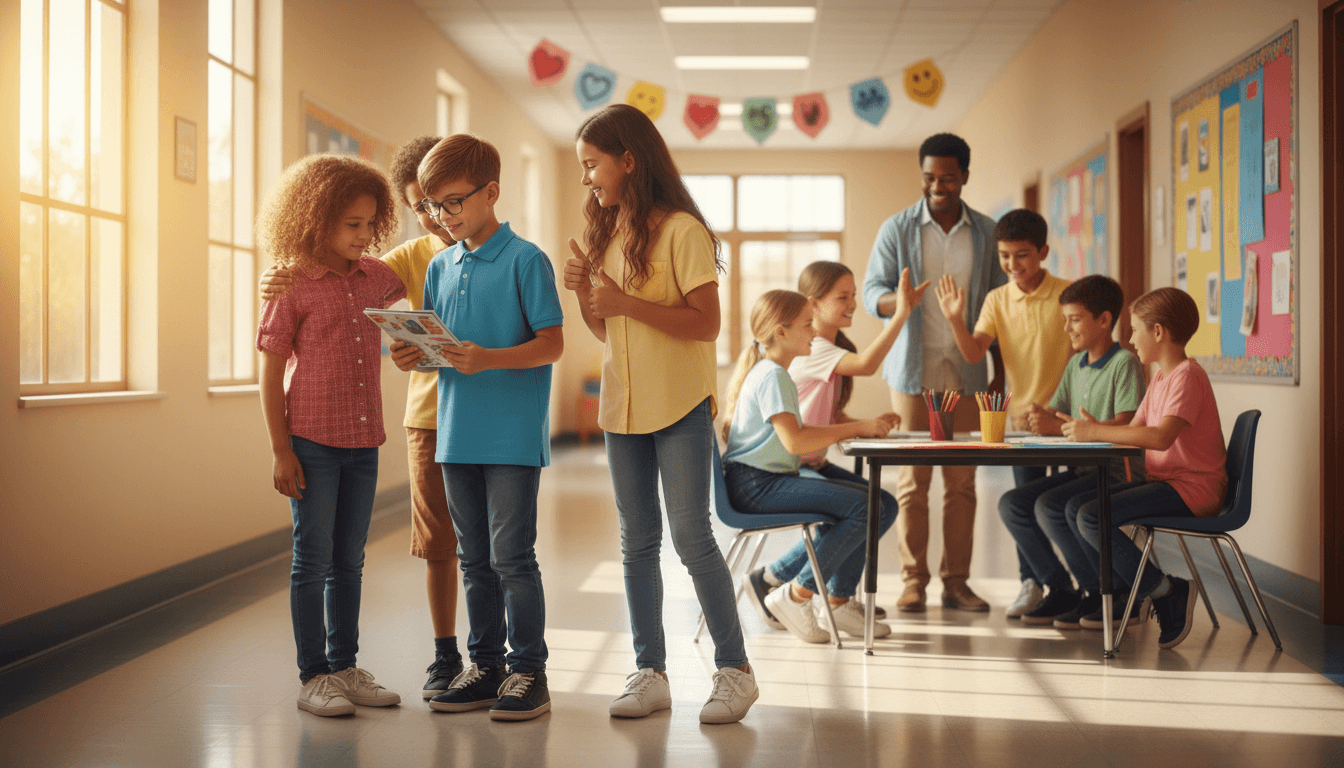
Building Empathy Culture Through Your School Newsletter
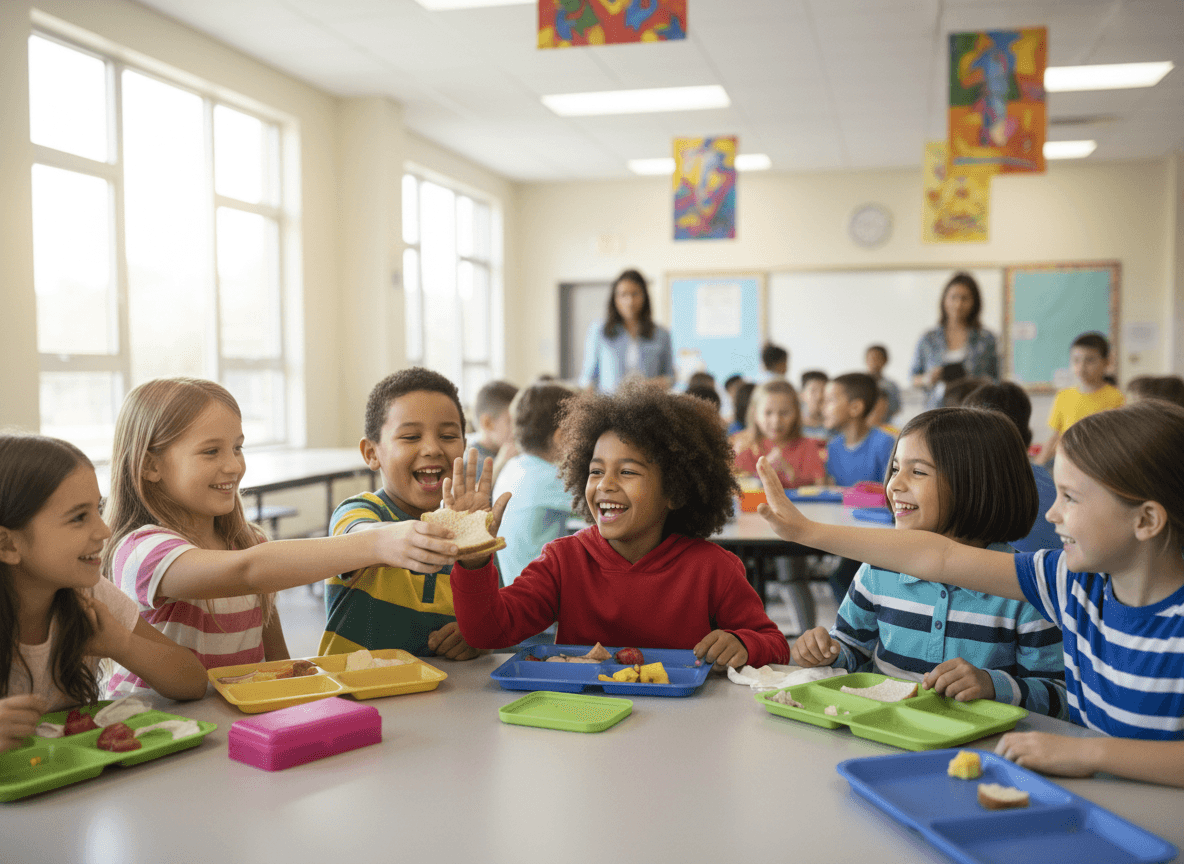
Empathy is not a soft skill. It is a foundational one. Students who can accurately read how others are feeling and respond with care are more effective collaborators, leaders, and community members than students who cannot. Schools that build empathy culture as seriously as they build academic skill produce graduates who are better equipped for both work and life.
The newsletter is where empathy culture becomes visible to families and where the school models the skill it is trying to teach.
Model Empathy in Your Newsletter Writing
The tone of the newsletter itself communicates something about the school's empathy culture. A newsletter that acknowledges that school is hard sometimes, that families are juggling many pressures, and that students are doing their best in conditions that are not always easy models the kind of perspective-taking that empathy requires.
This is not about being soft or avoiding difficult information. It is about writing to a specific audience with genuine awareness of their experience. That is empathy applied to communication.
Share Specific Empathy Stories
A monthly section featuring one act of empathy from the school week builds cultural norms around noticing and responding to others' experience. These stories should be specific: who, what, and why it mattered.
"After a classmate broke down during a presentation in Mr. Fisher's class, three students quietly moved their chairs closer. They said later they did not plan it. They just noticed she seemed alone." That is a brief story that teaches more about empathy than a definition would.
Teach Empathy Vocabulary to Families
Schools often teach a specific vocabulary for empathy: perspective-taking, active listening, naming emotions, checking understanding. When the newsletter shares this vocabulary with families, the language travels home and students hear it in both environments.
"We teach students to ask 'What do you think they were feeling when that happened?' rather than 'What happened?' That shift moves kids from reporting events to thinking about the experience of the people in them." That is a teachable vocabulary move families can use.
Connect Empathy to Academic Performance
Some families see social-emotional skills as separate from and less important than academic ones. The newsletter is the right place to make the connection explicit. Empathetic students are more effective participants in collaborative assignments. They read literature with greater depth. They engage in historical inquiry with more nuance.
"Students who practice perspective-taking regularly score higher on reading comprehension assessments that involve interpreting character motivation. This is not a coincidence. Empathy is a cognitive skill as much as an emotional one."
Acknowledge Community Moments That Call for Empathy
When something hard happens in the school community or the wider world, the newsletter can model the empathetic response: acknowledging the pain, naming what students might be feeling, and describing what the school is doing to support them.
These moments are when the school's empathy culture is either proven or exposed. Newsletters that address community pain directly and caringly are evidence of the culture. Newsletters that stay silent are evidence of its absence.
Get one newsletter idea every week.
Free. For teachers. No spam.
Frequently asked questions
What does empathy look like as a school culture priority?
Empathy as a culture priority means the school actively teaches and recognizes the ability to understand another person's perspective and respond to it with care. It shows up in how teachers model listening, how students are taught to respond to peers in distress, how conflicts are mediated, and how the school communicates about its own community. It is not a unit or a week. It is a sustained orientation.
How do you build empathy culture through a newsletter?
Model it in the writing itself, share stories of empathy in action, name the skill explicitly and explain how students are developing it, and offer prompts that help families practice empathy at home. A newsletter written with genuine care for its readers is itself an act of empathy. The tone models what the school is trying to teach.
How do you measure and report empathy development?
Use student survey data asking about how safe students feel to share with peers, rates of peer conflict resolution versus adult intervention, and direct questions about whether students feel their classmates care about them. These are imperfect but useful indicators. Sharing trends from these surveys in the newsletter makes the empathy work feel rigorous rather than soft.
What are examples of empathy stories worth sharing in the newsletter?
A student who noticed a peer was struggling before a teacher did and said something. A class that collectively decided to slow down a project when one classmate was sick so they could include her. A student who wrote a letter to a classmate who lost a grandparent. These specific acts show families what empathy looks like in practice rather than leaving it as a concept.
How does Daystage support empathy-focused communication?
Daystage helps school teams maintain newsletters that carry genuine warmth and specificity, which is itself a form of empathetic communication. Schools use it to send consistent, caring newsletters that model the kind of attentiveness they are trying to build in students.

Adi Ackerman
Author
Adi Ackerman is a former classroom teacher and curriculum writer with 8 years in K-8 schools. She writes about school communication, parent engagement, and what actually works in real classrooms.
More for School Culture
Ready to send your first newsletter?
3 newsletters free. No credit card. First one ready in under 5 minutes.
Get started free