
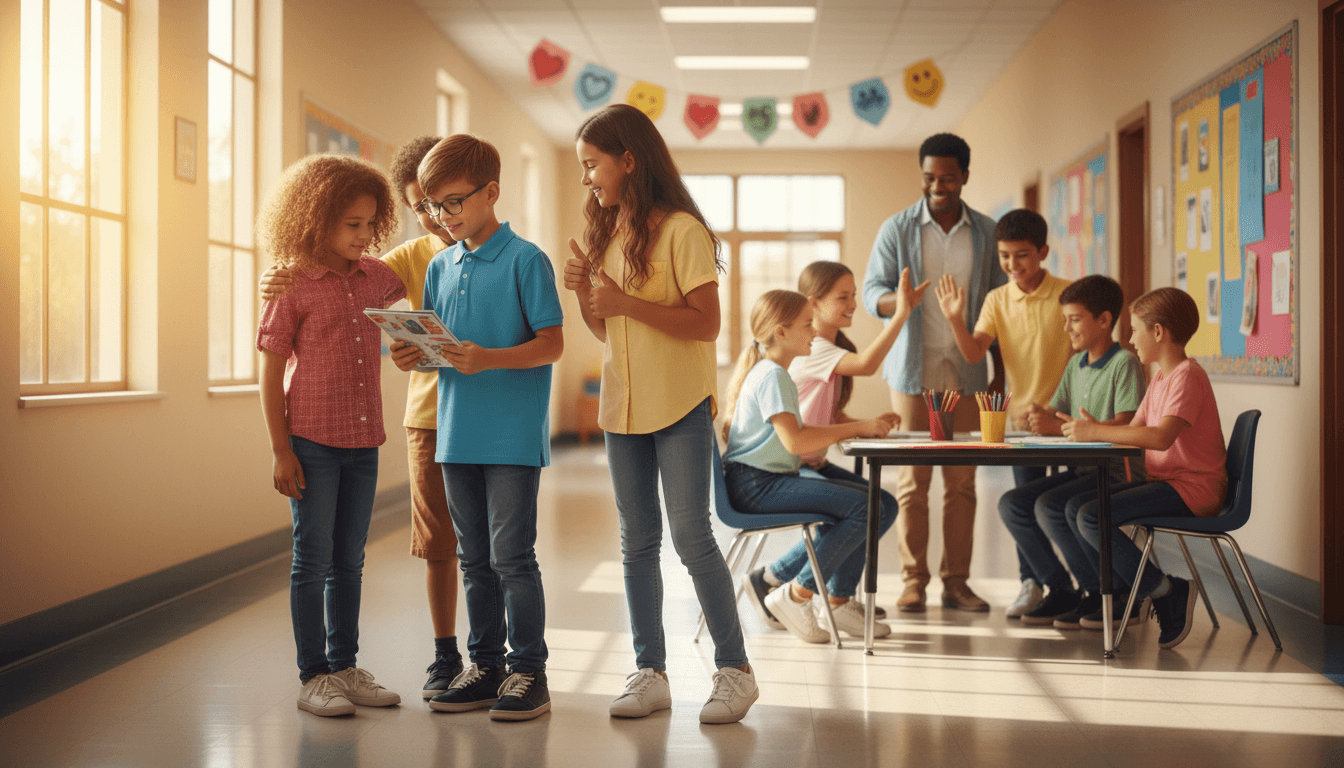
Communicating Random Acts of Kindness Programs in Your School Newsletter
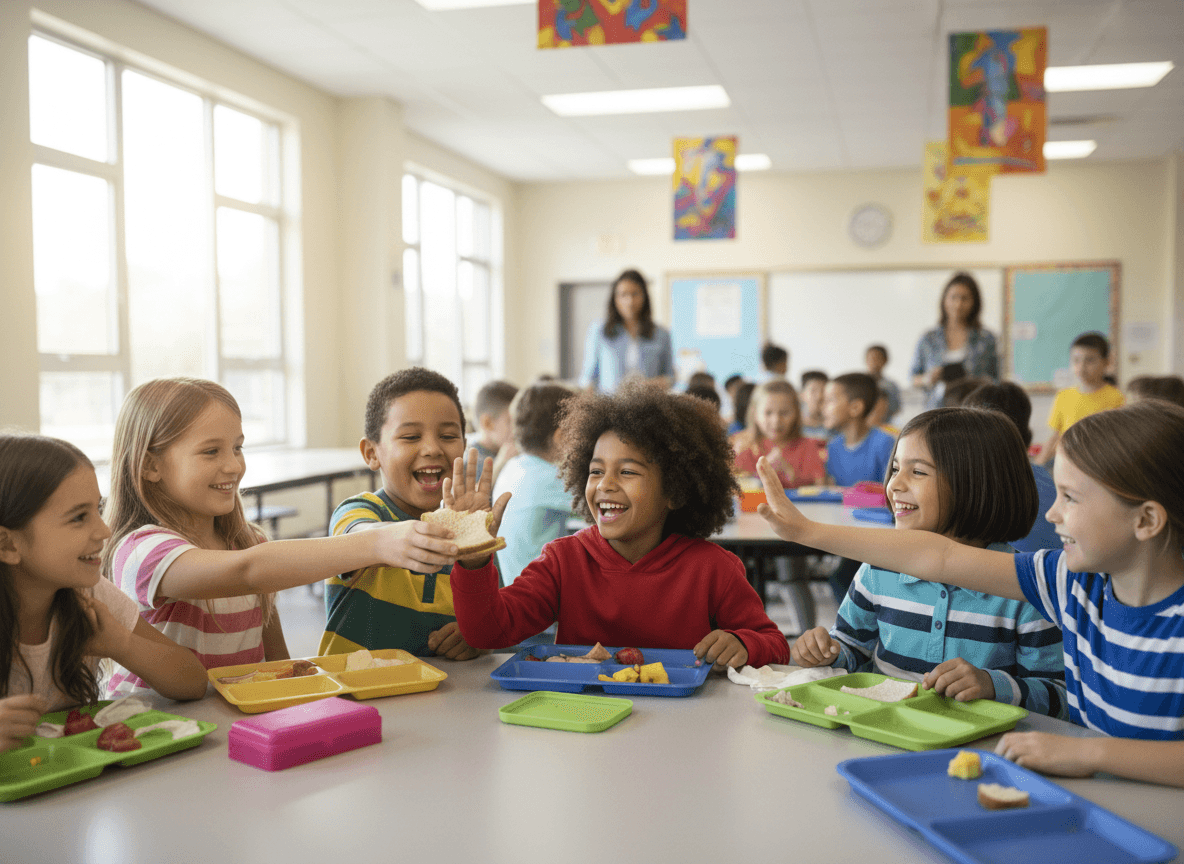
Kindness programs in schools are everywhere. Kindness weeks, kindness trees where students hang paper hearts, kindness challenges on the morning announcements. Many of them produce a temporary uptick in visible kind behaviors followed by a return to the baseline school culture once the designated period ends.
The programs that produce lasting cultural change communicate differently. They treat kindness not as a campaign but as an ongoing, recognized, and celebrated aspect of how the school community operates. And they communicate that culture to families in ways that extend it beyond the school walls.
Lead with specific stories, not program descriptions
The most powerful kindness communication is a specific story about a specific act of kindness in your school. A third grader who helped a new student find her classroom without being asked. A seventh grader who used his own lunch money to pay for a classmate whose account was empty. A teacher who stayed after school to help a student practice a speech because the student was terrified of presenting.
These stories teach more about school culture than any program description because they show what the values look like in action. Families who read them feel proud of the community their children belong to. Students who read them understand what the school recognizes and celebrates.
Describe how kindness is recognized in your school
Tell families how students and staff are recognized for acts of kindness. Is there a kindness wall where students can nominate others? A teacher who specifically calls out kind behaviors in morning meeting? An end-of-week celebration? A place in the newsletter where family shout-outs are published?
Describing the recognition structures tells families both that the school takes kindness seriously and how they can participate in reinforcing it. A family who knows about the kindness nomination process can encourage their child to nominate a classmate. A family who knows about the newsletter shout-out can submit one.
Give families tools for kindness at home
Extend the program into home life with specific suggestions. Not "encourage your child to be kind" but a small set of concrete practices: a dinner question, a family kindness challenge for the month, a way to recognize family members' kindnesses in a brief end-of-day ritual.
Families who receive these tools and try them often report that the conversation they had at dinner was different from the usual homework and logistics talk. Those differences accumulate. A school that gives families tools for reinforcing school values at home builds a much stronger culture than one that treats school culture as a school problem.
Connect kindness to social-emotional learning explicitly
Random acts of kindness are not separate from the social-emotional learning curriculum many schools use. They are lived examples of empathy, perspective-taking, social awareness, and responsible decision-making. When a school's newsletter connects a kindness story to the specific SEL competency it demonstrates, it helps families understand why the school invests in this work.
"When Maya noticed her classmate was having a hard day and quietly moved her seat closer and offered to share her snack, she was demonstrating the kind of social awareness and empathy we actively teach in our advisory program" makes the curriculum visible through a real student story.
Make kindness a year-round communication, not a week-long event
The most lasting message a kindness communication can send is that this is not a special event. Kindness stories should appear in every newsletter. Kindness recognition should be visible throughout the year, not just during kindness week. Families who see kindness valued and celebrated consistently come to understand that it is genuinely central to the school's culture, not a seasonal feature.
Get one newsletter idea every week.
Free. For teachers. No spam.
Frequently asked questions
What makes random acts of kindness programs effective in school culture?
The most effective kindness programs are consistent, specific, and connected to the school's values year-round rather than limited to a designated kindness week. They involve structured ways for students to recognize each other's kindness, staff who model kindness in their own interactions, and communication to families that extends the program's values into the home. Kindness programs that exist only on posters in the hallway do not change school culture. Programs that are lived, recognized, and communicated regularly do.
How should schools communicate random acts of kindness stories to families?
Share specific stories. Not 'our students are showing great kindness this month' but 'a third grader in Ms. Park's class noticed that a classmate always eats alone and started inviting other students to join her at lunch. Three weeks later, there are seven kids at what used to be the lonely table.' Specific stories give families and students a model of what kindness looks like in practice. They also show that the school is genuinely paying attention to the relational fabric of the building.
How can families reinforce kindness program values at home?
Provide families with a few specific, actionable ideas for reinforcing kindness outside school. Asking 'what kind thing did you do or notice today?' at dinner. Making a family habit of recognizing someone's kindness each week. Encouraging children to write a brief note to someone who helped them. These home practices, when communicated specifically rather than vaguely, help families become active partners in the culture the school is trying to build.
How do you prevent kindness programs from feeling performative or forced?
Avoid public ranking or gamification of kindness that creates a performance incentive rather than a genuine cultural shift. The most sustainable kindness programs focus on noticing and naming acts of kindness that happen naturally, rather than assigning kindness tasks. Communication about the program should tell real stories of real kindness rather than describing program completion metrics. Families and students can tell the difference between a school that genuinely values kindness and one that is running a kindness campaign.
How can Daystage help schools communicate kindness program stories?
Daystage lets schools send warmly written kindness spotlights directly to every family's inbox, with specific stories from classrooms and hallways that bring the school's kindness culture to life. Regular delivery of these stories keeps the program visible and meaningful to families throughout the year rather than only during designated kindness events.

Adi Ackerman
Author
Adi Ackerman is a former classroom teacher and curriculum writer with 8 years in K-8 schools. She writes about school communication, parent engagement, and what actually works in real classrooms.
More for School Culture
Ready to send your first newsletter?
3 newsletters free. No credit card. First one ready in under 5 minutes.
Get started free