
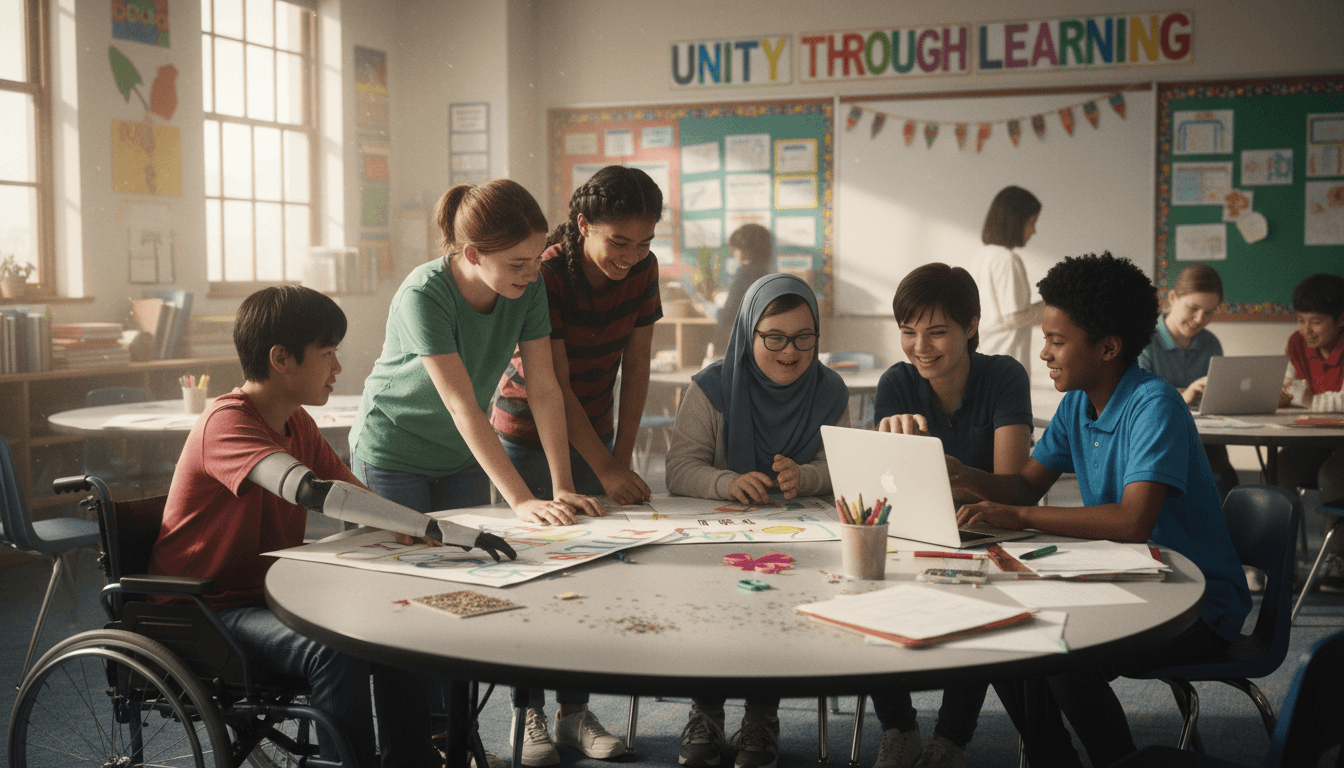
Writing an Inclusive School Newsletter: Communication for All Families
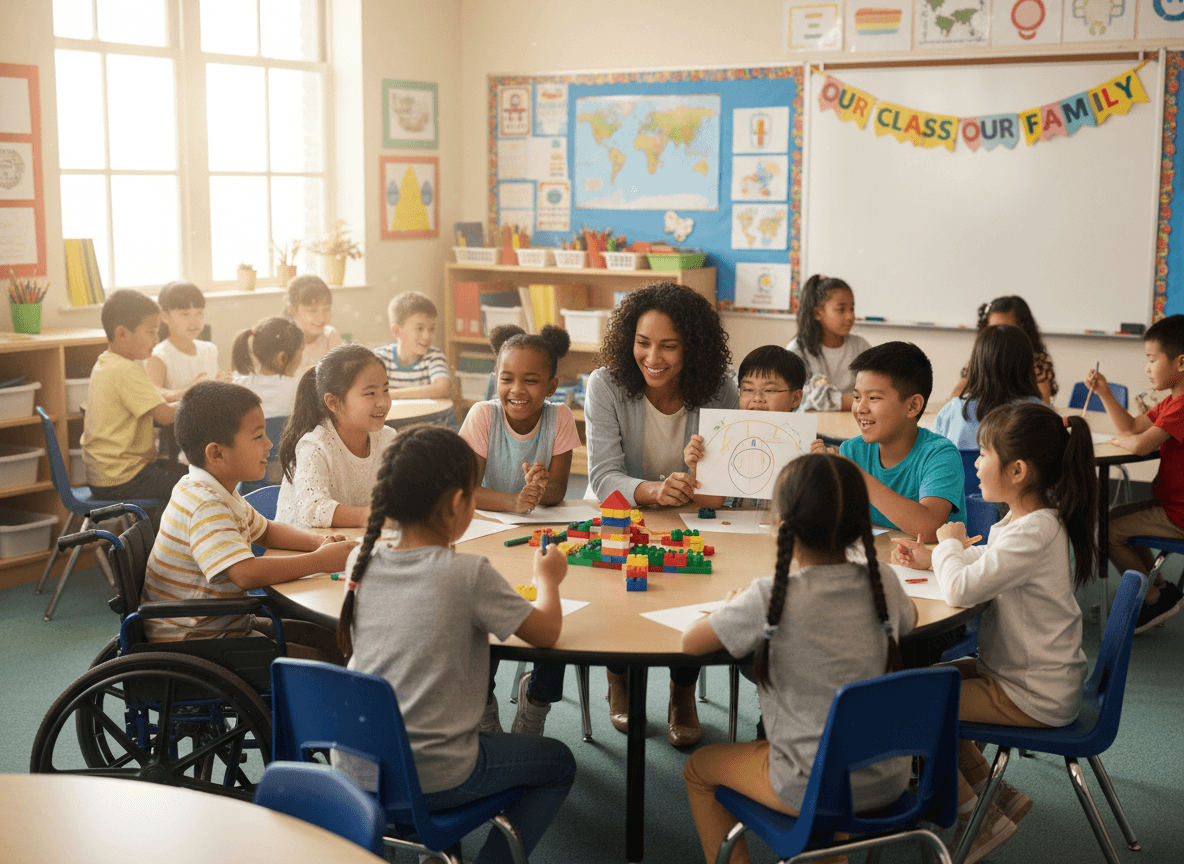
A school newsletter that only works for families who speak English fluently, have reliable internet access, and read at a twelfth-grade level is not a school newsletter. It is a newsletter for some families. Here is how to close that gap without adding hours to your week.
Write at a Seventh-Grade Reading Level
This is not about dumbing content down. It is about removing the friction that keeps families from reading. Long sentences, passive voice, and educational jargon all raise the reading level without adding clarity. Short sentences and plain words do the opposite.
"Students will be assessed on their demonstrated mastery of foundational literacy competencies" means "We are testing reading skills this week." Use the second version. When families can read your newsletter in two minutes without effort, more of them read it. That is the goal.
Translate the High-Stakes Sections
Full translation of every newsletter into every home language in your school is not realistic for most schools. But translating the parts that matter most is. Identify the two or three sections that carry the most important information: upcoming dates, safety updates, action items that require a family response. Translate those sections into the top two or three home languages in your school.
Google Translate is imperfect. A bilingual staff member or parent volunteer who reviews the translation for five minutes is better. If you have neither, a note at the top of the newsletter in key home languages directing families to call the school for a translated copy removes the barrier without requiring a perfect translation.
Use Visuals to Carry Information
A calendar graphic of upcoming events communicates across language barriers in ways that a paragraph of text does not. A photo of the project students are working on tells a family something about school life that no amount of description fully captures. Photos of students at work are especially powerful for families whose home language is not English, because the image carries meaning the text may not.
Be careful with photos that include student faces: check your district's photo release policy. Student work samples and classroom scenes without identifiable faces are usually fine and often more illustrative than posed photos anyway.
Avoid Acronyms Without Spelling Them Out
Educational acronyms are opaque to families who have not spent years inside a school building. IEP, PBIS, ELL, PTA, MTSS, RTI. Every time you use an acronym without spelling it out first, you exclude the families who do not already know what it stands for.
Spell it out the first time it appears in each newsletter: "your child's Individualized Education Program (IEP) meeting" instead of "your child's IEP meeting." This costs you two seconds and removes a real barrier.
Make the Contact Information Obvious
For families who cannot fully read your newsletter or who have questions they cannot resolve from the text, a visible, easy-to-find contact option is the bridge. Put your phone number, email address, and the name of the person to contact at the top or bottom of every issue, not buried in the body.
If your school has a family liaison or multilingual family coordinator, name them specifically and include their contact. "Questions? Call Maria Rodriguez, our Family Liaison, at [number]. She speaks Spanish and English" removes more barriers than a generic "contact the school office" instruction ever will.
Send It in Multiple Formats
Some families read email. Some read a printed copy that comes home in a backpack. Some listen to a phone call. No single delivery format reaches everyone. The practical minimum: email and a physical copy for families who have opted in to paper. Schools with high SMS engagement can add a text message linking to the online version.
The point is not to maximize channel count. It is to match delivery to what each family segment actually uses. Ask families at the start of the year how they prefer to receive school communication. The answers will tell you where to invest.
Get one newsletter idea every week.
Free. For teachers. No spam.
Frequently asked questions
When should schools review their newsletter for inclusivity?
Before sending each issue, not as an annual audit. A quick check before publication catches jargon, acronyms, and missing translations while there is still time to fix them. An annual audit tells you patterns to address structurally, but it does not substitute for issue-by-issue review.
What should an inclusive school newsletter include?
Plain language written at a seventh-grade reading level, key sections translated into the top home languages of the school community, visual content that communicates across language barriers, all acronyms spelled out on first use, and visible contact information for families who need help understanding the content.
How can schools make newsletters accessible to all families?
Ask families at the start of the year how they prefer to receive school communication and match delivery to those answers. Use visuals and calendar graphics to carry information that text alone does not cross language barriers. Name a specific multilingual family liaison with contact details rather than directing families to a general school number.
What are common mistakes in school newsletter accessibility?
Writing at a reading level that requires fluency in academic English, which excludes multilingual families and those with lower literacy. Using educational acronyms without spelling them out. Offering only one delivery format when families in the same school community use email, text, and printed copies at very different rates.
Can Daystage help schools create more inclusive newsletters?
Daystage supports schools in building newsletters that work across their whole community, including tools to structure multilingual sections and accessible formats that do not require starting from scratch each issue.

Adi Ackerman
Author
Adi Ackerman is a former classroom teacher and curriculum writer with 8 years in K-8 schools. She writes about school communication, parent engagement, and what actually works in real classrooms.
More for School Culture
Ready to send your first newsletter?
3 newsletters free. No credit card. First one ready in under 5 minutes.
Get started free