
How to Communicate Your School Morning Meeting Practice to Families
Morning meeting happens in millions of classrooms every day. And in millions of families every evening, when parents ask "what did you do in school today," the answer sometimes is "we had morning meeting" and no further explanation is offered. Families who do not know what morning meeting is cannot understand why it matters, and cannot support the skills it builds at home.
A well-written morning meeting communication is one of the most useful family education investments a school can make. It explains a core daily practice, connects it to learning, and invites families into the culture of the classroom in a concrete way.
Describe the four components specifically
Morning meeting in the Responsive Classroom model, and variations of it in many schools, typically includes four components: greeting, sharing, activity, and morning message. Each serves a distinct purpose.
Greeting builds direct, personal acknowledgment among all members of the class. Sharing develops oral language skills and the ability to listen and respond thoughtfully to peers. The activity builds community through play and collaboration. The morning message introduces the day's learning in a way that reinforces literacy and previews content. Explaining each component briefly gives families a real picture of what fifteen minutes in the morning looks like and what each piece is doing.
Connect the practice to research
Families who are wondering whether morning meeting is worth the time respond well to a brief, plain-language explanation of the research behind it. Research on belonging and student achievement consistently shows that students who feel genuinely connected to their classroom community are more engaged academically, more likely to take learning risks, and more resilient when they encounter difficulty.
Morning meeting is not a break from academic instruction. It is the foundation on which academic instruction rests. A classroom community where students know and trust each other and their teacher is a fundamentally different learning environment from one where that relationship has not been cultivated. That difference shows up in every lesson.
Share what it sounds and looks like
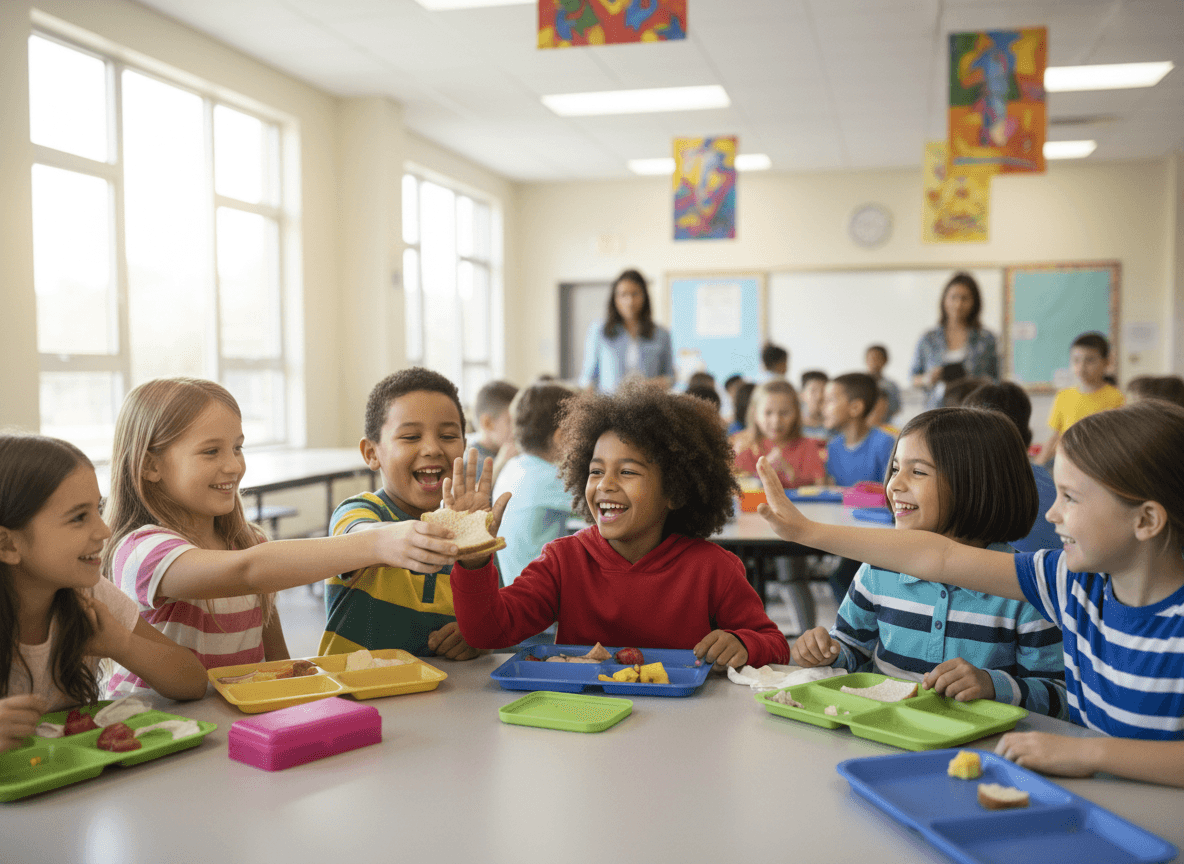
Concrete description brings morning meeting to life for families who have never seen it. "Each student greets the students to their left and right by name with a handshake and a good morning" is more vivid than "students greet each other." "Students share one thing from outside school and their classmates ask questions or make connections" gives families a specific image of what their child is doing and learning.
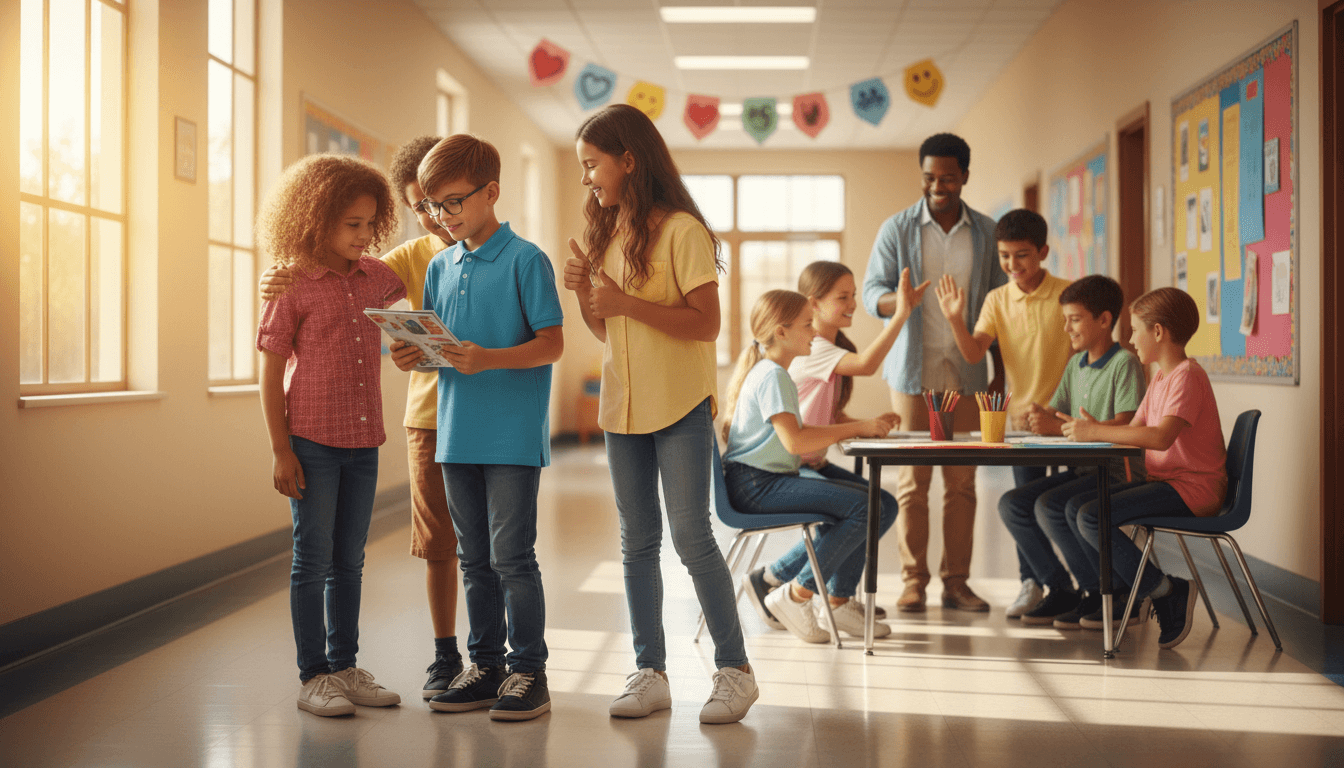
If the school has taken photos of morning meeting with appropriate permissions, including one or two in the newsletter transforms a description into something families can see. Visual communication about classroom routines is consistently more engaging and memorable than text alone.
Give families a home version to try
The most effective school-to-home connection is a simple, specific practice families can actually do. A family check-in at dinner that mirrors morning meeting takes five minutes and builds the same habits of listening, sharing, and acknowledging that morning meeting develops at school.
Describe it specifically: "Try this at dinner tonight. Each person names one thing they noticed or appreciated today and one thing they are looking forward to tomorrow. Everyone else responds with one connection or question." A family that tries this once and finds it meaningful is more likely to make it a habit. A habit at home reinforces what morning meeting is building at school.
Acknowledge the time concern directly
Some families will wonder whether fifteen minutes spent on morning meeting is fifteen minutes not spent on reading or math. Address this directly. Morning meeting is not instructional time taken away from academics. It is community-building time that increases the effectiveness of every academic minute that follows. A classroom where students feel known and safe learns faster and goes deeper than one where the relational foundation has not been laid. That is not a soft claim. It is consistently supported by research on classroom community and student achievement.
Get one newsletter idea every week.
Free. For teachers. No spam.
Frequently asked questions
What is morning meeting and what does it do for students?
Morning meeting is a structured daily gathering, typically fifteen to thirty minutes, where students and their teacher come together at the start of the school day for greeting, sharing, group activity, and a morning message. It builds a sense of belonging and classroom community, develops social skills through structured interactions, supports academic skills through the morning message component, and creates a consistent, predictable start to the day that helps all students, particularly those who carry anxiety or stress from home, transition into a learning mindset.
How does morning meeting connect to academic learning?
The morning message component typically includes reading and writing connections that reinforce literacy skills. The activities often incorporate math, vocabulary, science, or social studies content. More broadly, morning meeting builds the interpersonal skills and sense of psychological safety that research consistently connects to stronger academic engagement. Students who feel known, welcomed, and connected to their classroom community are more likely to take academic risks and engage fully with learning.
Why do some families push back on morning meeting time?
Some families worry that time spent in morning meeting comes at the expense of academic instruction. Addressing this concern directly in your communication, with research on the connection between belonging, social-emotional learning, and academic achievement, converts skepticism into support. The concern is legitimate and deserves a specific, evidence-based response rather than dismissal.
How can families try morning meeting practices at home?
A brief family check-in at breakfast or dinner that mirrors morning meeting's greeting and sharing components helps children practice the same social skills they are building at school. You can describe a simplified version for families: each person shares one thing from their day and one thing they are looking forward to, and everyone else gives one response. It takes five minutes and builds the same habits of listening and sharing that morning meeting develops.
How can Daystage help schools communicate morning meeting to families?
Daystage lets schools send a beautifully formatted morning meeting explanation newsletter directly to every family, with a description of what happens during morning meeting, why it matters, photos from classroom meetings (with appropriate permissions), and specific suggestions for home connection activities. This direct delivery ensures every family gets the explanation rather than only those who attend an open house or read the school handbook.

Adi Ackerman
Author
Adi Ackerman is a former classroom teacher and curriculum writer with 8 years in K-8 schools. She writes about school communication, parent engagement, and what actually works in real classrooms.
More for School Culture
Ready to send your first newsletter?
3 newsletters free. No credit card. First one ready in under 5 minutes.
Get started free