
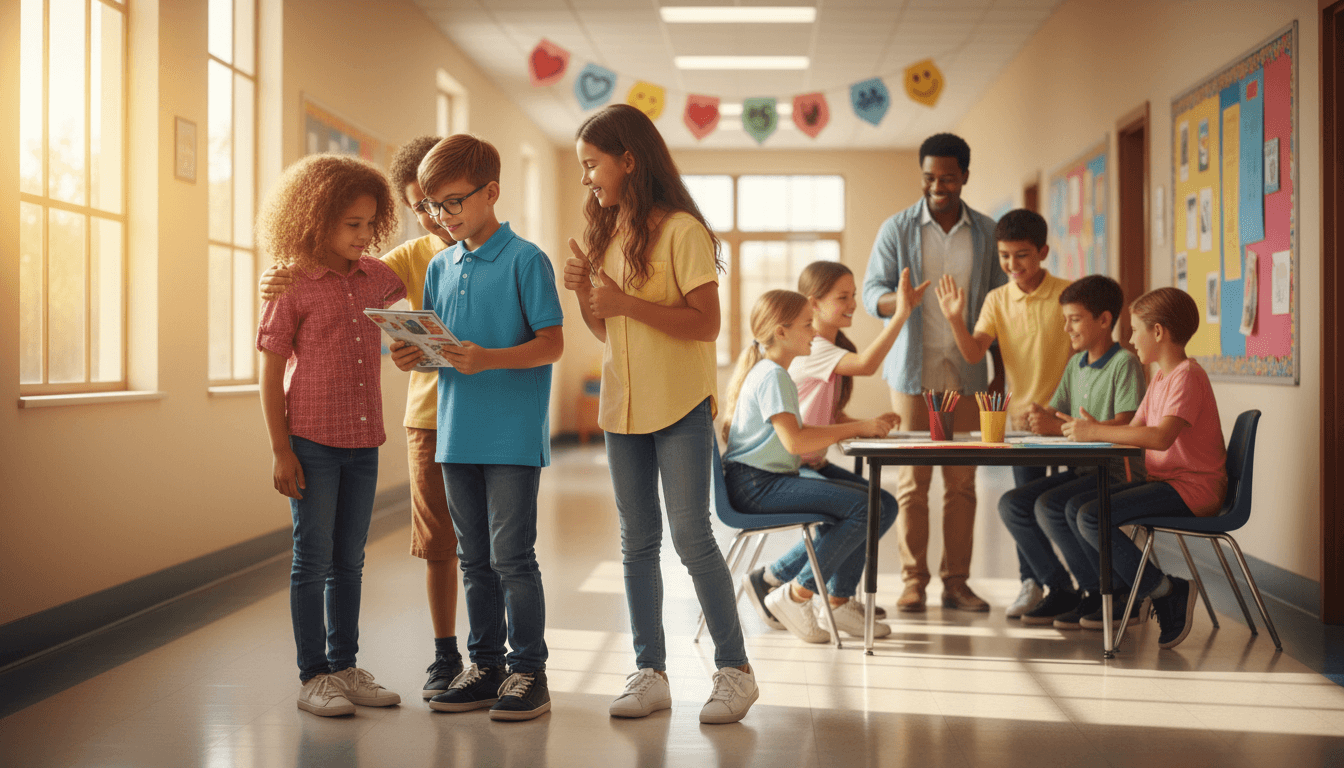
How to Communicate Arts Celebrations and Student Showcases to Families
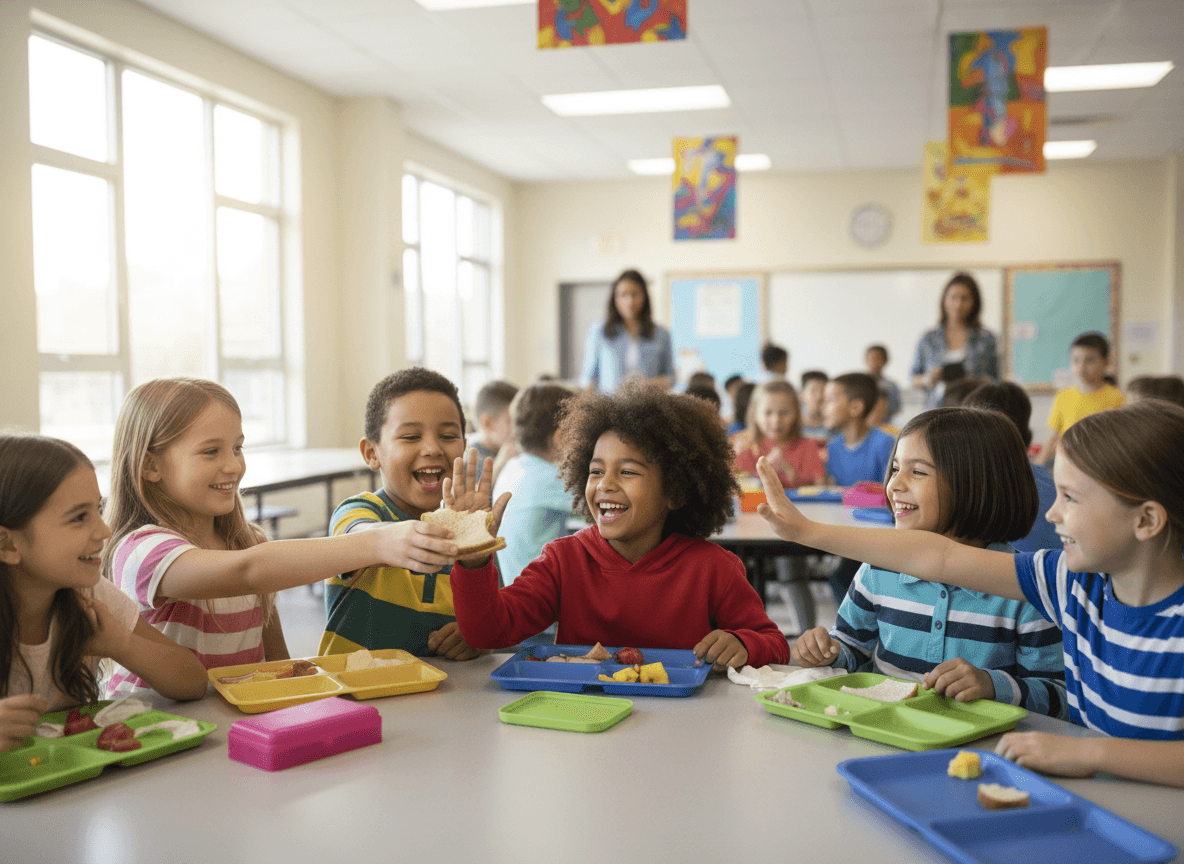
The school arts celebration is one of the most humanizing events on a school calendar. Students who have been assessed and graded and ranked all year get to stand next to something they made from nothing and watch people respond to it. That experience, of creating something that moves someone else, is one of the most powerful in a student's school life.
When it is communicated well, the arts celebration becomes a genuine community event that draws families in, builds pride in the school, and honors the creative work students have done all year. When it is under-communicated, it becomes a display that families walk past in the hallway on their way to somewhere else.
Build anticipation with a preview communication
A good arts celebration communication starts before the event. In the weeks leading up to the showcase, give families brief glimpses of what students are working on. A photo of a student mid-process on a painting. A student's description of the story behind their artwork. A teacher's description of the techniques students are developing.
Families who have been watching the creative process unfold in brief newsletter updates arrive at the celebration with context and investment. They are not encountering a collection of finished pieces they know nothing about. They are seeing the conclusion of a process they have been following.
Lead the event announcement with what families will experience
The event announcement should give families a clear picture of what the celebration will feel like. Not just the logistics, but what they will see, hear, and do. "You will walk through five rooms of student artwork, listen to student poets read their original work aloud, and watch our drama students perform scenes they wrote and directed themselves" is an invitation. "Please join us for our spring arts showcase" is a notice.
Tell families what format to expect and how long it will take. Families who know they are walking into a ninety-minute gallery-and-performance event plan their evening differently than families who think they are popping in for twenty minutes.
Give families the logistics they need to attend
Date, time, location, parking, and whether younger siblings are welcome are the practical questions families have. Answer them all in one communication rather than making families contact the school to find out. Include accessibility information for families with mobility limitations or hearing accommodations.
If the event is popular and space is limited, say so and explain whether there will be multiple viewing sessions or a virtual option. Families who are turned away at the door because of overcrowding have an experience that undermines all the goodwill the event was meant to build.
Name student work specifically in the communication
A communication that specifically names students or types of student work by grade level or class generates attendance from families who want to see their child's work as well as from families whose children's work is not featured but who are curious about the broader community's creative output.
"Every student in grades three through five has at least one piece on display. Second graders are performing original poems. First graders have illustrated their own alphabet books." Specificity tells every family that their child is represented in the event.
Send a follow-up communication after the event
After the celebration, send a brief communication with highlights: a few photos (with appropriate permissions), what the event accomplished, and a word of appreciation for the students who created the work and the families who came to celebrate it. This closing communication reinforces the event's meaning and ensures that families who could not attend still feel connected to what the school community created together.
Get one newsletter idea every week.
Free. For teachers. No spam.
Frequently asked questions
Why are arts celebrations important for school culture?
Arts celebrations accomplish something few other school events can: they make student creative work visible to the community and they give students who may not shine in academic settings a public moment of recognition and pride. The student whose artwork is hung in the hallway, whose poem is read aloud at the celebration, or whose dance is performed at the spring showcase has a different relationship to belonging at school because of that experience. Arts celebrations also bring families into the building in a positive, celebratory context that builds community connection.
What should an arts celebration communication include for families?
Include the event name and description, date, time, location, which students' work will be featured, what format the event takes (gallery walk, performance, reading, or a combination), how long the event will run, whether refreshments will be served, parking and accessibility information, and whether photos are permitted. The communication should make families feel that this is a meaningful event worth attending, not just an end-of-unit display.
How do you honor student work appropriately in arts celebration communication?
Name students specifically, with their grade level and the type of work they created. 'Forty-seven students across grades two through five will have visual artwork on display' is less compelling than 'second through fifth graders created watercolor paintings inspired by their favorite season. Each piece is uniquely theirs.' Describe what students created and how they created it. The artistic process is as interesting as the final product.
How should schools communicate about arts programs to build year-round support?
Arts celebration communication works best when it is part of a year-round arts culture communication strategy. Regular newsletters that describe what students are creating in art, music, drama, and creative writing classes build family familiarity with the arts program before the celebration arrives. Families who have been reading about the creative process all year attend the celebration with more context and more enthusiasm than those who hear about it only in the event announcement.
How can Daystage help schools communicate arts celebrations?
Daystage lets school teams send beautifully formatted arts celebration announcements directly to every family, with event details, student spotlight descriptions, and, after the event, a follow-up communication with photos and highlights. Consistent direct delivery through a well-designed newsletter ensures the celebration invitation reaches every family rather than only those who happen to check the school website or social media.

Adi Ackerman
Author
Adi Ackerman is a former classroom teacher and curriculum writer with 8 years in K-8 schools. She writes about school communication, parent engagement, and what actually works in real classrooms.
More for School Culture
Ready to send your first newsletter?
3 newsletters free. No credit card. First one ready in under 5 minutes.
Get started free