
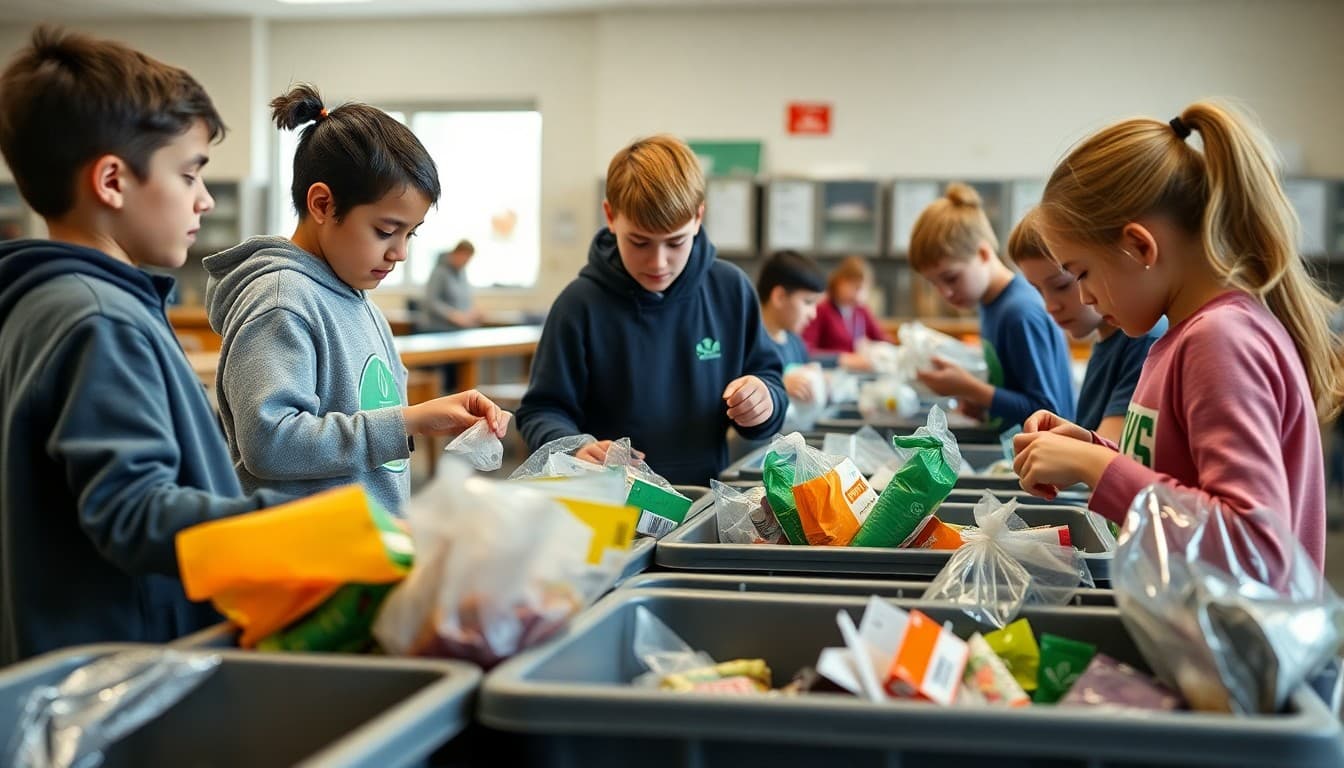
School Composting Newsletter: Sustainability in Action
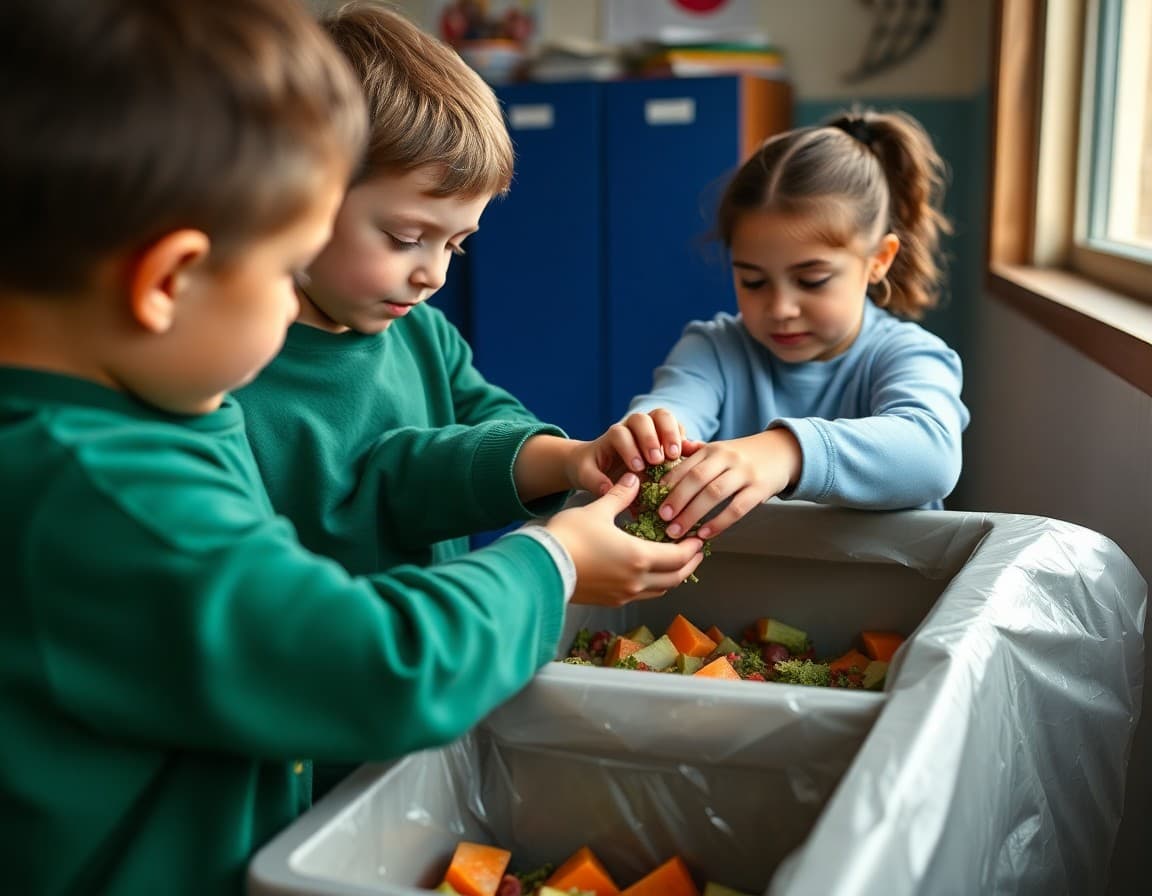
A school composting program is one of the most concrete expressions of environmental education available. It is not abstract. Students sort their actual food waste every day. They see it transform. They use it in the garden. The newsletter communicating this program to families should reflect that concreteness: specific about what happens, honest about the challenges, and clear about why it is worth doing.
Explain why the school is composting
Do not assume families understand the purpose. Start with the why: "Jefferson Elementary generates approximately 300 pounds of food waste per week, nearly all of which currently goes to the landfill where it produces methane as it decomposes. Our composting program diverts that organic material into a resource that feeds our school garden. We are not just reducing waste. We are closing a loop."
That framing connects the behavior change to a meaningful outcome in a way that generic "reduce your footprint" messaging does not.
Tell families what goes where
Composting sorting fails when people are uncertain. Give families a clear what-goes-where explanation:
- Compost bin: fruit and vegetable scraps, bread, pasta, rice, coffee grounds, paper napkins, cardboard pieces
- Landfill only: meat, dairy, oily foods, plastic and styrofoam packaging, napkins with grease, anything labeled "compostable" (requires industrial facility)
- Recycling: clean cardboard, paper, aluminum, glass, plastic bottles
The "compostable" packaging issue trips up adults and students alike. Addressing it directly prevents the contamination that can ruin a full compost batch.
Describe the student role
Tell families how students are involved: "In our cafeteria, trained student sorting coaches from fifth grade stand at the bin station during lunch to help younger students sort correctly. Teachers rotate a weekly compost team that turns the pile, checks temperature, and records the weekly weight. By April, the fifth-grade science class will measure soil nutrient levels in garden beds that received compost versus those that did not."
Students who have an active role in the composting process learn more from it than students who watch adults manage it. And families who know their child is a sorting coach are proud of that responsibility.
Report the numbers
Monthly data belongs in every composting newsletter: pounds diverted, pounds of compost produced, percentage reduction in cafeteria landfill waste. Connect the numbers to something tangible. "847 pounds of food waste diverted in our first semester. If we maintain this rate, we will produce enough compost to amend every raised bed in the garden without purchasing commercial fertilizer for the next two years."
Address the mess and smell concern honestly
"Composting generates questions about smell and pests. Our compost bins are enclosed, properly aerated, and maintained at the right carbon-to-nitrogen ratio to minimize odor. We have not had a pest incident in 18 months of operation. The compost smells like soil, not garbage, when managed correctly."
Template: composting program launch newsletter
"Jefferson Elementary is launching a cafeteria composting program this Monday. Every lunch period, students will sort their food scraps into the green compost bin instead of the trash. Student coaches will be stationed at the bins to help. The compost goes directly to our school garden. Our goal is to divert 200 pounds of food waste from landfill in our first month. By spring, we will use the finished compost to feed the vegetable garden. Here is what goes in the compost bin and what does not."
Connect the program to classroom learning
The composting newsletter that connects the program to specific science standards makes the environmental activity academically credible: "Our composting program is aligned with fourth-grade Earth science standards on matter and energy cycles, fifth-grade standards on ecosystems and decomposition, and middle school standards on environmental systems. Students who manage a working compost system are learning the science, not just reading about it."
Get one newsletter idea every week.
Free. For teachers. No spam.
Frequently asked questions
What should a school composting newsletter include?
Explain what the school is composting and why, describe what goes in and what stays out of the compost stream, tell families how students are involved in the process, and report environmental impact data like pounds diverted from landfill. Address the common concern that composting is messy or smelly and explain the school's system for managing those issues. If the compost is being used in the school garden, describe that closed loop.
What can and cannot go in a school compost bin?
Most school composting programs accept fruit and vegetable scraps, bread and grains, coffee grounds, paper napkins, and cardboard. Programs vary on whether they accept meat, dairy, and cooked foods depending on the composting method. Items that should not go in the compost include plastics labeled compostable (they require industrial composting, not backyard or school piles), wax-coated cups, and anything with meat or dairy if using a cold compost system.
How do you teach students to sort properly for composting?
Visual sorting guides at the bins are more effective than verbal instructions alone. A laminated poster showing photos of what goes in each bin (compost, landfill, recycling) reduces sorting errors dramatically. Student sorting coaches, where trained volunteers from older grades help younger students during cafeteria, are another high-impact strategy. The newsletter should describe both approaches so families understand how the system is designed to work.
How do you report composting program impact in the newsletter?
Translate pounds diverted into something families can visualize: 'We diverted 1,240 pounds of food waste from landfill in October. That is equivalent to taking approximately 160 plastic trash bags out of the garbage stream.' Or connect it to the garden: 'The 200 pounds of compost we produced this semester amended 8 of our 12 raised beds, replacing the commercial fertilizer we used to buy.' Numbers with context tell the story.
How does Daystage support sustainability program communication?
Daystage lets you send monthly composting updates with data on waste diverted, compost produced, and curriculum connections, alongside the school garden and green team newsletters in a coordinated sustainability communication series. Photo-rich newsletters showing students sorting at the bins and turning the compost pile have strong engagement rates from families who want to see their child's environmental education in action.

Adi Ackerman
Author
Adi Ackerman is a former classroom teacher and curriculum writer with 8 years in K-8 schools. She writes about school communication, parent engagement, and what actually works in real classrooms.
More for School Culture
Ready to send your first newsletter?
3 newsletters free. No credit card. First one ready in under 5 minutes.
Get started free