
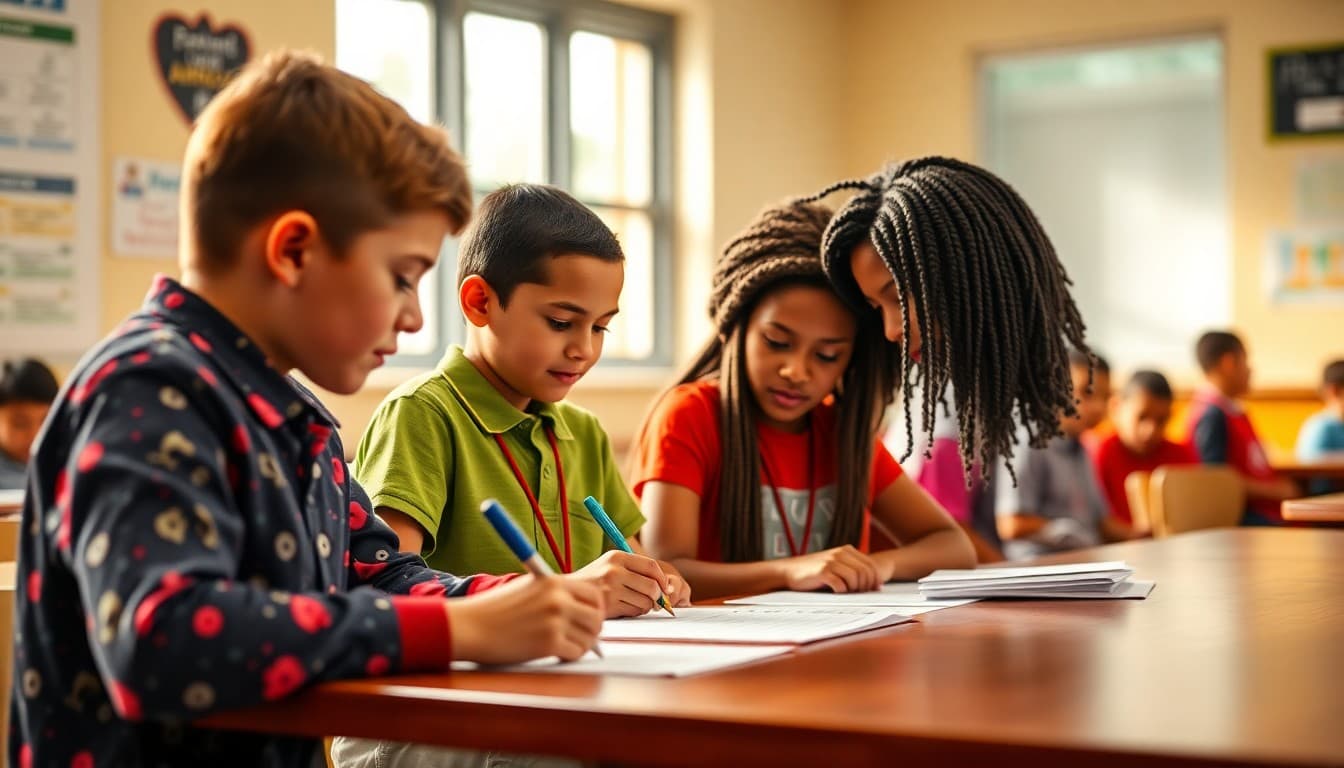
School Community Agreement Newsletter: Our Shared Commitments
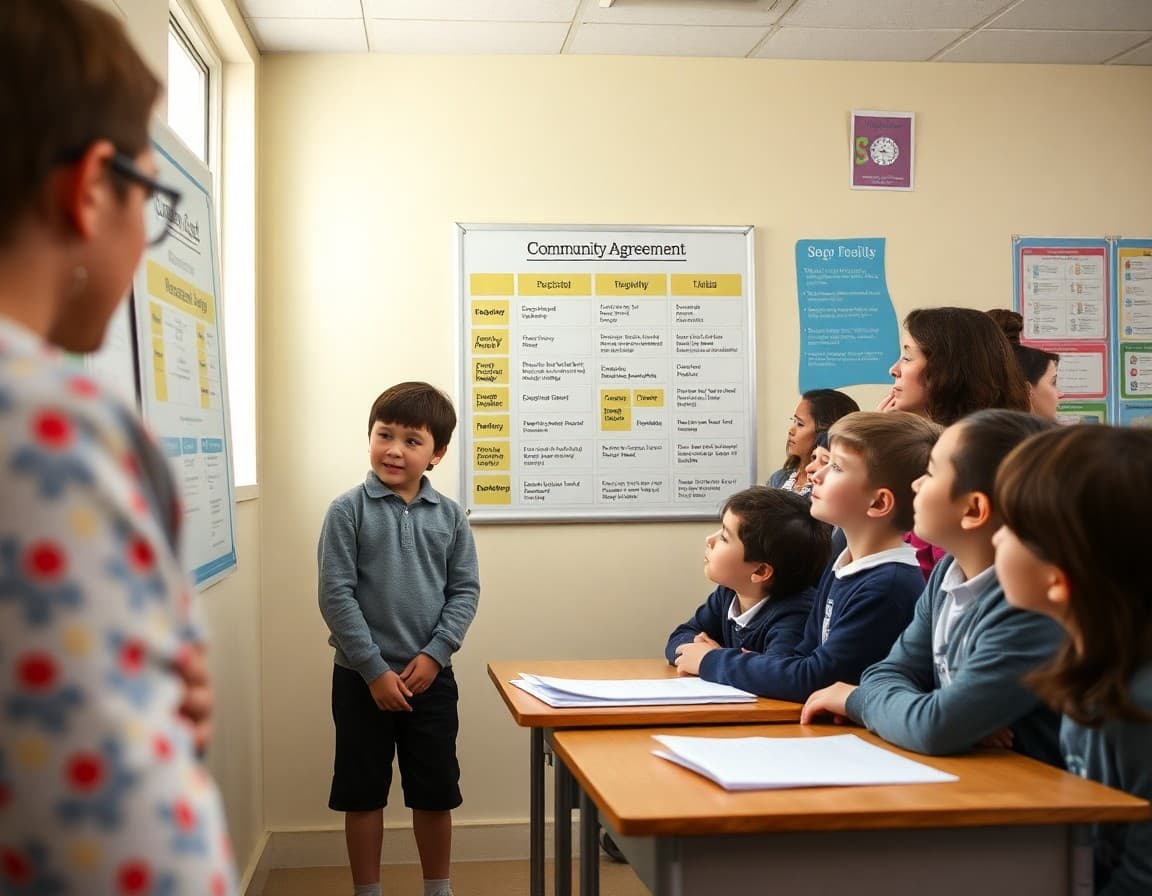
A community agreement is more powerful than a code of conduct because it is made, not imposed. Students who helped write their classroom's community commitments are more likely to honor them than students who were handed a list of rules. Families who know about the agreement and commit to the same principles at home create the school-home alignment that makes community agreements actually work.
Share the agreement itself, clearly and completely
The newsletter should include the full text of the community agreement. Not a summary. Not a reference to where it can be found. The actual commitments, stated plainly. Families who have to go looking for the agreement will not go looking for it.
A strong community agreement is written in first-person plural and describes behaviors, not values: "We listen to each other without interrupting. We repair what we break, including relationships. We take responsibility for our impact even when we did not intend harm. We help each other learn." Those are commitments. "We value respect" is not.
Explain how the agreement was created
Families want to know whether their student had a say in the commitments they are being asked to honor. If students contributed to the agreement through classroom discussions, advisory sessions, or a school-wide process, say so. "This year's community agreement was built from student submissions across all grade levels. Over three weeks, students proposed commitments, debated which ones mattered most, and revised the language until it felt honest. This is their agreement."
Invite family commitment to the same principles
The agreement does not have to stop at the school door. Families who adopt the same commitments at home create a consistent experience for students across their two primary environments. "We invite families to read the agreement and consider which commitments you are already making at home, and which ones you would like to bring more intentionally into your family life. The conversation about the agreement with your student is as valuable as anything we do at school."
Connect the agreement to accountability
Community agreements without accountability processes are performance. The newsletter should describe briefly what happens when someone feels the agreement is being violated: "When a community member feels the agreement has been broken, they are encouraged to name it using the language of the agreement: 'I felt like that interrupted my ability to participate.' We address those moments through conversation and repair, not punishment."
This framing is consistent with restorative practices and tells families something important about how the school handles conflict.
Name a moment where the agreement was kept
A brief story in the newsletter of a moment where the community agreement was kept under pressure is more powerful than any description of the agreement's aspirations. "On Wednesday, when two students had a public disagreement in the hallway, a third student stepped in and said 'we agreed to hear each other out. Can you both take a minute?' That is what this agreement looks like when it is working."
Template: community agreement introduction
"This year, every student at Jefferson Elementary has made the following commitments to our community: We show up fully present. We speak honestly and kindly. We listen to understand, not just to respond. We take responsibility for our impact. We repair what we damage. These commitments were written by students, refined by staff, and adopted by every classroom in September. We invite every family to read them and make the same commitments in your home. If you would like to sign on to the community agreement as a family, we have a family commitment form at [link]. It is optional and meaningful."
Revisit the agreement at mid-year
A brief mid-year newsletter referencing the community agreement keeps it alive beyond September. "We are now five months into our community agreement. Here is where we think we are doing well, here is where we have struggled, and here is what we are focusing on in the second half of the year." That kind of honest mid-year reflection models exactly the accountability the agreement calls for.
Get one newsletter idea every week.
Free. For teachers. No spam.
Frequently asked questions
What is a school community agreement and why should it be communicated via newsletter?
A community agreement is a set of shared commitments that students, staff, and families make to each other about how the school community will operate. Unlike a code of conduct, which is rule-based, a community agreement is values-based and co-created. The newsletter is how the agreement reaches families who were not part of the classroom process that created it, and how the school invites family commitment to the same principles.
What should a school community agreement newsletter include?
Include the agreement itself with each commitment clearly stated. Explain how the agreement was created: whether students generated it, staff drafted it, or families contributed. Give families specific ways they can honor the agreement at home. Describe what it means when community members feel the agreement is being violated and what the process for addressing that looks like.
How do you involve families in creating the community agreement?
Families can contribute to the agreement before it is finalized through a survey or at a community meeting. If the agreement was created without family input, acknowledge that and invite families to respond with additions or questions. A community agreement that reflects family values alongside student and staff values has more authentic buy-in than one that is handed down from administration.
How do you reference the community agreement throughout the year in newsletters?
When the school navigates a difficult community moment, reference the relevant commitment from the agreement. When a student or class exemplifies a commitment, call it by name. 'This week, Ms. Chen's class demonstrated our commitment to hearing each other out by having a student-led discussion about a difficult topic. That is what the agreement looks like in practice.' Regular referencing keeps the agreement alive beyond September.
How does Daystage help schools communicate their community agreement throughout the year?
Daystage lets you send the initial agreement newsletter at the start of the year and reference the agreement in subsequent newsletters throughout the year. You can include the full agreement text in an embedded document or as a newsletter section that families can bookmark and return to when they want to remind themselves of the shared commitments.

Adi Ackerman
Author
Adi Ackerman is a former classroom teacher and curriculum writer with 8 years in K-8 schools. She writes about school communication, parent engagement, and what actually works in real classrooms.
More for School Culture
Ready to send your first newsletter?
3 newsletters free. No credit card. First one ready in under 5 minutes.
Get started free