
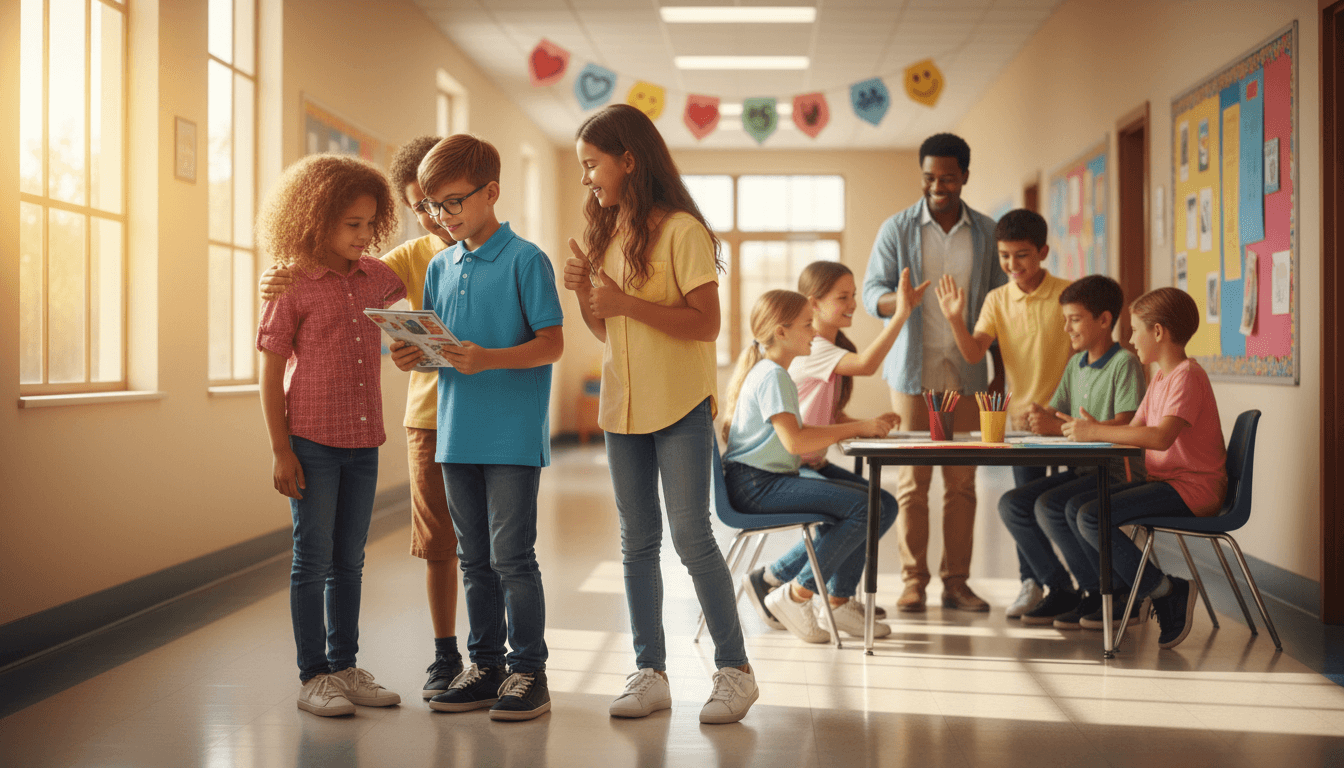
Communicating Collaborative Learning to Families Through Your Newsletter
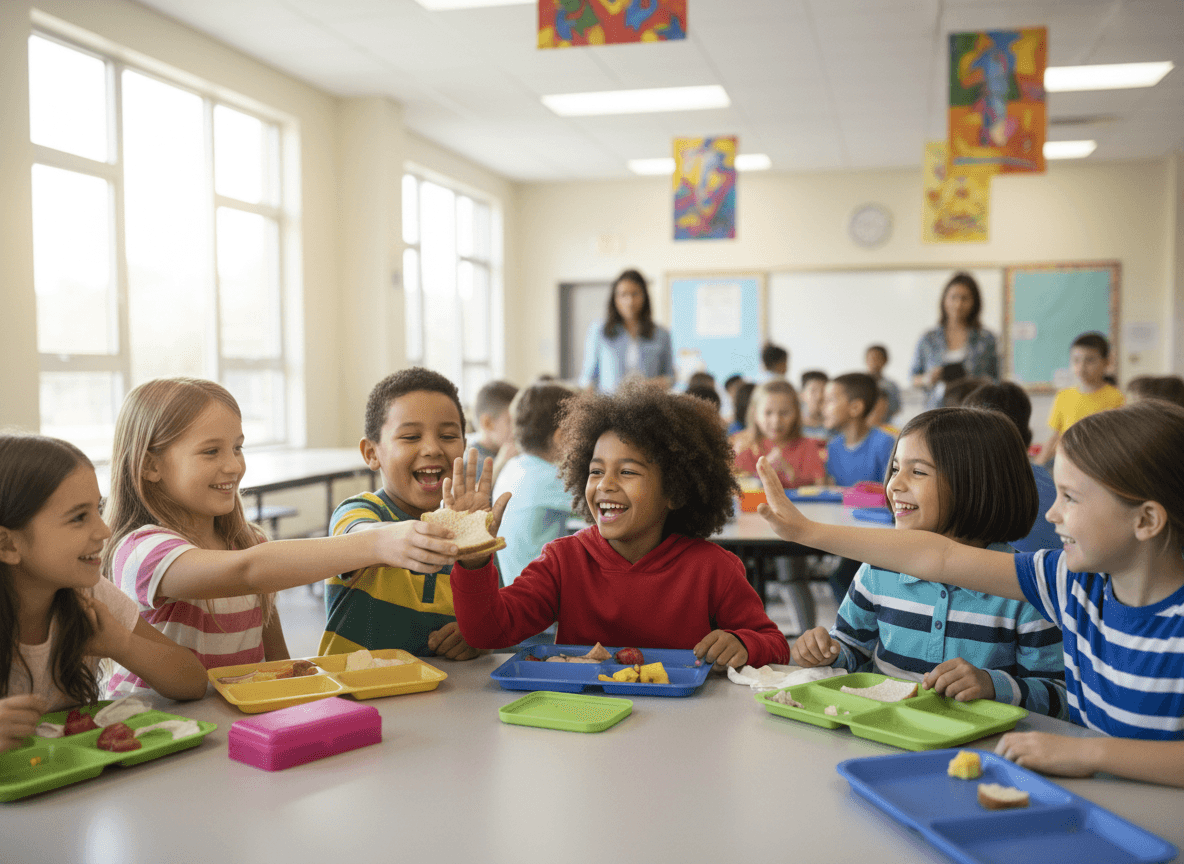
When families see their children working on group projects, they often have questions about whether the work is equitable, whether their child is learning anything independently, and whether the teacher is really in charge. These are not unreasonable questions, and the newsletter is the right place to answer them before they become complaints.
Explain the Model Before Projects Begin
At the start of a major collaborative unit, include a brief newsletter description of how the group work will be structured. Describe the roles students play, how the teacher monitors individual contribution, and what the final product will look like.
Families who receive this explanation before the project starts bring a different energy to the homework conversation than families who only hear about the group project from a frustrated child who thinks they are doing all the work.
Show What the Skills Look Like
The most effective collaborative learning newsletter content describes specific skills in terms families recognize. Not "students are developing collaborative competencies" but "students are learning to disagree productively, which means pushing back on an idea without dismissing the person who had it."
Those translations from education language to plain language build family understanding and engagement far more effectively than jargon-heavy descriptions of pedagogical frameworks.
Feature Group Project Outcomes
When a collaborative project produces something visible, share it in the newsletter. A summary of what different groups created, a student quote about what the process was like, or a photo of a presentation builds pride in the work and shows families the tangible outcomes of the collaborative model.
"Our eighth-grade history groups each produced a documentary short about a different aspect of the Civil Rights Movement. They presented them to each other and to invited families last week. The quality of the thinking visible in those presentations is worth seeing." That is compelling newsletter content.
Address the Individual Accountability Question
The most common family concern about collaborative learning is that individual accountability is lost. Address this directly. Describe whatever individual components exist in your model: individual reflection papers, peer assessments, teacher observation notes, or individual grades within a group project.
"Every student in a group project also completes an individual reflection that contributes to their grade. Teachers also observe and document individual contributions during the working process. We take both the group outcome and the individual effort seriously."
Connect Collaborative Skills to the Larger World
Help families see the relevance of collaborative learning beyond the current assignment. A brief note about why collaboration matters in the careers their children will have and the communities they will inhabit places the school's approach in a context families find meaningful.
"Virtually every profession our students will enter involves working with others, often across disagreement and different work styles. We teach collaboration because it is a learnable skill and because it matters in ways that a final exam cannot measure."
Get one newsletter idea every week.
Free. For teachers. No spam.
Frequently asked questions
How do you explain collaborative learning to families who remember school as individual seat work?
Acknowledge the difference directly and explain the reasoning. Research consistently shows that the ability to work effectively with others is among the highest-value skills for career success and civic life. Describing the specific skills students develop through collaboration, like leadership, listening, and negotiating disagreement, helps families see the purpose rather than just the unfamiliarity.
What should the newsletter show about how collaborative learning actually works?
Show what roles students play within a group, how teachers structure and supervise group work, and what the outcomes look like. Families often picture collaborative learning as unsupervised chaos. A concrete description of how a group project runs from beginning to end corrects that perception.
How do you address the concern that one student always does all the group work?
Name the concern directly in the newsletter because it is nearly universal. Describe how teachers handle unequal contribution, including individual accountability components, peer assessments, and teacher observation. Families who raise this concern are not wrong that it happens. Explaining how the school addresses it is more useful than dismissing the worry.
What collaborative learning moments are worth featuring in the newsletter?
Group presentations, student-designed projects, collaborative research, and student-led teaching moments are all worth describing specifically. Showing families a concrete example of what a collaborative assignment produced is more persuasive than any description of the model itself.
How does Daystage support communication about innovative learning practices?
Daystage helps school teams send structured, consistent newsletters that include regular curriculum communication like collaborative learning updates without requiring a new template for every pedagogical topic. Schools use it to keep families informed about what learning looks like throughout the year.

Adi Ackerman
Author
Adi Ackerman is a former classroom teacher and curriculum writer with 8 years in K-8 schools. She writes about school communication, parent engagement, and what actually works in real classrooms.
More for School Culture
Ready to send your first newsletter?
3 newsletters free. No credit card. First one ready in under 5 minutes.
Get started free