
School Chickens Newsletter: Agricultural Learning Communication
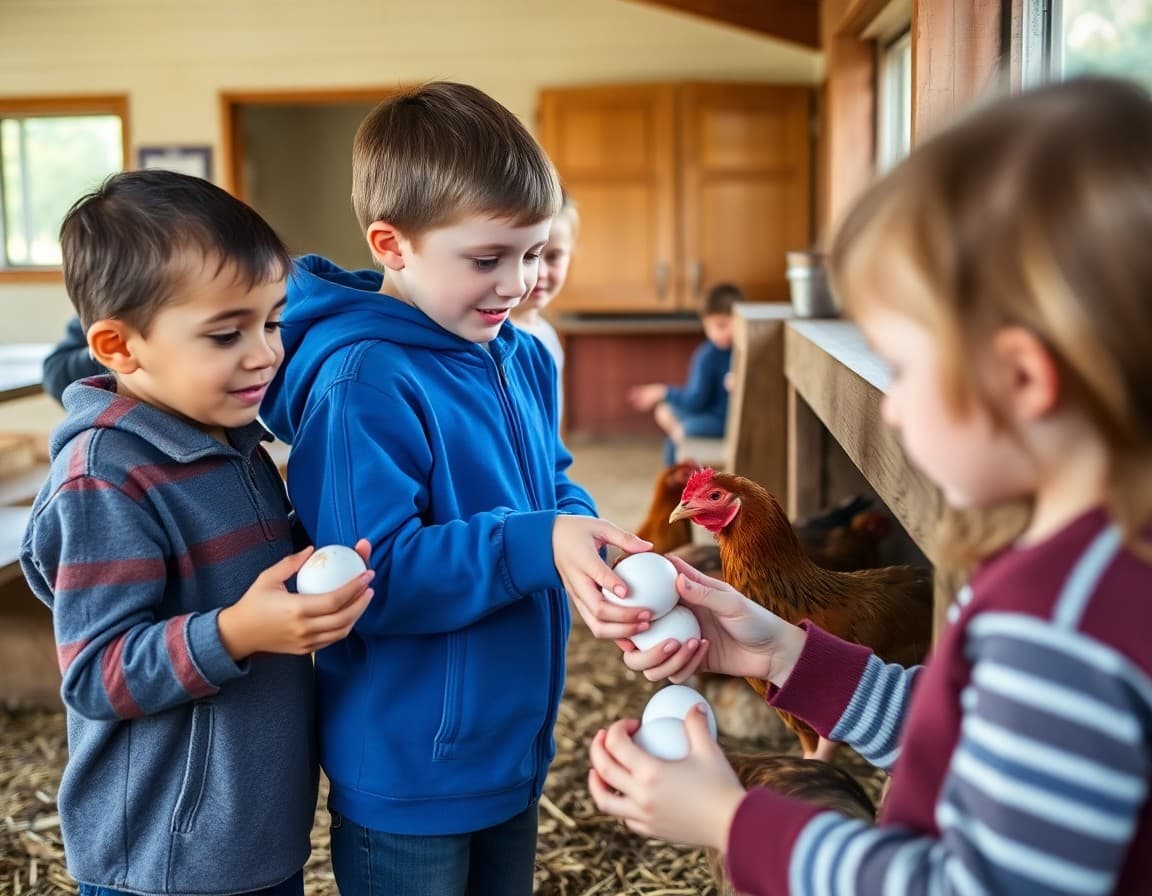
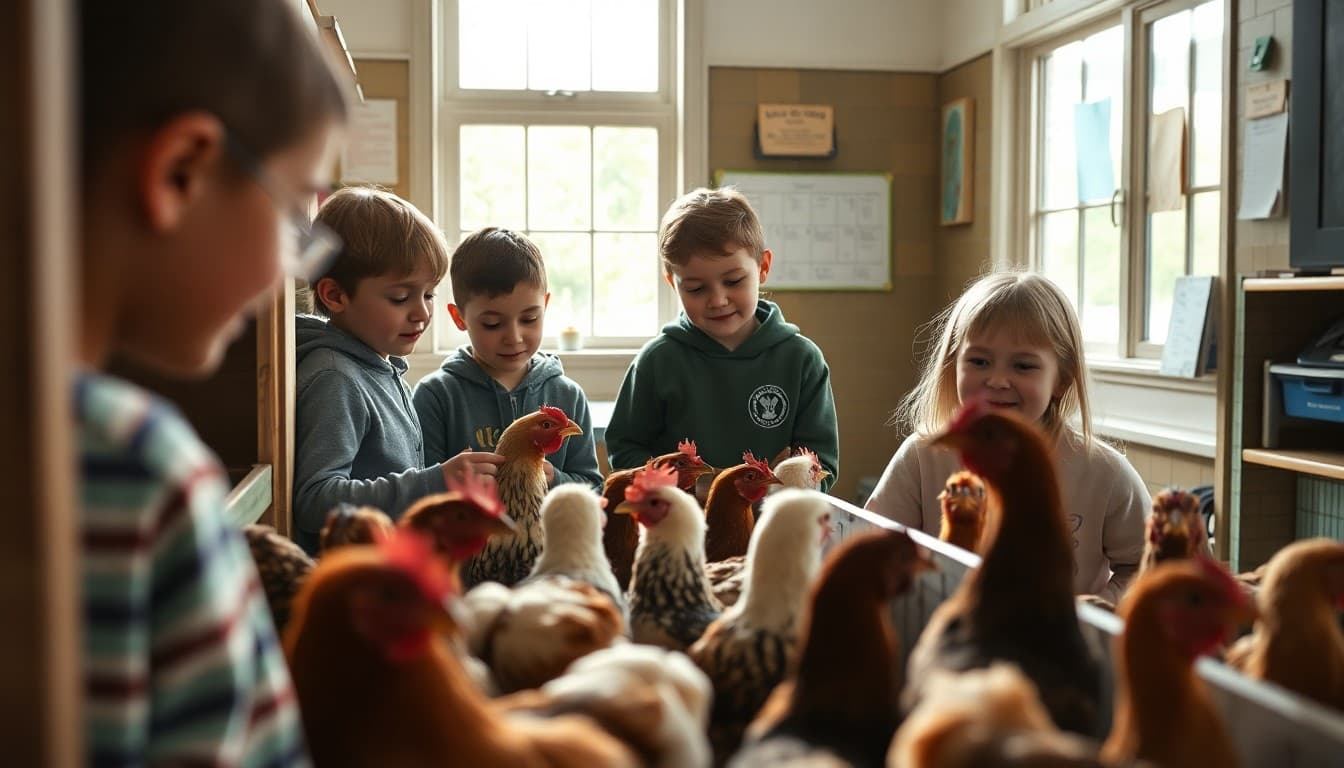
A school chicken flock is one of the most unusual things a school can have, and one of the most educational. Students who interact with living animals that depend on human care develop a practical understanding of biology, responsibility, and natural systems that no classroom unit can fully replicate. The newsletter around the program is what makes that value visible to the families who might otherwise see it as a distraction from academics.
Introduce the flock specifically
Name the breeds and the number of hens. If the flock has names, include them. "Jefferson Elementary's flock consists of 6 hens: two Rhode Island Reds named Ruby and Garnet, two Black Australorps named Midnight and Star, and two Buff Orpingtons named Honey and Biscuit. The flock arrived as pullets in September and laid their first eggs in November."
That level of specificity turns the chickens from a school initiative into actual animals that families can ask their children about at dinner.
Describe the educational connections
Tell families which grades use the chickens and how they connect to curriculum:
- Kindergarten: daily egg collection, observation journals on chick development
- Second grade: life cycles unit using the laying cycle as a real-time example
- Fourth grade: animal behavior observation, habitat design in science
- Fifth grade: food systems unit connecting the flock to local food economy
Families who see these connections understand the flock as a curriculum resource, not a hobby.
Explain the student care responsibilities
"Students in rotating classroom groups are responsible for morning feed and water checks, egg collection, and weekly coop cleanouts supervised by teachers. This is real agricultural work, including the parts that are not glamorous. Third-graders learned last month that coop cleaning is genuinely smelly and that caring for animals requires doing it anyway."
That honest description of the less appealing parts of chicken care is actually more persuasive than sanitized descriptions of adorable students holding chickens.
Address health and safety directly
Families will have questions about health and safety. Answer them proactively: "All students wash hands after chicken interactions. The coop is positioned away from food service areas. Hens are vaccinated and receive regular health checks from [veterinary partner or teacher credential]. We have not had a health incident in our two years of operating the program."
Recruit weekend care volunteers
Chickens require daily care. Weekends and holidays need a coverage plan that involves families. "Weekend chicken care volunteer slots are available at [link]. Each slot is a 15-20 minute visit: water, feed, egg collection, coop check. A care guide is provided. Children are welcome. This is one of the most popular volunteer opportunities we offer, and slots fill quickly."
Template: chicken flock introduction newsletter
"Jefferson Elementary has a new addition: our school flock. Six hens now live in the coop next to the garden. They are Rhode Island Reds, Black Australorps, and Buff Orpingtons, and they are already being used in three grades for life science, food systems, and animal behavior observation. Students collect eggs daily (we are averaging 4-5 per day) and participate in coop care. We need weekend volunteer families to cover Saturday and Sunday care. It takes 15 minutes and is the most popular volunteer job at Jefferson. Sign up at [link]."
Report production and program milestones
Monthly updates on egg production, behavioral observations, and program milestones keep the community connected to the flock: "October egg production: 97 eggs. All eggs distributed to classroom cooking projects and to the cafeteria for Friday's breakfast program. The flock is beginning its winter molt, which means production will drop temporarily. Second grade is tracking the molt as part of their animal adaptation unit."
Specific numbers and curriculum connections make every update feel purposeful rather than just a farm report.
Get one newsletter idea every week.
Free. For teachers. No spam.
Frequently asked questions
What should a school chicken flock newsletter include?
Introduce the flock with specifics: breeds, approximate ages, names if they have them, and current egg production. Explain which classes use the chickens for curriculum and what the learning objectives are. Describe the care schedule and how students are involved in feeding, watering, and egg collection. Address health and safety protocols. Invite family volunteers for weekend and holiday coverage. Give families an update on anything unusual like molting season or a health issue.
How do you introduce the school's chicken flock to skeptical families?
Lead with the educational outcomes: animal husbandry, life science, agricultural systems, responsibility, and observations of natural biological cycles. A school with chickens is teaching students something they cannot learn from a textbook: the daily, seasonal, and sometimes difficult reality of caring for living animals. Many families who seem skeptical become engaged when they see their student excited about egg collection on Monday morning.
How do you handle difficult events like a predator incident or a chicken death in the newsletter?
Be honest, age-appropriate, and calm. 'We lost one of our hens over the weekend, likely to a raccoon that got under the coop wire. We are improving the coop structure this week. This is one of the realities of keeping animals, and students will discuss it in their classroom on Monday.' That communication is respectful, honest, and treats families as adults who can handle real news.
How do you recruit families for weekend and holiday chicken care?
Create a sign-up system and describe the volunteer commitment specifically: 'Weekend chicken care takes about 15 minutes. You fill the water, add feed, collect eggs, and check that the coop is secure. We provide a care guide. Students are welcome to come with you. Sign up for one weekend here: [link].' Families who know exactly what is involved are far more likely to sign up than families who see a vague request for help.
How does Daystage help with school agricultural program communication?
Daystage lets you send seasonal updates about the flock including egg production data, behavioral observations, and volunteer schedules in a consistent, photo-friendly format. Chicken newsletters with photos of students interacting with the flock have some of the highest open and engagement rates in school communication because they show students doing something genuinely interesting and real.

Adi Ackerman
Author
Adi Ackerman is a former classroom teacher and curriculum writer with 8 years in K-8 schools. She writes about school communication, parent engagement, and what actually works in real classrooms.
More for School Culture
Ready to send your first newsletter?
3 newsletters free. No credit card. First one ready in under 5 minutes.
Get started free