
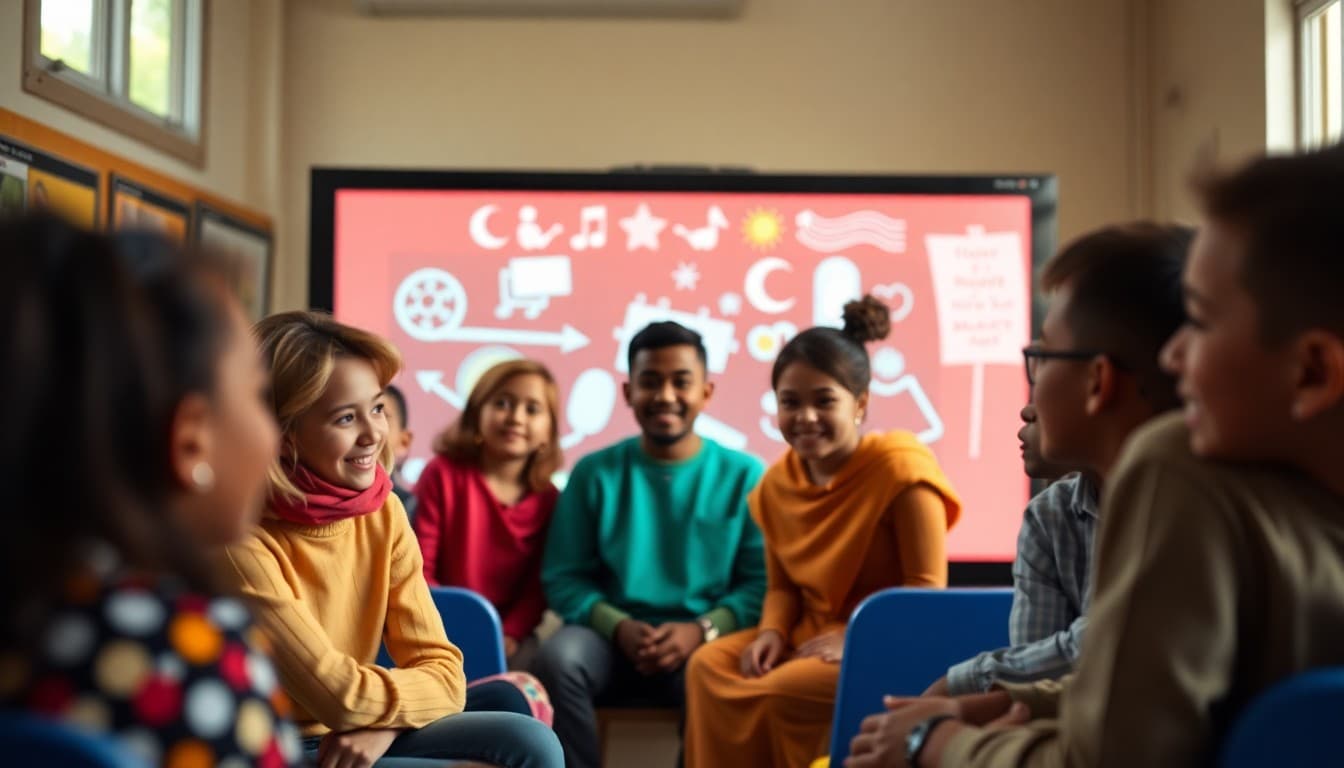
Cultural Celebration Newsletter Template for Diverse Schools
Cultural celebration events succeed when every family in the school feels genuinely invited, not just the families from visibly "different" cultural backgrounds. A newsletter invitation that treats multicultural programming as a curiosity about others rather than a celebration of the whole community will reach some families and miss many more.
This template and guide covers how to write a cultural celebration invitation that is welcoming without being performative, how to structure participation options at multiple levels, and how to send the invitation in a way that reaches families who might otherwise not see it.
Frame It as a Celebration of the Whole Community
The invitation should make clear from the first sentence that this event is about the whole school community coming together, not a showcase of specific ethnic groups for the observation of others. "Jefferson Elementary's Cultural Showcase celebrates the 24 countries our school families come from and invites everyone to learn, share, and connect" is an invitation to a community. "Come see food and performances from different cultures" implies spectators and performers, which is a different and less welcoming dynamic.
Participation Options at Multiple Levels
Different families have different levels of comfort with public sharing. The newsletter should describe participation options at multiple levels so every family finds a way to engage. From most to least visible: performing music or dance, presenting a cultural display table, sharing food, donating supplies, volunteering to help run the event, or simply attending and engaging with what others have prepared.
Each option is a valid form of participation. Say so explicitly.
Sample Newsletter Template Excerpt
Here is a template you can adapt:
Subject line: Our School's Cultural Showcase - May 2, Share Your Heritage or Simply Come Celebrate
Opening: Our families come from 24 different countries, and on May 2 we are celebrating that together. Jefferson's Cultural Showcase is a family evening where every background is welcome, every tradition is worth sharing, and attendance alone is a gift to the community we are building.
How to participate:
- Bring a food dish to share from your cultural heritage or a place that is meaningful to your family
- Set up a display table about your family's country, region, or tradition
- Share music, a performance, or a story
- Volunteer to help set up, serve, or clean up
- Come and enjoy what your neighbors have prepared
All forms of participation are welcome and appreciated equally.
To share food or set up a table: Register at [link] by April 25 so we can plan the space appropriately.
Event Details:
Date: Friday, May 2, 2026
Time: 6:00 to 8:30 p.m.
Location: Jefferson Elementary Gymnasium and Cafeteria
Free admission. All ages welcome.
Language and Translation
If your school has significant multilingual populations, the cultural celebration newsletter should be one of the events where you send translated invitations. Families who receive communication in their home language feel more included and are more likely to participate. Coordinate with your ELL coordinator or parent liaison to identify which families need translated materials and which languages are most needed.
What to Do When Participation Registration Is Low
If registration for display tables or food sharing is lower than expected two weeks before the event, a direct personal outreach from a teacher or parent liaison to specific families often works better than a second general newsletter blast. Identify five to ten families whose participation would meaningfully represent the school's diversity and ask them directly and personally.
During the Event
Name each display table and food station with the family's name and their country or region of origin. Printed labels cost almost nothing and add enormous dignity to the contributions families make. Anonymous tables and unlabeled food feel like decoration. Named contributions feel like the sharing they are meant to be.
Post-Event Newsletter
A post-event newsletter with photos from the evening, a note about what countries were represented, and a thank-you to every family who contributed closes the event with the same warmth the invitation opened with. This post-event communication also reaches families who could not attend and gives them a window into what the community created together.
Get one newsletter idea every week.
Free. For teachers. No spam.
Frequently asked questions
What is the goal of a cultural celebration newsletter?
The newsletter does two things: it invites all families to participate in a celebration of the school community's cultural diversity, and it provides enough context for families who are less familiar with formal multicultural events to understand what to expect and how to contribute. The invitation should feel genuinely welcoming to every family in the school, not just families from specific cultural backgrounds or those who are already civically engaged.
How do you invite families to share their culture without making it feel like an obligation?
Frame participation as an opportunity, not a duty. 'If your family would like to share food, music, or a display about your cultural heritage, we would love to include you' is an invitation. 'Families are expected to bring a cultural dish' is a burden. Make clear that attendance alone is a meaningful form of participation, and that sharing is optional. Families who feel pressured to perform their identity often disengage entirely.
How do you handle the fact that some families may have complex or painful feelings about cultural identity?
Acknowledge that cultural identity is personal and multifaceted without dwelling on it in the invitation. Keep the framing positive and forward-looking. If your school has families from regions experiencing conflict or difficult histories, be thoughtful about how you describe those backgrounds. When in doubt, let families define their own participation rather than assigning cultural categories.
What participation options should the newsletter list?
Food sharing, cultural display tables, traditional music or dance performances, and story sharing through written or visual submissions are the most common. Also include non-performance options like volunteering for setup or cleanup, donating supplies, or simply attending and engaging with what other families have prepared. Multiple tiers of participation give families options that match their comfort level.
How can Daystage help send a cultural celebration newsletter in multiple languages?
Daystage supports sending the same newsletter to different audience segments, allowing you to send translated versions to specific families. You can build the newsletter in English and maintain separate translated versions for Spanish, Arabic, or other languages represented in your community.

Adi Ackerman
Author
Adi Ackerman is a former classroom teacher and curriculum writer with 8 years in K-8 schools. She writes about school communication, parent engagement, and what actually works in real classrooms.
More for School Culture
Ready to send your first newsletter?
3 newsletters free. No credit card. First one ready in under 5 minutes.
Get started free