
Cheerleading Team Newsletter: What to Include and How to Write It
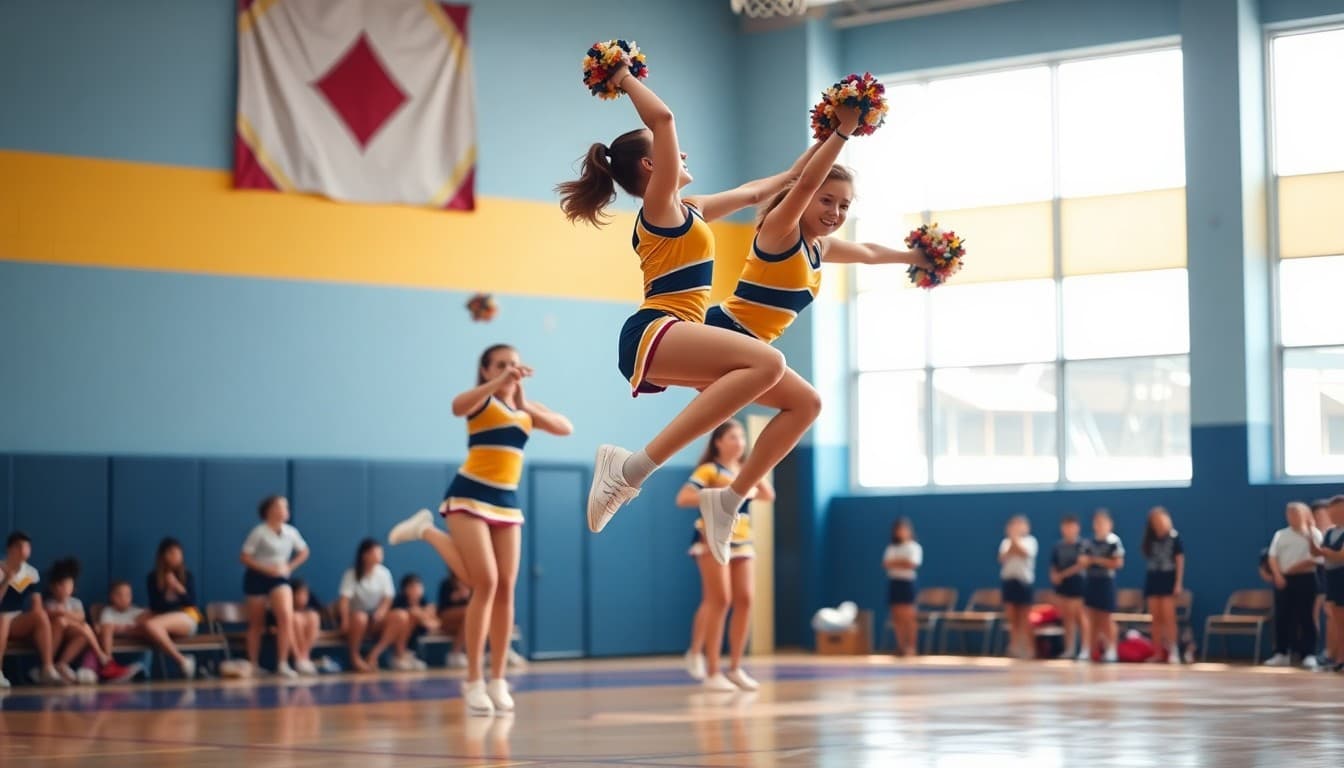
Cheerleading programs carry two distinct responsibilities: competitive athletics and school spirit leadership. A newsletter that only covers competition results misses the program's role in building school culture. A newsletter that only covers game day spirit assignments misses the athletic work the team puts in. A good cheerleading newsletter covers both and tells the full story of what the program does and why it matters.
Cover the full season calendar upfront
Cheerleading families juggle game day assignments, practice schedules, competition dates, and school appearance commitments simultaneously. A pre-season newsletter that lays out the full calendar, with as much lead time as possible, gives families what they need to plan and commit. Include uniform fitting dates, mandatory practice requirements, and any overnight competition travel details as early as they are known.
Report competition results with specificity
Competition results deserve the same detailed coverage as any other athletic event. Report scores, placement, division information, and what the judges noted about the team's performance. If the team achieved a personal best in a score category or nailed a skill they have been working on all season, name it. Families who were not in the stands want to understand what they missed.
Celebrate spirit leadership, not just athletic performance
School spirit leadership is a real skill that deserves recognition. A newsletter that acknowledges an athlete who leads the crowd during a tough game, who brings energy when the team is down, or who consistently models the sportsmanship the program expects communicates that athletic performance is not the only thing the program values.

Address safety communication proactively
Cheerleading has a genuine injury profile, particularly in programs that include partner stunting and tumbling. Families who receive proactive safety communication, coverage of conditioning protocols, spotting requirements, and what happens when an athlete is injured, trust the program more than those who only hear about safety in the aftermath of an incident. This communication does not need to be alarmist. It should be matter-of-fact and reassuring.
Include fundraising and booster information
Competitive cheerleading is expensive. Uniform costs, competition fees, gym rentals, and travel all add up in ways that school budgets rarely fully cover. A newsletter that keeps families informed about fundraising goals, progress, and how to contribute builds the booster engagement that programs depend on. Clear financial communication also reduces the anxiety families feel about costs they cannot fully anticipate.
Close the year with full recognition
A post-season newsletter that lists competition results, individual athlete recognition, senior tributes, and the team's community contributions over the year gives the season a meaningful close. Cheerleading programs invest enormous effort in both athletic performance and school culture, and a post-season newsletter that honors that work with real recognition sustains the enthusiasm that keeps the program strong.
Get one newsletter idea every week.
Free. For teachers. No spam.
Frequently asked questions
What should a cheerleading team newsletter include?
Competition and performance schedules, game day assignments, tryout and audition information, uniform and appearance requirements, fundraising updates, team values and expectations, athlete spotlights, results from competitions, and recognition of both competitive performance and spirit leadership. Cheerleading programs that compete and those that focus on spirit sideline support have different emphases, but both benefit from consistent family communication.
How does a cheerleading newsletter balance competitive and spirit functions?
By covering both. Competitive cheerleading newsletters should cover competition schedules, scores, and skill development alongside spirit function coverage. Sideline-focused programs should cover game assignments, school event appearances, and community contributions alongside routine and skill content. Both functions are part of the program's identity and both deserve coverage.
How do cheerleading newsletters address the full team roster fairly?
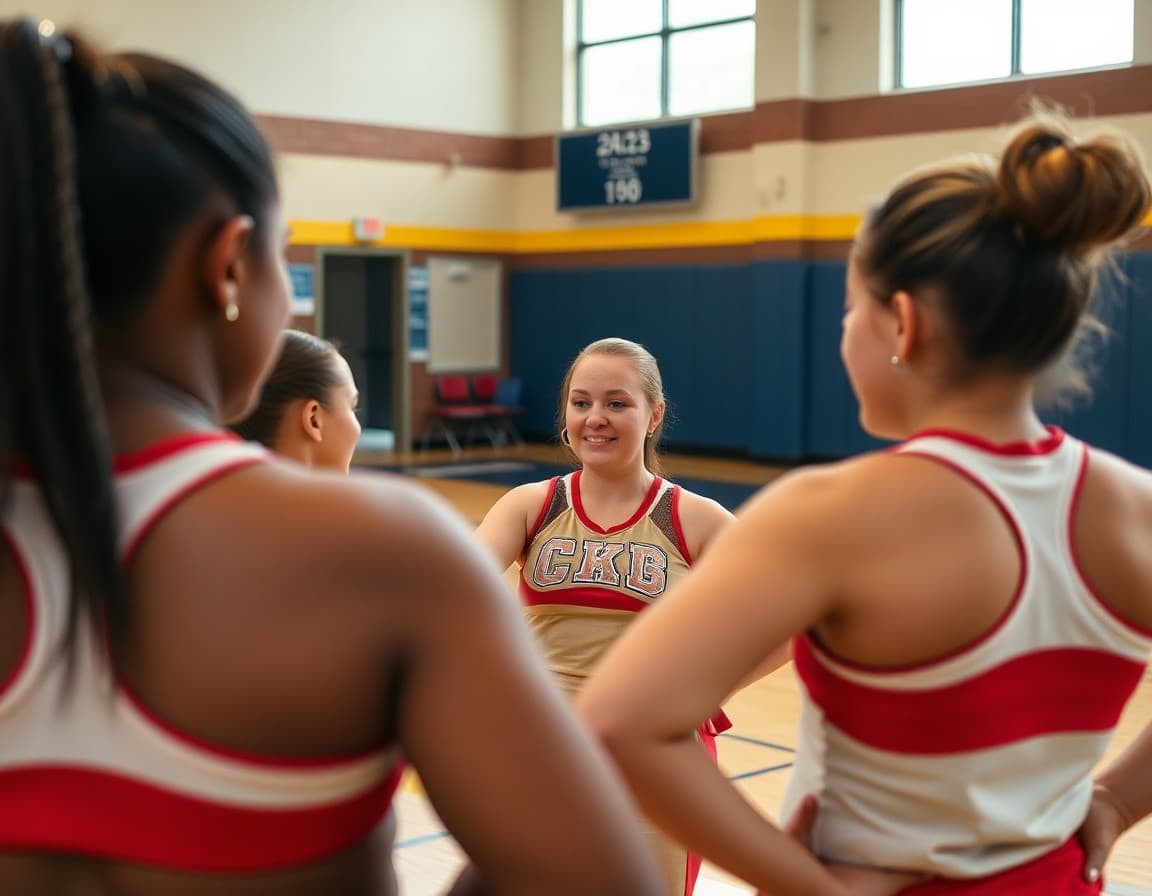
By rotating athlete spotlights, recognizing contributions beyond athleticism such as leadership, school spirit advocacy, and sportsmanship, and covering the work of all team members including managers and alternates. Cheerleading programs often have athletes with very different roles, and a newsletter that acknowledges the full range of contributions communicates that every member matters.
What safety communication should cheerleading newsletters include?
A brief note on physical conditioning requirements, safety protocols for stunting and tumbling, what families should do if their athlete is injured, and who to contact with safety concerns. Cheerleading has a real injury profile, and families who receive proactive safety communication trust the program more than those who only hear about safety issues after an incident.
How does Daystage help cheerleading coaches communicate with their community?
Daystage makes it easy to send consistent newsletters to the full cheer program community, parents, boosters, and school administration, without managing multiple distribution lists. A coach who uses Daystage for weekly season newsletters builds the engaged family community that fundraising, competition travel, and program advocacy all depend on.

Adi Ackerman
Author
Adi Ackerman is a former classroom teacher and curriculum writer with 8 years in K-8 schools. She writes about school communication, parent engagement, and what actually works in real classrooms.
More for School Culture
Ready to send your first newsletter?
3 newsletters free. No credit card. First one ready in under 5 minutes.
Get started free