
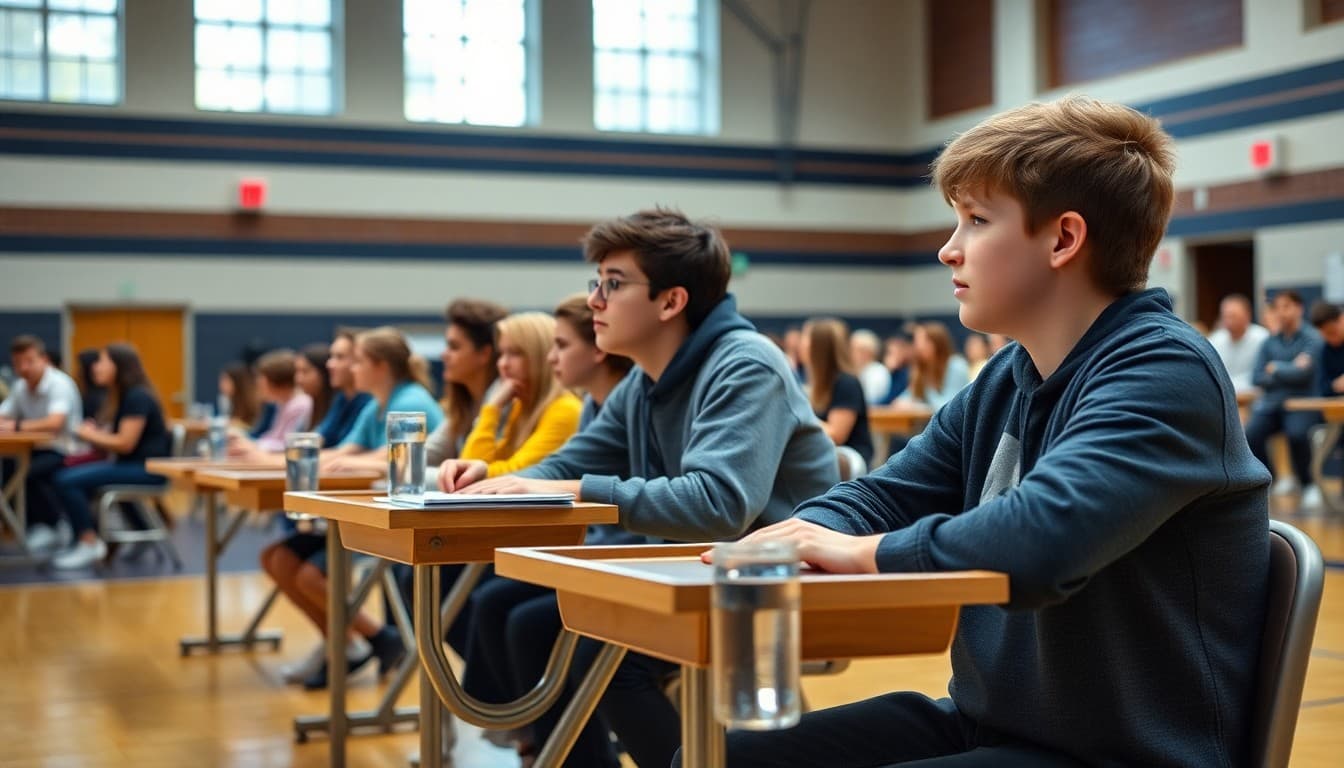
Academic Team Newsletter: What to Include and How to Write It
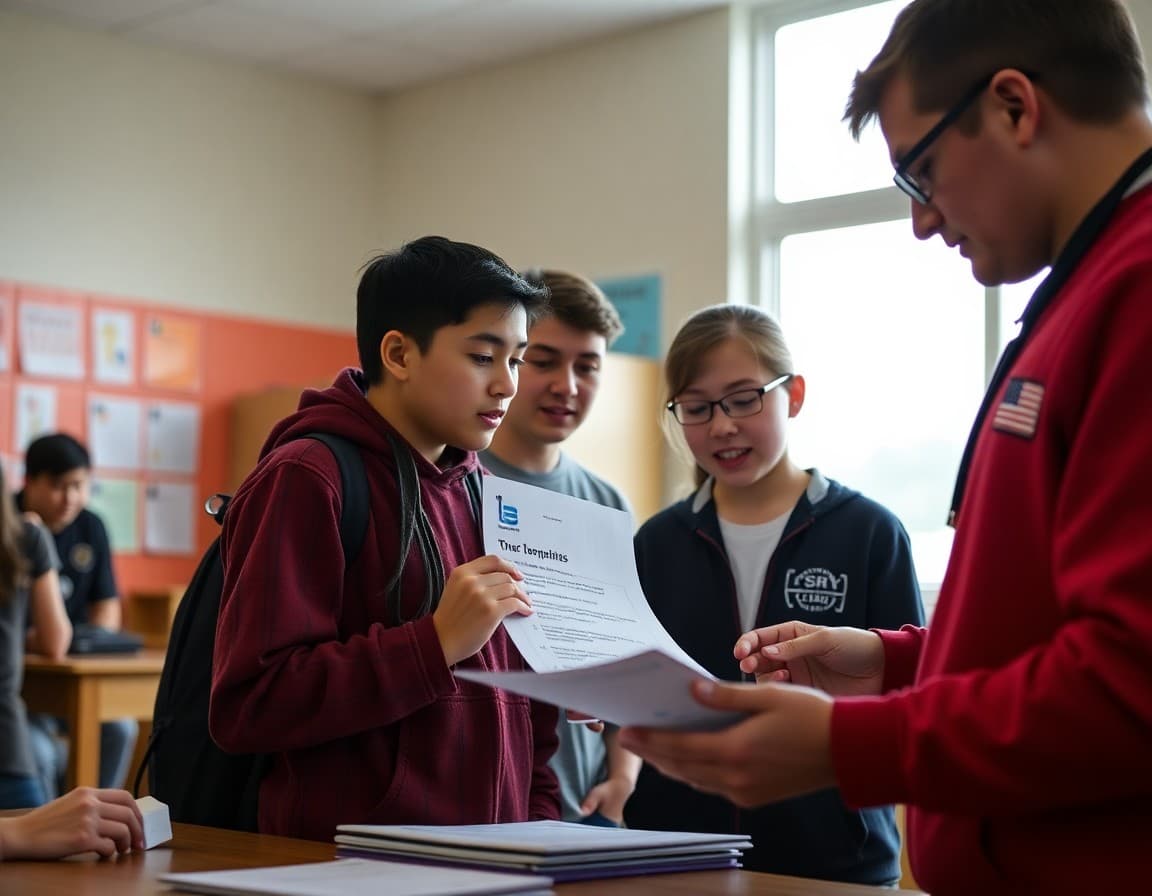
Academic teams, quiz bowl, Science Olympiad, debate, math league, Model UN, and the rest, compete seriously, train consistently, and often win at levels that never get announced over the PA system. A newsletter that covers academic team competition with the same attention that sports coverage receives does real culture work: it communicates that intellectual achievement matters at this school and that students who excel academically are celebrated, not just tolerated.
Cover competition results with the same detail as athletic results
When the debate team wins a regional tournament, that result belongs in the school newsletter with the same prominence as a playoff win. Report the result, name the students who competed, and explain what the achievement means in context: first regional title in seven years, or qualified for state for the second consecutive year. Context turns a number into a story.
Explain what the competition involves
Athletic competitions have familiar formats. Academic competitions often do not. A newsletter that explains what Science Olympiad events involve, how quiz bowl rounds work, or what a debate format requires makes the results legible to families and community members who are unfamiliar with academic competition. When people understand what athletes are doing, they appreciate the achievement more.
Recognize individual contributors specifically
Academic competitions are often team efforts, but individual performance matters within the team. Naming the student who scored highest in a specific event, the debater who won best speaker, or the student who answered the tiebreaker that won the match celebrates individual achievement within a team context. That specific recognition is what students remember.

Build the program's identity in the school community
Academic programs often operate in relative invisibility within the school community. A newsletter that circulates results beyond the team, into the main school newsletter, on hallway displays, over the PA, builds school-wide recognition. When the quiz bowl team is known and celebrated, recruitment is easier, faculty support is stronger, and the students who compete feel the pride of being publicly recognized.
Cover the training, not just the competition
Academic teams practice. They study, prepare, build devices, run drills, and develop skills over months. A newsletter that covers what preparation looks like, the practices, the research, the late sessions before a major competition, communicates the effort behind the results. Families and community members who understand the investment respect the achievement more.
Close the season with recognition and forward momentum
A season-end newsletter that lists competition results, individual awards, senior recognition, and the team's trajectory communicates that the program has a future. Academic teams with strong alumni connections, consistent coaching, and year-over-year recognition build the institutional memory that makes programs last. A newsletter is the primary vehicle for building that memory.
Get one newsletter idea every week.
Free. For teachers. No spam.
Frequently asked questions
What should an academic team newsletter include?
Competition schedules and results, team rosters and member spotlights, subject area updates for programs like Science Olympiad that have multiple events, coach and advisor updates, academic achievement recognition for team members, travel logistics for away competitions, and season-end awards and recognition. Academic competitions deserve the same communication investment that athletic programs receive.
How do academic team newsletters build status and visibility for the program?
By sharing results widely across the school community, not just with team members and their families. When the quiz bowl team wins a regional championship and that result appears in the school-wide newsletter, the program gains visibility and recognition. Academic achievement should be celebrated with the same school-wide attention as athletic achievement.
What is the best frequency for academic team newsletters?
Monthly during the school year with additional editions around major competition dates. Academic competitions are often clustered in specific months, and families benefit from both ongoing updates and event-specific communication. The pre-season newsletter should cover the year's competition calendar and team expectations.
How should academic team newsletters celebrate student achievement?
With specificity. A newsletter that names the student who answered a tiebreaker question to win a match, names the student who scored highest in a Science Olympiad event, or acknowledges a debater who advanced to a final round celebrates individual achievement in a way that general recognition cannot. Specific recognition motivates students and communicates to families that their child's contributions are seen.
How does Daystage help academic team coaches and advisors communicate with families?
Daystage lets advisors send polished newsletters to the academic team community without building mailing lists or designing each edition from scratch. A consistent newsletter through Daystage that covers competitions, achievements, and team news throughout the year builds the school-wide recognition that academic programs deserve alongside athletic ones.

Adi Ackerman
Author
Adi Ackerman is a former classroom teacher and curriculum writer with 8 years in K-8 schools. She writes about school communication, parent engagement, and what actually works in real classrooms.
More for School Culture
Ready to send your first newsletter?
3 newsletters free. No credit card. First one ready in under 5 minutes.
Get started free