

School Newsletter: Financial Literacy Activities for April
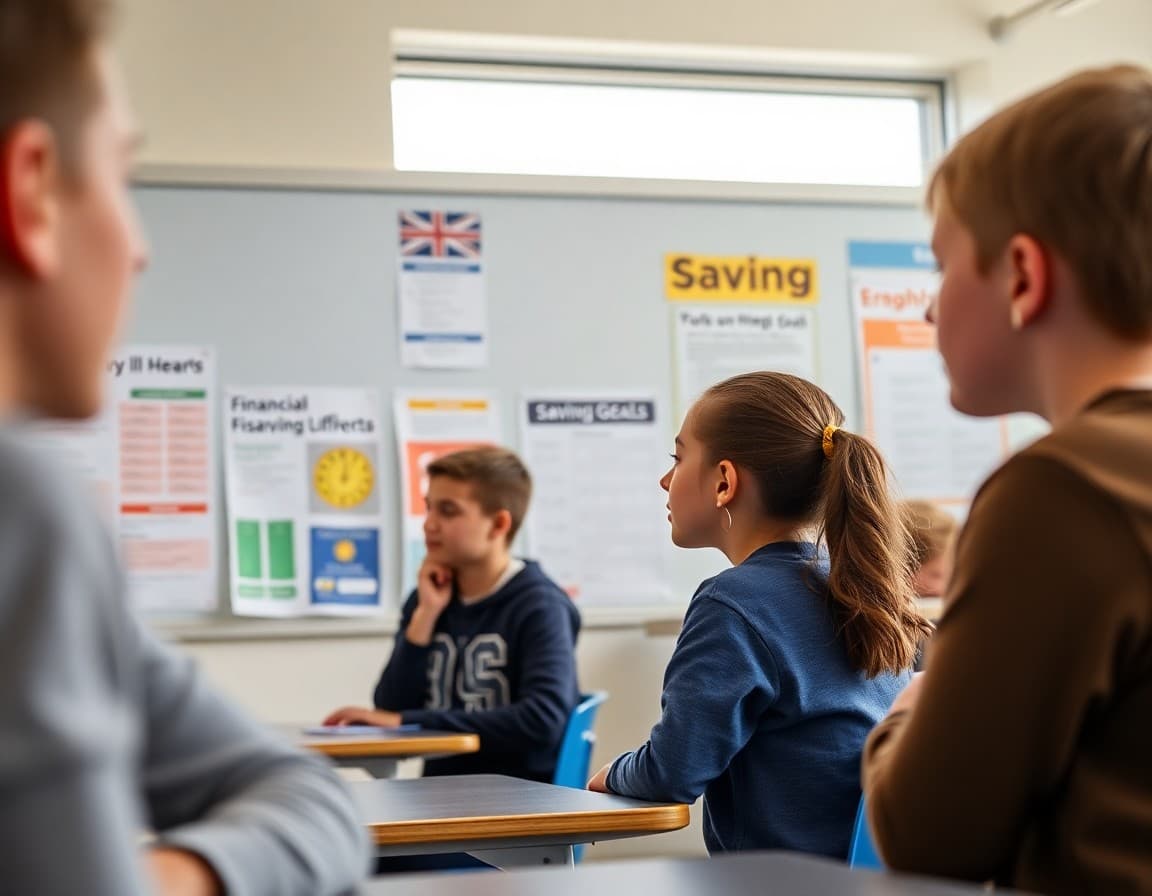
April's financial literacy focus builds on the February foundation, but with a different emphasis: April is when many families are doing taxes and thinking about money in practical, immediate terms. That timing makes April financial literacy programming especially relevant for family conversations at home.
April Financial Literacy Activities
Describe the specific April financial literacy activities happening at your school. High schoolers completing mock tax return exercises. Middle schoolers working on family budget simulations. Elementary students exploring concepts of saving versus spending. Specific descriptions give families a way to extend the classroom work into home conversations.
Tax Season as a Teaching Moment
April is tax season, and it is one of the most natural financial literacy teaching moments for older students. A brief explanation of how taxes work, why we file returns, and what W-2s and 1099s are makes abstract financial citizenship concepts concrete. If your school offers a financial literacy unit connected to the tax season, describe what students are doing and how families can reinforce it at home.
Connecting Learning to Real Family Finances
Give families one specific way to connect April financial literacy classroom learning to real family financial life. Review last month's bank statement together. Set a household savings goal for the spring. Talk about how the family budget works during a meal. These conversations, started with school-provided context, build financial habits that classroom instruction alone cannot create.
College and Career Financial Planning
For high school families, April is one of the most financially significant months of the year: college acceptance decisions, financial aid award letters, and scholarship deadlines often converge. A brief section of the newsletter that points families to resources for evaluating financial aid offers, understanding student loan terms, and comparing true cost of attendance gives families actionable guidance at the moment they need it most.
Community Financial Resources
List two or three free community financial resources: nonprofit credit counseling services, free tax preparation through VITA, first-time homebuyer workshops, financial literacy workshops at the community library. Families who find these resources through the school newsletter are more likely to use them than families who have to search independently.
A Student Financial Challenge
If the school runs a student financial challenge in April -- a savings competition, a personal budget project, a school store simulation -- describe it in the newsletter. Student participation in financial challenges is most meaningful when families understand what their children are doing and can discuss it at home. A newsletter that bridges school activity and family conversation doubles the impact of classroom financial education.
Building Financial Confidence for the Future
Close with a reminder of the long-term goal behind financial literacy education: students who graduate with the confidence and skills to make informed financial decisions, avoid predatory products, and build toward their goals. Financial literacy is one of the highest-impact life skills schools can teach. A newsletter that communicates this clearly helps families see the school's financial education program as genuinely important, not just a nice-to-have curriculum add-on.
Get one newsletter idea every week.
Free. For teachers. No spam.
Frequently asked questions
What should this newsletter cover?
Lead with what your school is specifically doing to observe or celebrate this topic. Then connect it to family action at home, community resources, and who to contact at school for more information. Generic awareness newsletters are ignored. Specific, school-rooted newsletters get read and shared.
When should the school send it?
The week before or the first week of the relevant observance. Families need enough lead time to participate in events, prepare for activities, or have conversations with their children. A newsletter that arrives after the observance has started is contextual but misses the action window.
How do you keep it from feeling generic?
Name specific students, staff, or community members. Share a specific classroom activity in progress. Connect the theme to something real happening in the building this week. Specificity is what separates a newsletter that gets shared from one that gets archived.
Should it include community resources?
Yes, briefly. One or two relevant organizations or helplines, with contact information. Families who find a useful resource in a school newsletter develop trust in the school as a community hub, not just an educational institution.
How does Daystage help send this newsletter?
Daystage lets school staff create a clean, formatted newsletter and send it directly to all families' inboxes. You write the content, Daystage handles the formatting and delivery. Families receive it in their inbox and can reply directly to follow up.

Adi Ackerman
Author
Adi Ackerman is a former classroom teacher and curriculum writer with 8 years in K-8 schools. She writes about school communication, parent engagement, and what actually works in real classrooms.
More for Community Outreach
Ready to send your first newsletter?
3 newsletters free. No credit card. First one ready in under 5 minutes.
Get started free