
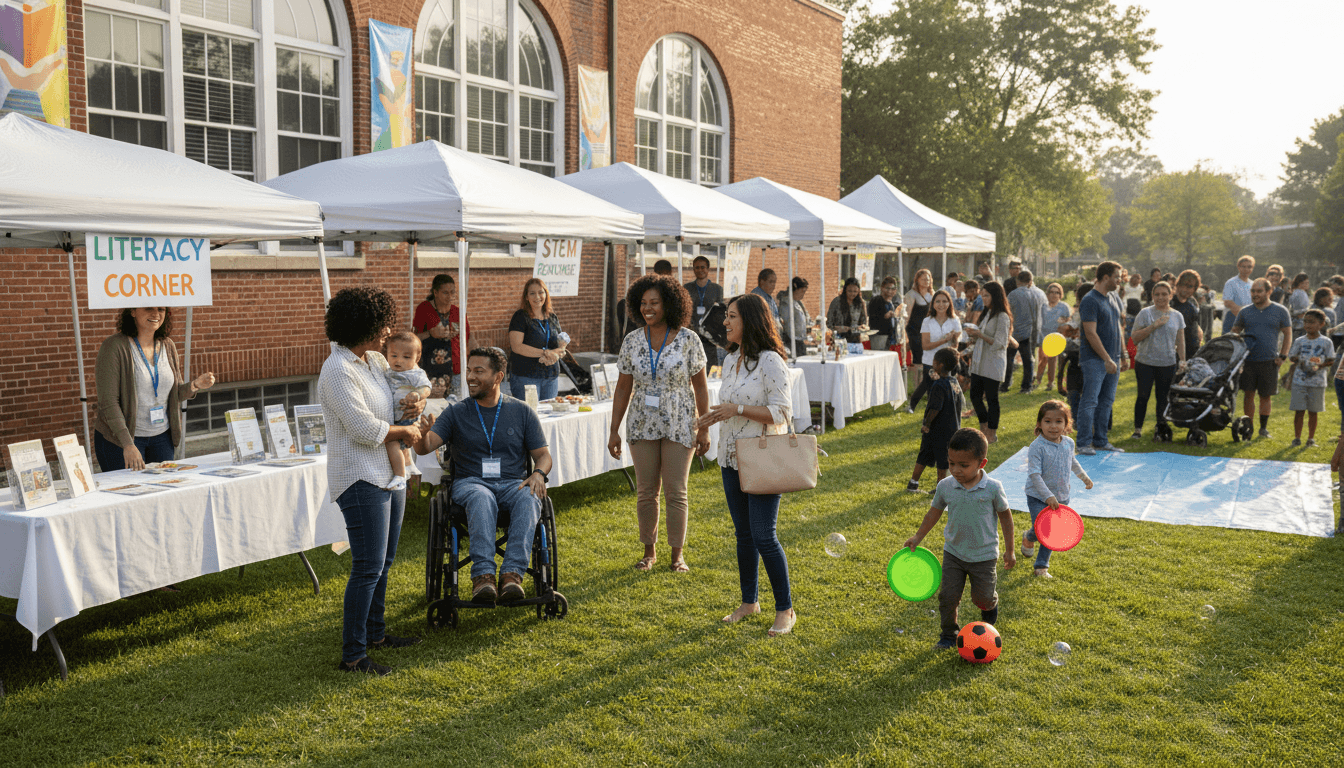
School Garden Community Newsletter: Growing Family and Community Engagement Through a Shared Green Space
A school garden is one of the most community-accessible programs a school can run. It is visible, tangible, and open to participation in a way that most school programs are not. Families who would not attend a curriculum night will show up for a planting day. Neighbors who never enter the school building will walk past and ask what is growing. A garden newsletter capitalizes on that accessibility and turns the garden into a genuine community building tool.
Write the garden newsletter as a community invitation, not a school report
The best school garden newsletters feel like an invitation to participate in something living and real, not a report on a program. Tell readers what is growing right now. Tell them what the students planted last week and what they are watching for. Tell them what the harvest will be used for. That kind of immediate, present-tense content creates engagement in a way that retrospective program descriptions do not.
Make participation easy with specific volunteer opportunities
Garden workdays attract volunteers who know exactly what they are signing up for. A newsletter that says "we need four volunteers on Saturday, May 18 from 9am to noon to help build two new raised beds, no gardening experience required" is far more effective than a general call for garden help. Specific dates, specific tasks, specific time commitments, and a note about what experience level is needed turn interest into action.
Connect the garden to the classroom
Families who understand the curriculum connection to the garden are more supportive of the time the school invests in it. When the newsletter explains that the third grade science class used the garden to study the water cycle, that the math class measured and graphed plant growth, and that the writing class documented the garden through the seasons, the garden becomes an extension of the classroom rather than a separate activity competing for instructional time.
Share the food story
What happens to the produce the garden grows is one of the most compelling details in a garden newsletter. If the school cafeteria uses it in meals, that is a story about students eating food they grew. If produce goes to a school food pantry, that is a story about students feeding families in need. If it is distributed to families at a harvest event, that is a community-building story. Tell whichever version is true for your school. The food story is what makes the garden feel like it matters beyond the curriculum.
Invite neighbors and community members, not just families
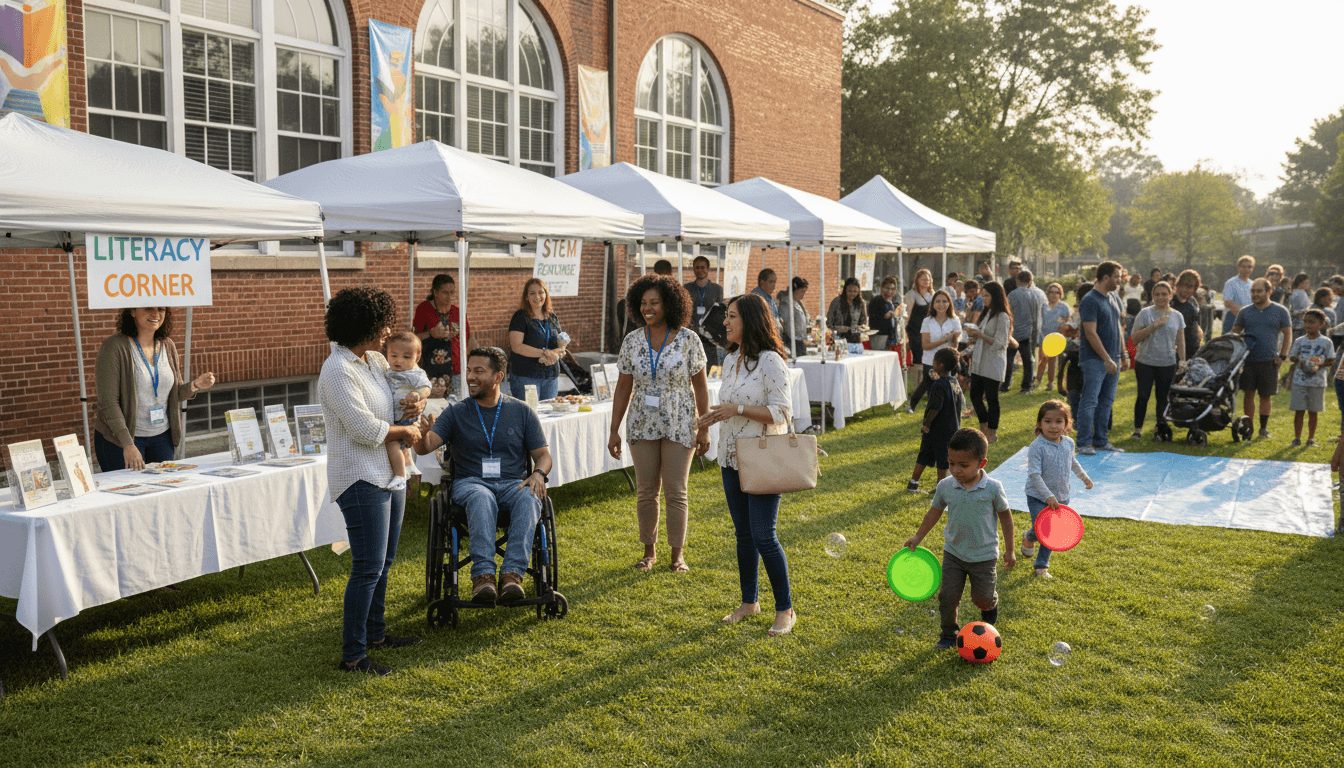
A school garden harvest festival, seed exchange, or open garden morning is an event that neighborhood residents without children in the school can genuinely enjoy and benefit from. Including these events in a newsletter that reaches beyond the school family list builds neighborhood connection to the school in the most organic way possible: through a shared interest in food, growth, and community space.
Get one newsletter idea every week.
Free. For teachers. No spam.
Frequently asked questions
Who should a school garden newsletter reach?
School families who can bring their child to garden workdays, community volunteers who can donate time or supplies, local businesses that might sponsor garden materials, and neighborhood residents who might use the garden produce if there is a community sharing component. A school garden is one of the few school programs that naturally bridges families and the broader neighborhood.
What should a school garden newsletter include?
What is currently growing and what is being harvested, upcoming workday dates and what help is needed, what students are learning in the garden, how produce is used or distributed, donation needs for supplies and materials, and one or two photos of students in the garden if available.
How do you use a garden newsletter to increase community engagement?
Invite the community to participate in something concrete: a planting day, a harvest festival, a seed exchange, or a cooking demonstration using produce. Community events at the school garden are among the lowest-barrier family and community engagement activities because they are informal, accessible, and take place outside rather than in institutional spaces.
How does a school garden newsletter support the academic mission of the garden?
Describe the curriculum connections explicitly. Students who are measuring plant growth are doing mathematics. Students who are researching soil composition are doing science. Students who are writing about the garden ecosystem are doing language arts. Families who understand the learning that happens in the garden are more supportive of the resources it requires.
How does Daystage help schools communicate garden programs to the community?
Daystage supports sending newsletters to community contacts beyond the school family list. A garden newsletter can reach neighborhood associations, local community gardens, and business partners who might sponsor supplies, alongside school families, all from the same platform.

Adi Ackerman
Author
Adi Ackerman is a former classroom teacher and curriculum writer with 8 years in K-8 schools. She writes about school communication, parent engagement, and what actually works in real classrooms.
More for Community Outreach
Community Grant Announcement Newsletter: Communicating New Funding to Families and Partners
Community Outreach · 5 min read
English Language Class for Parents Newsletter: Communicating ESL Programs to School Families
Community Outreach · 5 min read
School Community Coat Drive Newsletter: Running a Warm Clothes Campaign That Works
Community Outreach · 5 min read
Ready to send your first newsletter?
3 newsletters free. No credit card. First one ready in under 5 minutes.
Get started free