
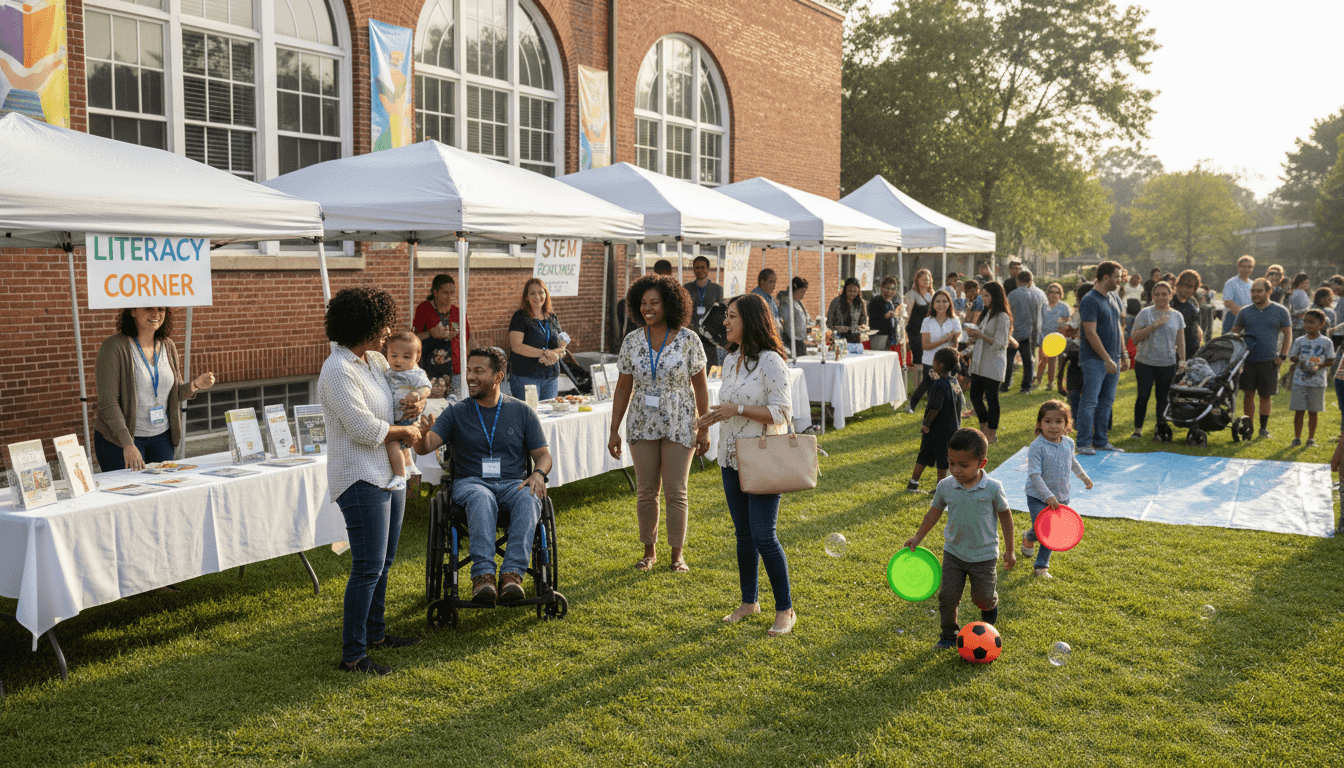
Cultural Festival Newsletter: How Schools Celebrate Community Diversity Through Shared Events
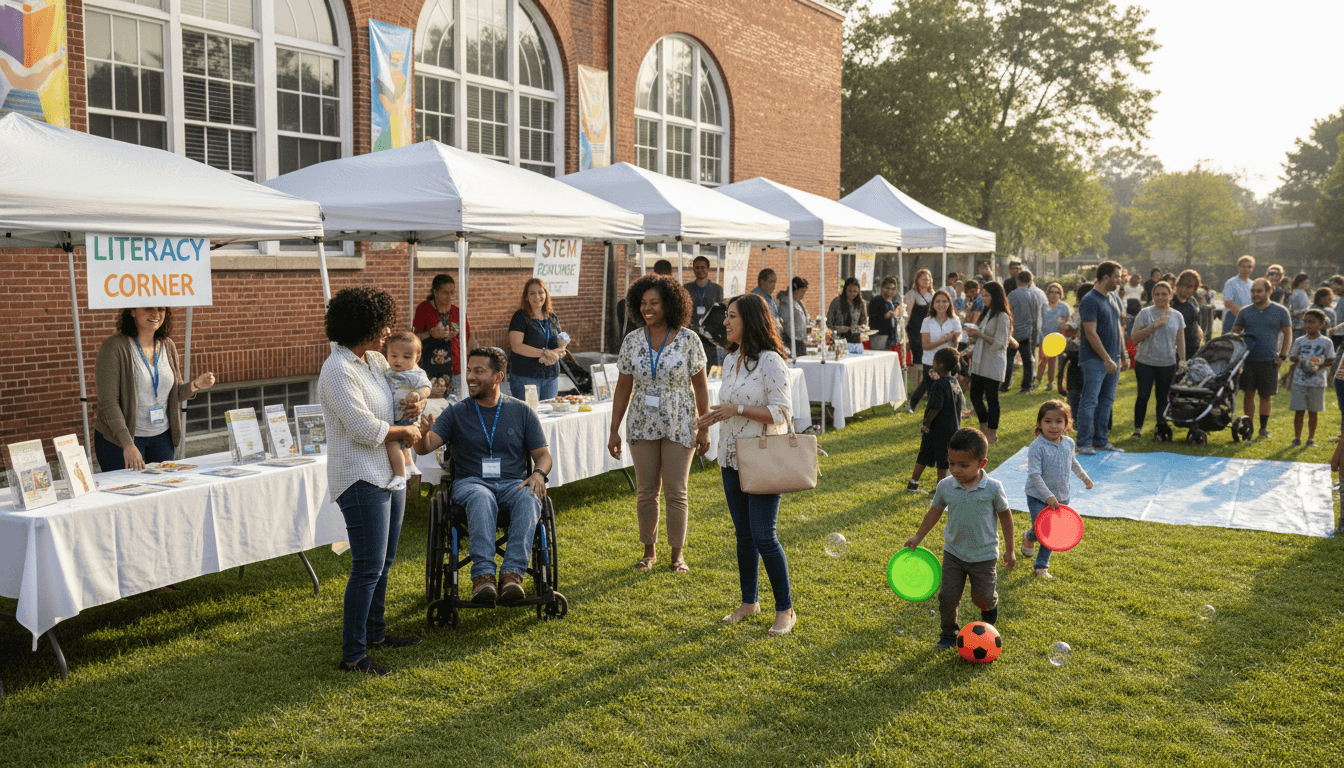
A school cultural festival done well is one of the most powerful community-building events a school can run. Families who have never spoken to each other learn that they share something. Students who felt invisible in the mainstream curriculum see their family's traditions treated as something worth celebrating. And the school community becomes, briefly and meaningfully, larger than the sum of its parts.
The newsletter is how you build that outcome before anyone walks through the door.
The Invitation: Build With Families, Not For Them
The first newsletter about the cultural festival should invite families to help shape it, not to fill slots in an agenda the school has already designed. "We are planning our spring cultural festival and want it to reflect the communities in our school. What would your family like to share? We are looking for food, music, crafts, stories, performances, and anything else that feels right."
That open invitation produces more genuine participation than a structured sign-up form with pre-defined categories. Families who feel that their contribution is genuinely wanted show up differently than families who feel they are filling a checkbox.
Promote the Festival With Specific Sneak Peeks
As families commit to participating, use the newsletter to preview what will be there. "This year's festival will include a traditional dance from a family in our second-grade class, a food tasting table with recipes from six countries, and a storytelling corner." Specific previews build anticipation and signal to other families that the event is genuinely diverse, not one or two token cultures.
Address Inclusivity Proactively
Some families may feel that their culture or background is not welcome or not interesting to the school community. A newsletter that explicitly names inclusivity removes that barrier. "Every family is welcome to participate, regardless of where they are from, how long they have been in this country, or how traditional or contemporary their family's practices are. The festival reflects our community as it actually is, not as a postcard."
Day-Of and Logistics Newsletter
The day-before or morning-of newsletter reminds families of the logistics: time, location, parking, whether children from other classes are attending, and any last-minute participant instructions. Keep it brief and practical.
The Post-Festival Community Story
The newsletter after the festival is a community document. How many families participated? What was represented? What were the moments that stood out? A photo or two (with permissions), a student quote, and a genuine thank-you from the school closes the event's story and sets up the next one.
Get one newsletter idea every week.
Free. For teachers. No spam.
Frequently asked questions
What makes a school cultural festival meaningfully different from a tokenizing cultural event?
A meaningful cultural festival is built with families, not for them. It invites families to define how their culture is represented, not to perform for an institutional agenda. Families choose what food, art, music, or traditions to share. The school does not assign cultures or ask for exoticizing performances. The difference is agency: who decides what gets shared and how it is presented.
How do newsletter invitations for cultural festivals avoid stereotyping?
Avoid language that implies any culture is monolithic. 'Share something from your family's traditions' is more inclusive than 'represent your country.' Culture is personal and multifaceted. A second-generation Mexican-American family may choose to share something very different from what a recent arrival from Mexico would choose, and both are valid. The invitation should make space for that range.
How do you use the newsletter to recruit family participation in a cultural festival?
Make the invitation personal and low-stakes. 'We would love to include your family's traditions in our spring festival. You can share a dish, a piece of music, a craft, or a story about your family's background. Participation looks different for every family. There is no minimum.' That kind of invitation removes the performance pressure and broadens who feels comfortable saying yes.
How do you report on a cultural festival in the post-event newsletter?
Tell the stories. How many families participated? Which traditions were shared? What did students say about what they learned? A quote from a student who discovered something about a classmate's background during the festival is worth a page of institutional summary. Make the community feel the impact of what it built together.
How does Daystage support cultural festival communication?
Daystage sends festival newsletters in every home language represented in the school community, which is essential for inclusive cultural festival outreach. Families who receive the invitation in their home language are more likely to feel that their culture is genuinely welcome, not merely acknowledged.

Adi Ackerman
Author
Adi Ackerman is a former classroom teacher and curriculum writer with 8 years in K-8 schools. She writes about school communication, parent engagement, and what actually works in real classrooms.
More for Community Outreach
Alumni Community Newsletter: How Schools Can Engage Graduates as Community Partners and Mentors
Community Outreach · 5 min read
Senior Citizen Partnership Newsletter: How Schools Build Intergenerational Community
Community Outreach · 5 min read
Refugee Family Welcome Newsletter: How Schools Can Communicate Support for Newly Arrived Families
Community Outreach · 6 min read
Ready to send your first newsletter?
3 newsletters free. No credit card. First one ready in under 5 minutes.
Get started free