
Public Library School Partnership Newsletter: Reading Together
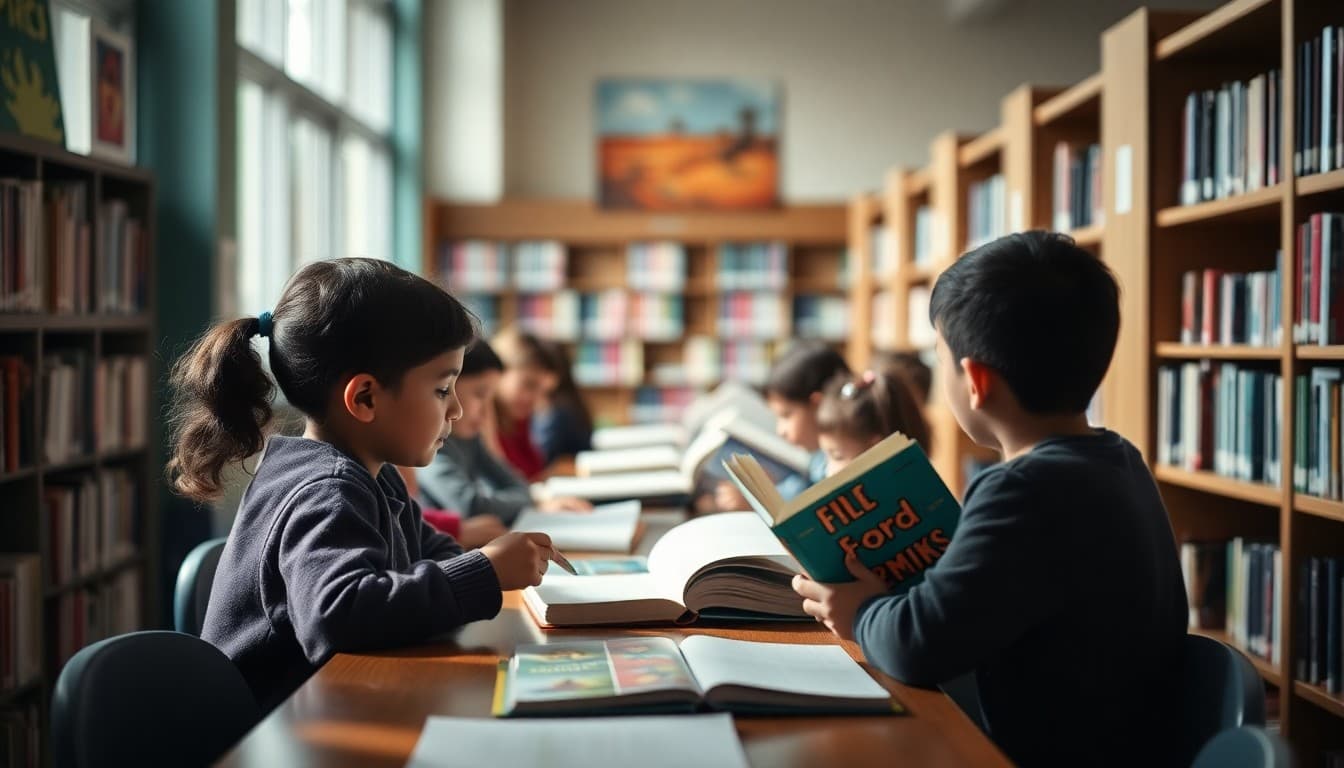
Public libraries and schools share the same fundamental goal: a community of confident, curious, lifelong readers and learners. But many families treat the library as a separate institution from school rather than a direct extension of it. A school-library partnership newsletter bridges that gap. It shows families that the library is actively aligned with what students are learning and provides specific, accessible steps to take advantage of resources that are free and often untapped.
The Underutilized Partner Right Down the Street
The average public library provides significantly more resources than most families realize. Beyond a collection of physical books, libraries offer digital databases that would cost hundreds of dollars for individual subscriptions, ebook and audiobook platforms, STEM activity kits for checkout, museum passes, career resources, and free programming for every age group. A family that understands what their library card actually unlocks is in a fundamentally different position than one that views the library as a place to pick up books. Your newsletter's job is to show families the full picture of what they already have access to, free, because their taxes fund it.
Library Cards: How to Get Every Student Connected
Many students do not have library cards. Some families have never visited the local branch. A school-library partnership can address this directly through a group sign-up facilitated during the school day or at a back-to-school event. Describe the specific process in your newsletter. If the library is sending a staff member to the school to process applications on a specific date, say when and what families need to return to complete the card. If families can do it online, include the URL. If families need to visit in person and bring proof of address, give them the address and hours. Specificity converts intention into action.
What the Library Offers That Schools Cannot
School libraries serve the curriculum. Public libraries serve curiosity at large. A student who has finished every book at the same reading level in the school library can find hundreds more at the public library. A student who wants to read about marine biology, ancient Egypt, video game design, or poetry has shelf after shelf waiting for them. Beyond books, public libraries offer free STEM programs, art activities, computer access, 3D printing in some branches, and quiet study spaces with WiFi that are particularly valuable for students in crowded homes. The library is a resource school budgets cannot replicate. Connecting families to it is one of the highest-impact things a school newsletter can do.
Summer Reading Programs and Learning Loss Prevention
Students who do not read over the summer lose an average of two to three months of reading progress. The loss is cumulative. By fifth grade, a student who does not read over summers has lost nearly a full year of learning compared to peers who maintain reading habits. Public libraries' summer reading programs provide an incentive structure, a community of readers, and access to books that directly counteract this loss. Schools that actively promote summer reading programs in May newsletters, provide sign-up assistance, and celebrate library participation in September are doing one of the most cost-effective learning interventions available.
Sample Template Excerpt
Here is a section you can adapt for your own newsletter:
Your Library Card Is a Learning Superpower. Here Is How to Use It.
Our school has partnered with the Maplewood Public Library to help every student get connected to free resources that extend learning beyond the school day.
Getting a library card: Bring this newsletter and a piece of mail showing your address to any Maplewood Library branch. Students under 18 need a parent or guardian present. The card is free. If you already have a card from another library system, ask at the desk whether it transfers to Maplewood.
What your card unlocks: Free books and ebooks (thousands, via the Libby app). Audiobooks for every age. Free database access for school research papers. Museum passes. Free afterschool programs every Tuesday and Thursday at the Main Street branch.
Coming to our school this month: A librarian from Maplewood is visiting every classroom this October to introduce students to the library's new Maker Space and STEM kit checkout program. Ask your child about it when they come home on October 14th or 15th.
Coordinating the School and Library Collections
The most sophisticated school-library partnerships involve coordination between school librarians and public librarians on collection development. When a class is studying the Civil Rights Movement, a public librarian can prepare a reserve list of books on the topic that students can request. When the school adopts a new required reading list, the library can ensure those titles are adequately represented in the physical and digital collection. This kind of behind-the-scenes coordination benefits students without requiring any visible organizational effort from families. Your newsletter can acknowledge that this coordination happens and describe the benefit it creates for students who want to explore beyond the required texts.
Family Events That Bridge School and Library
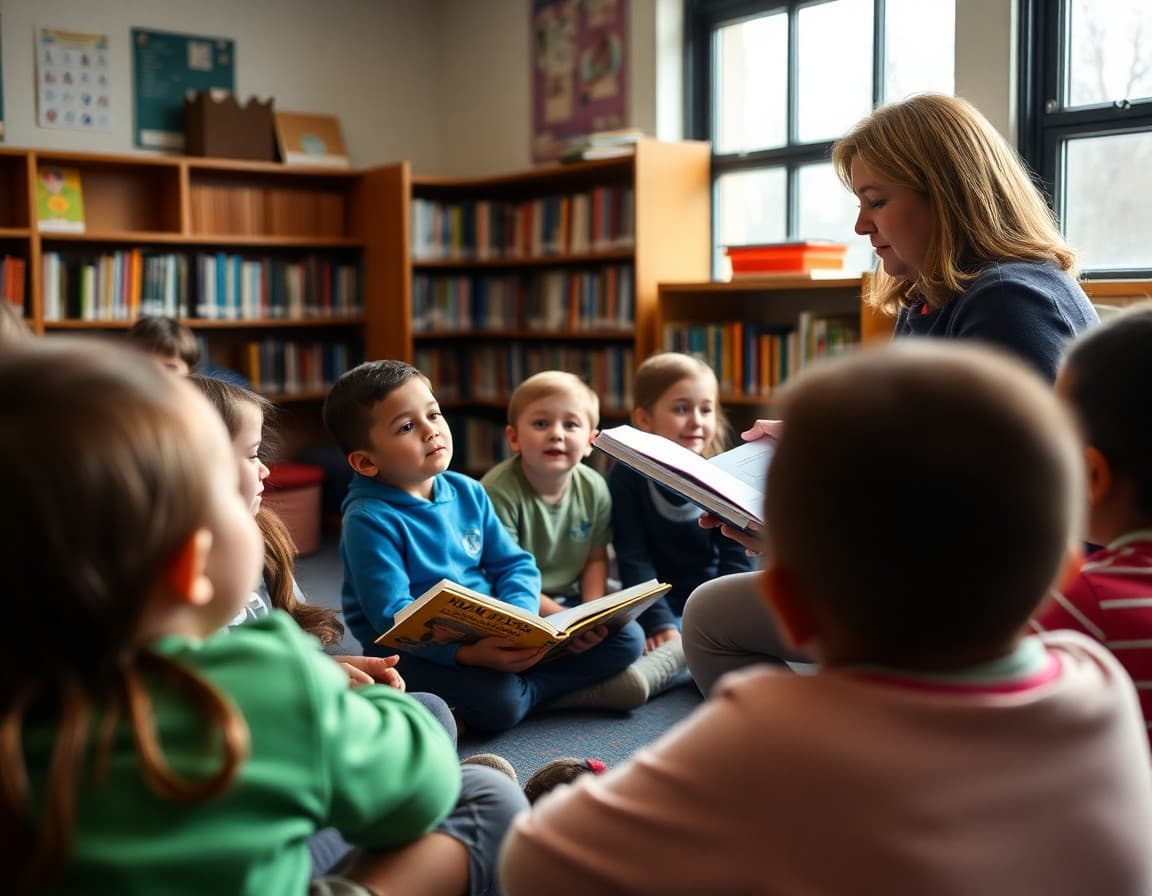
Co-hosted events between the school and library build community in ways that either institution alone cannot achieve. A family literacy night held at the library introduces families to the space, staff, and resources in a low-pressure social setting. An author visit co-sponsored by the school and library reaches both daytime school audiences and evening family audiences. A summer reading kickoff at the school in late May, run by library staff, creates a direct handoff between the school year and summer learning. These events work because they combine the school's reach with the library's programming expertise. Your newsletter is the communication tool that makes sure families know they are happening and feel invited to attend.
Get one newsletter idea every week.
Free. For teachers. No spam.
Frequently asked questions
What do school-library partnerships typically include?
Common school-public library partnerships include class visits where students receive library card sign-ups and orientation, summer reading program promotion with school endorsement, school curriculum support through reserve collections and class sets, author visits co-funded by both institutions, digital resource access including databases and ebooks available to students with library cards, afterschool homework help programs, and family literacy events co-hosted by the school and library.
How do you help families get library cards for their children?
Many public libraries allow schools to facilitate group library card sign-ups. A library staff member visits the school with sign-up forms, parents complete them and return with proof of address, and cards are mailed or available for pickup within a week. Some libraries accept school enrollment as proof of residency for students, making the process even simpler. Your newsletter should include the specific steps for your local library rather than general guidance. A family that knows exactly what to bring and where to go is far more likely to complete the process.
What digital resources are available through library cards that students can use for school?
Most public libraries now offer extensive digital resources accessible with a library card. These include ebook and audiobook collections through apps like Libby, research databases for school papers like JSTOR, ProQuest, and World Book, online learning platforms like Lynda.com or Rosetta Stone, and digital magazines and newspapers. Many students and families are unaware these resources exist and pay for commercial alternatives when the library provides the same content free. Your newsletter can close that knowledge gap.
How does a school-library partnership help with summer learning loss?
Summer learning loss, the loss of academic skills over the summer months, is most pronounced in reading and is significantly worse for students without access to books and enrichment activities. Library summer reading programs provide structured incentives for reading, free access to books, and library events that maintain engagement with learning through June, July, and August. Schools that actively promote summer library programs and provide sign-up assistance in May see measurably better fall reading assessment results than those that do not.
How can Daystage support school-library partnership communication?
Daystage makes it easy to send library partnership updates at key moments: a back-to-school card sign-up announcement, a summer reading program kickoff in June, and a fall reading challenge launch in September. Including the library's program details, registration links, and hours in a professionally formatted newsletter that every family receives ensures the library's resources reach families who would not otherwise discover them through the library's own marketing.

Adi Ackerman
Author
Adi Ackerman is a former classroom teacher and curriculum writer with 8 years in K-8 schools. She writes about school communication, parent engagement, and what actually works in real classrooms.
More for Community Outreach
Ready to send your first newsletter?
3 newsletters free. No credit card. First one ready in under 5 minutes.
Get started free