
How to Write a Valentine's Day Classroom Newsletter to Parents
Valentine's Day in an elementary classroom requires more advance communication than most teachers expect the first time they navigate it. A student who receives three valentines while another receives twenty is a social problem you do not want to manage on February 14th. A parent who sends in candy lollipops when your classroom has a peanut restriction creates a different problem. A clear, early Valentine's Day newsletter prevents both.
Send the newsletter at least a week before
Valentine's Day cards are typically purchased and written at home. Families need time to buy them, write one for every student, and remember to send them to school on the right day. A newsletter sent the week before gives enough runway for all of this to happen without stress. A newsletter sent two days before does not.
Explain the exchange format
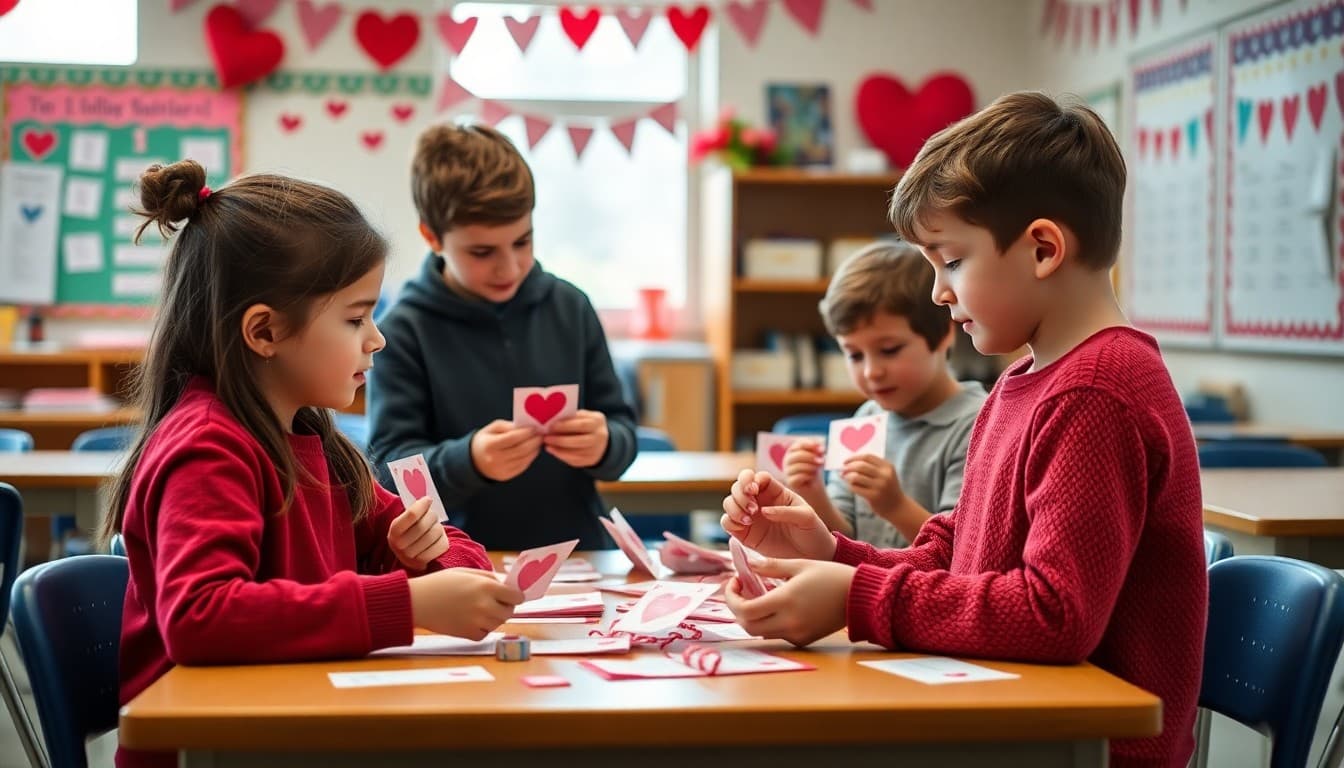
Tell families exactly what you are doing. "We will have a brief classroom card exchange on February 14. Each student who participates will give one card to every student in the class. We will have a time to distribute them during the afternoon." This sets the expectation that cards are for the whole class and removes any ambiguity about whether partial participation is okay.
State the all-or-none policy clearly
"If your student brings valentines, they should bring one for every student. I have attached a class list below with first names so you know who to include." That one sentence prevents the painful scenario of a student who receives only a few cards while watching their classmates open many. Most families expect and appreciate this guidance.
Cover treats and candy explicitly
If cards with attached candy are allowed, remind families of your allergy restrictions. If only non-food items are allowed, say so. "Our classroom is peanut-free and tree nut-free. If your student's cards include candy, please check that the candy is safe under our policy. If you are unsure, a small pencil, sticker, or card without candy attached is always a great option."
Address opt-out clearly and privately
Some families observe Valentine's Day differently or not at all. A brief, respectful mention in your newsletter signals that you have thought about this. "If your family does not observe Valentine's Day or prefers that your student not participate in the exchange, please let me know privately. I will make sure they are comfortable and included in a way that works for your family." Most families who receive this kind of acknowledgment respond with gratitude rather than requesting an opt-out.
Mention what else is happening that day
Valentine's Day is often paired with other classroom activities. If you have a craft, a reading activity, a related lesson, or any schedule change, include it. Families who know the full picture can prepare students appropriately and know whether anything special is needed beyond the cards.
Include the class name list
Attach or embed a first-name list of every student in the class. This single addition makes the card-writing task significantly easier for families and prevents the problem of valentines addressed to the wrong name or missing a classmate. Families who have the list use it. Families who do not may buy a box that only has twenty cards for a class of twenty-four.
Daystage lets you attach a class name list directly to your Valentine's Day newsletter so families have everything they need in one email. No separate attachment to hunt for and no request to email you the class list individually.
Get one newsletter idea every week.
Free. For teachers. No spam.
Frequently asked questions
What should I include in a Valentine's Day classroom newsletter?
Whether you are exchanging cards, what the format is, whether the whole class must be included, any treat or candy restrictions, what activities you have planned, and what families need to prepare. Cover this at least a week before the holiday so families have time to plan.
Do I need to require that every student gets a valentine?
This is standard practice in most elementary classrooms because the alternative, students receiving different numbers of valentines, creates obvious social pain. If you are doing a classroom exchange, the expectation should be one card for every student or no cards at all. Your newsletter should state this policy plainly.
What if some families prefer not to participate for religious or personal reasons?
Acknowledge this in your newsletter and offer an opt-out path. 'If your family does not observe Valentine's Day, your student does not need to participate in the card exchange. Please let me know privately and I will make sure they are comfortable during that part of the day.'
Should I allow candy or food treats on Valentine's Day?
State your policy clearly and connect it to your classroom allergy restrictions. If you allow candy, remind families of specific allergen restrictions. If you prefer non-food items, suggest specific alternatives. Ambiguity results in families bringing things you were not expecting.
Can Daystage help me send a Valentine's Day class list to families for card writing?
Yes. You can embed or attach a class name list in your Daystage newsletter so families have the correct spelling of every student's name without having to email separately.

Adi Ackerman
Author
Adi Ackerman is a former classroom teacher and curriculum writer with 8 years in K-8 schools. She writes about school communication, parent engagement, and what actually works in real classrooms.
More for Classroom Teachers
Ready to send your first newsletter?
3 newsletters free. No credit card. First one ready in under 5 minutes.
Get started free