
Third Grade Supply List Newsletter: How to Communicate School Supply Needs to Families
The supply list newsletter arrives in families' inboxes in the heart of summer, often before parents have had a chance to fully shift from vacation mode to school mode. Getting this newsletter right matters more than most teachers realize. A clear, well-organized supply list newsletter makes families feel prepared and welcomed. A confusing or incomplete one generates a flood of questions and can set a frustrating tone before school even starts.
Start with a Brief Welcome Before the List
Resist the urge to open with the list itself. A supply list that arrives without context feels like a bill rather than an invitation. Spend two or three sentences welcoming families to the new school year and setting a warm tone. Let parents know you are looking forward to meeting their child, and frame the supply list as part of a practical set of preparations that will help everyone start the year ready.
This small addition costs nothing but three sentences and meaningfully changes how the newsletter lands in a family's hands. Parents who feel welcomed are more likely to read the whole message and less likely to just skim the list and miss important details.
Organize the List by Category
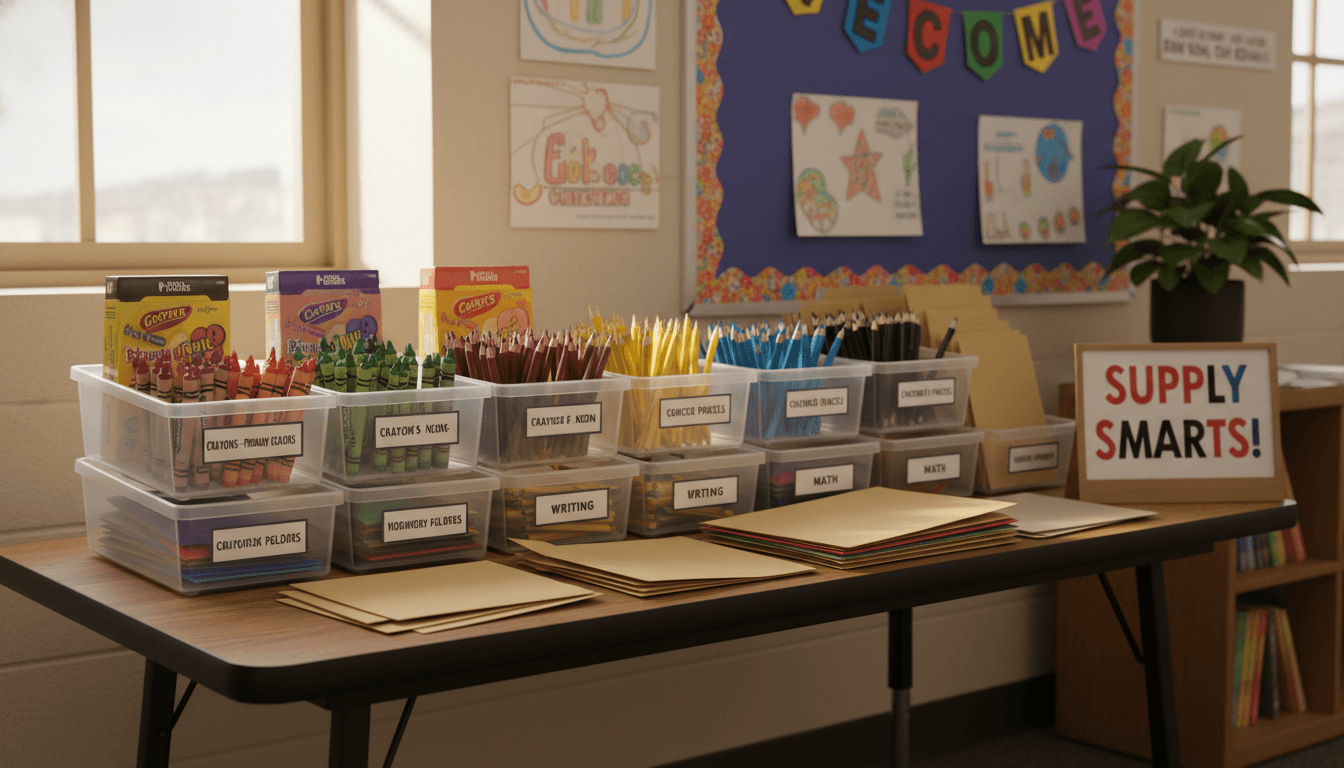
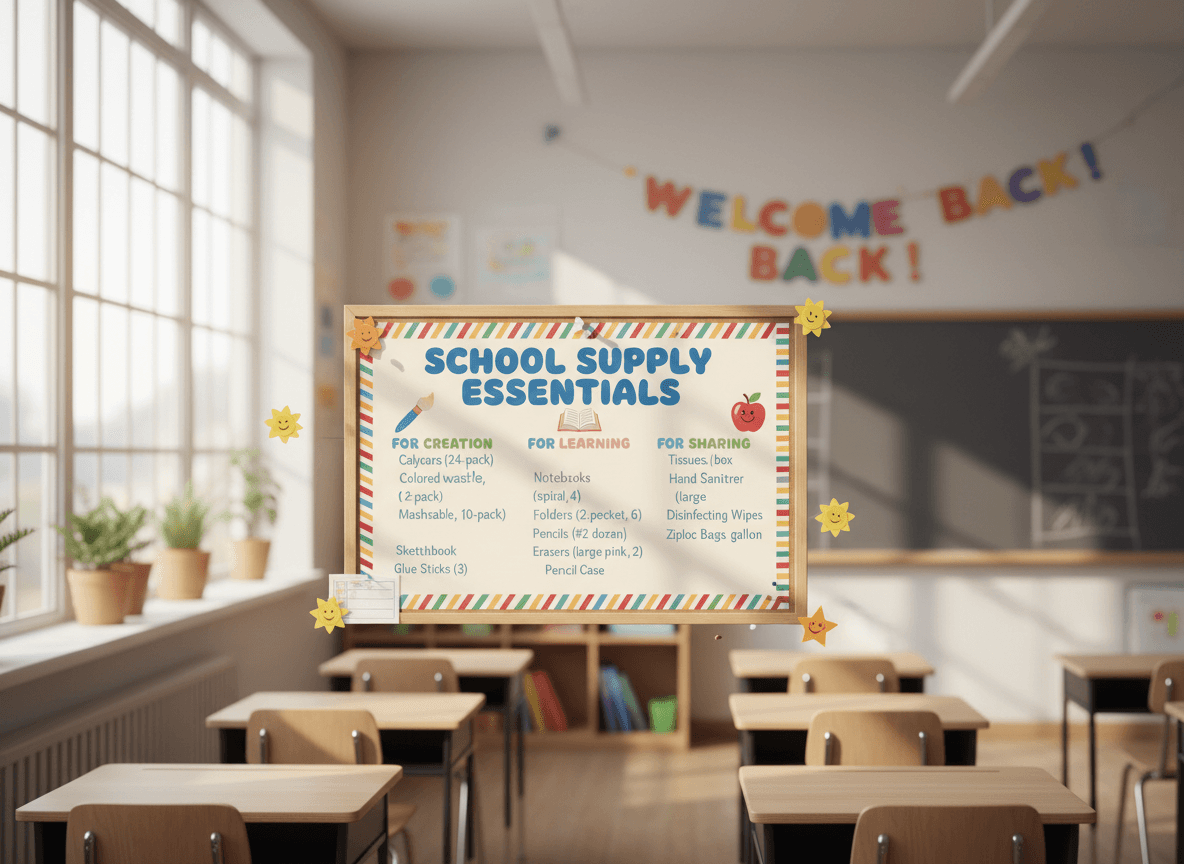
A supply list presented as a single undifferentiated column of items is hard to shop from. Organize your list into categories that correspond to how families will actually find the items: writing tools, paper and notebooks, art supplies, organizational materials, and optional donations. This structure makes the list scannable and helps parents check items off as they shop without losing their place.
Categories also make it easier to identify what matters most. If a family is budgeting carefully, they can see at a glance which category they need to prioritize and which items they might be able to wait on or repurpose from last year.
Explain Why Specific Items Are on the List
When a supply list asks for unusual or specific items, parents appreciate a brief explanation. Why do you need a specific size of composition notebook rather than any spiral notebook? Why do students need headphones rather than earbuds? Why do you want crayons rather than colored pencils for this grade level?
You do not need to justify every item. But for anything that might seem unusual or that has a specific requirement, one sentence of context prevents unnecessary substitutions and reduces the follow-up questions you will get in the first week of school. It also signals that every item on the list has a purpose, which encourages families to take it seriously.
Distinguish Between Individual and Shared Supplies
Some third grade teachers pool supplies for shared classroom use. Others have students keep supplies in individual pencil pouches or desks. If you pool any supplies, make that clear so families understand they are contributing to the classroom community rather than expecting items back at the end of the year.
Equally important: if some items are individual and others are shared, label that in the list itself. Parents who expect their child to have their own box of markers will be confused if those markers end up in the class supply bin. Clear labeling prevents confusion at drop-off and the resulting hurt feelings when a child cannot find "their" supplies.
Address What Students Should Not Bring
A brief "please do not bring" section saves significant classroom management headaches. Third graders are at the age where they want to bring fidget toys, collectible cards, mechanical pencils that break every 20 minutes, and fragile items that cause arguments. Name the most common culprits.
Frame this positively rather than as a list of prohibitions. "To keep our classroom focused and prevent lost or broken items, please leave toys, collectibles, mechanical pencils, and personal art supplies at home. Anything not on the supply list is better kept safe until after school" is kinder and clearer than a blunt do-not-bring list.
Include Information for Families Who Need Support
Supply costs add up quickly, and not every family can afford the complete list before school starts. Your newsletter should acknowledge this reality with warmth rather than silence. Let families know that supply assistance is available through the school office if needed, and that no student will be without materials on the first day regardless of circumstances.
If your school has a specific program for supply support or if you are personally willing to provide starter materials, say so. Removing the barrier of asking is one of the most supportive things a teacher can do for families navigating financial stress.
Tell Families What to Expect on Drop-Off Day
Where should supplies be dropped off? Should they be labeled with the student's name? Should items be left in a bag or unpacked into specific locations? What time does the classroom open for early drop-off? These logistics matter on a busy first-day morning.
A short paragraph at the end of your supply newsletter covering first-day logistics reduces the chaos of 25 families arriving at once with questions. It also gives the newsletter a satisfying structure: here is what to buy, here is what to expect, and here is what happens next. That arc of information is how parents want to receive a new school year.
Get one newsletter idea every week.
Free. For teachers. No spam.
Frequently asked questions
What should a third grade supply list newsletter include beyond the list itself?
Beyond the list, include an explanation of how supplies will be used, whether any items are shared as a class versus kept individually, where to drop off supplies on the first day, and what to do if a family cannot afford certain items. This context prevents confusion and makes the list feel welcoming rather than transactional.
How specific should I be about brand names on the supply list?
Be specific when it genuinely matters and flexible when it does not. If you need a specific type of marker that does not bleed through paper, name it. If any brand of pencil will do, say 'any brand.' Unnecessary specificity creates stress for families shopping on a budget. Necessary specificity saves teachers from managing supplies that do not work.
When should I send the supply list newsletter?
Send it at least two to three weeks before the school year starts. Late July or early August is ideal for a fall start. Families need time to shop and budget. A list that arrives two days before school begins puts families in a difficult position and starts the relationship on a stressful note.
Should I mention supplies that the school or classroom provides?
Yes. Naming what students do not need to bring reduces duplicate purchases and helps families with limited budgets prioritize. If your classroom provides scissors, say so. If the school supplies student planners, note it. This information is genuinely useful and appreciated.
What newsletter tool works best for sharing the third grade supply list?
Daystage is useful for supply list newsletters because you can format the list cleanly, include photos of specific items when helpful, and send it directly to your class families. Having the supply list in the same platform as your other newsletters means parents can find it easily throughout the year when they need to replace something.

Adi Ackerman
Author
Adi Ackerman is a former classroom teacher and curriculum writer with 8 years in K-8 schools. She writes about school communication, parent engagement, and what actually works in real classrooms.
More for Classroom Teachers
Third Grade Curriculum Overview Newsletter: What to Cover and How to Say It
Classroom Teachers · 6 min read
Third Grade Classroom Rules Newsletter: Communicating Your Norms and Expectations to Families
Classroom Teachers · 5 min read
What Parents Expect in a Back-to-School Newsletter from Teachers
Back to School · 6 min read
Ready to send your first newsletter?
3 newsletters free. No credit card. First one ready in under 5 minutes.
Get started free