

Third Grade Classroom Rules Newsletter: Communicating Your Norms and Expectations to Families
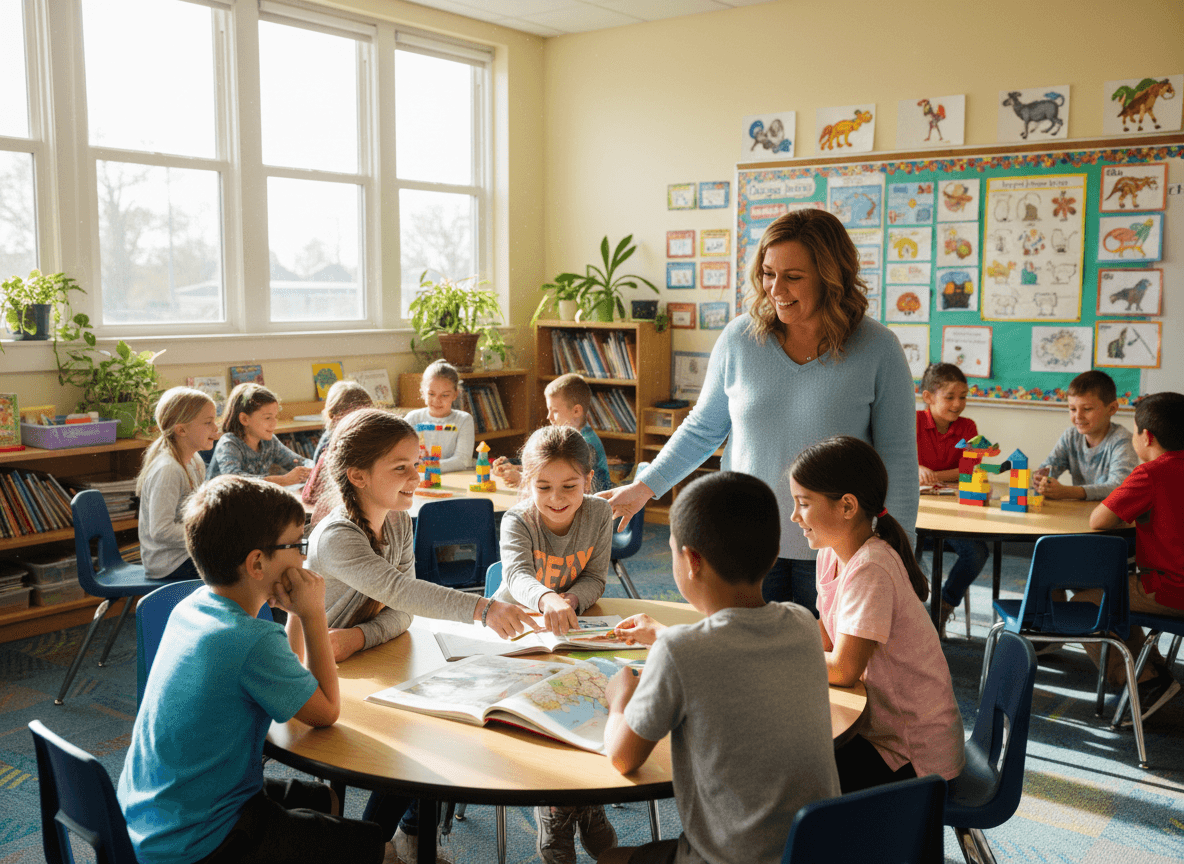
Classroom rules exist for a specific reason: to make the space safe, predictable, and productive for every student. But rules do not live only in the classroom. When parents understand and reinforce the same expectations at home, the behavioral foundation students build at school gets stronger. A classroom rules newsletter is one of the most direct ways to build that bridge. This guide covers what to include, how to explain your thinking, and how to make the newsletter feel like an invitation rather than a policy briefing.
Explain Where the Rules Come From
The most effective classroom rules newsletters explain the origin of the rules before listing them. Did you develop them yourself based on years of experience? Did students help create them during the first week of school? Are they derived from a school-wide program like PBIS or Responsive Classroom? Each origin story tells parents something meaningful about how your classroom works.
If students co-created the rules, say that explicitly. "Our class spent the first week discussing what kind of community we wanted to build, and these five agreements came from that conversation" is a powerful opening line. It signals that your classroom is not autocratic. It shows that students have voice. And it immediately positions parents as allies in a process their child was already part of.
List the Rules with Concrete Examples
Rules written as abstract principles can mean different things to different families. "Be respectful" is a rule, but what does it look like in your classroom specifically? Does it mean raising your hand before speaking? Using kind language when disagreeing with a classmate? Treating shared materials carefully? Your newsletter should define each rule through the lens of observable behavior.
Keep the examples brief but specific. One to two sentences per rule is usually enough. "Be responsible means completing and returning homework on the day it is due, taking care of classroom materials, and telling a trusted adult when something goes wrong" gives parents a working definition they can reference at home.
Connect Rules to Your Classroom Procedures
Rules and procedures work together. Procedures are the specific routines that make the rules operational. If your rule is "respect our learning environment," your procedures might include how students enter the classroom in the morning, how they transition between subjects, and how they request help when stuck. Naming a few key procedures helps parents see how the abstract rules translate into daily life.
You do not need to list every procedure in the newsletter. Pick the three or four that parents are most likely to hear about from their child and explain those. Morning arrival, homework submission, and what happens when a student needs to use the restroom are commonly relevant at home.
Describe What Consistency Looks Like
Parents often want to know: what happens when the rules are not followed? And they want to know this even more urgently if their child has struggled with behavior in the past. Your newsletter should describe your approach to consistency in a way that is honest but not alarmist.
Let families know that your goal is always to help students get back on track rather than to punish them, that you apply expectations consistently to everyone, and that you will be in touch if a pattern of behavior needs a conversation. Parents who know what to expect from you are less likely to feel blindsided when they get a note home.
Ask for Parent Support at Home
The classroom rules newsletter is an ideal place to ask families to reinforce school expectations at home. Keep this ask specific. "If your child mentions a conflict with a classmate, encourage them to name how they handled it and what they would do differently next time" is more useful than "please support our classroom values."
You might also suggest that families review the rules with their child and ask which one feels most important to them personally. That conversation connects the classroom community to the home in a way that is meaningful for eight-year-olds who are still figuring out their own values.
Acknowledge That Rules Require Practice
Third graders are not rule-following machines. They are curious, impulsive, social, and developing. A classroom rules newsletter that acknowledges this reality is more credible than one that implies perfect compliance is expected from day one. Let parents know that you understand behavior is a skill that requires practice, feedback, and patience.
A sentence like "third graders are still building the self-regulation skills these rules require, and I expect we will all need to practice them together throughout the year" is honest, developmentally appropriate, and reassuring. It tells parents that you are a realistic adult who knows eight-year-olds are eight-year-olds.
Close with an Invitation to Discuss
End your classroom rules newsletter by inviting families to reach out with questions, concerns, or context you should know about their child. Some families will have information about their child's previous experiences with classroom norms that would be valuable for you to know early. Others may have cultural or family values they want you to understand.
The classroom rules newsletter is not the final word on behavior in your room. It is the opening of a conversation that will continue all year. Framing it that way in your closing paragraph sets the right tone and keeps communication lines open from the very first week.
Get one newsletter idea every week.
Free. For teachers. No spam.
Frequently asked questions
What is the difference between classroom rules and classroom procedures?
Rules describe the values and behavioral expectations that govern how everyone in the classroom treats each other. Procedures are the specific routines for how things get done, like how to line up, where to turn in work, or what to do when you finish early. Both belong in a classroom communication to families, but they serve different purposes.
Should students help create classroom rules?
Many teachers involve students in creating classroom rules at the start of the year and then communicate those student-generated rules to parents. When the newsletter reflects rules that students helped craft, parents see that the classroom is a community rather than a top-down system. It also gives students genuine ownership of the expectations.
How many classroom rules should I list in the newsletter?
Three to five is the research-backed range. Fewer rules are easier to remember and apply across situations. If your list has 15 items, you are describing procedures rather than principles. Consolidate where you can and use your newsletter to explain the reasoning behind each one.
How do I explain rules to families from different cultural backgrounds?
Frame rules around shared values rather than cultural assumptions. Expectations like 'treat others with respect' and 'take responsibility for your work' translate across backgrounds. If any rule could be interpreted differently by different families, spend a sentence explaining what it looks like in your classroom specifically.
What newsletter tool works best for communicating third grade classroom rules?
Daystage is a good fit for classroom rules newsletters because you can format expectations clearly, include photos of your classroom anchor charts, and make the newsletter feel like a real document families will want to save. Teachers who use Daystage find it easier to maintain a consistent look across all parent communications throughout the year.

Adi Ackerman
Author
Adi Ackerman is a former classroom teacher and curriculum writer with 8 years in K-8 schools. She writes about school communication, parent engagement, and what actually works in real classrooms.
More for Classroom Teachers
Third Grade Behavior Newsletter to Parents: How to Communicate Expectations Clearly
Classroom Teachers · 5 min read
Third Grade Homework Policy Newsletter: How to Explain Your Approach to Families
Classroom Teachers · 5 min read
How to Explain Your Classroom Behavior Policy in a Newsletter
Classroom Teachers · 6 min read
Ready to send your first newsletter?
3 newsletters free. No credit card. First one ready in under 5 minutes.
Get started free