
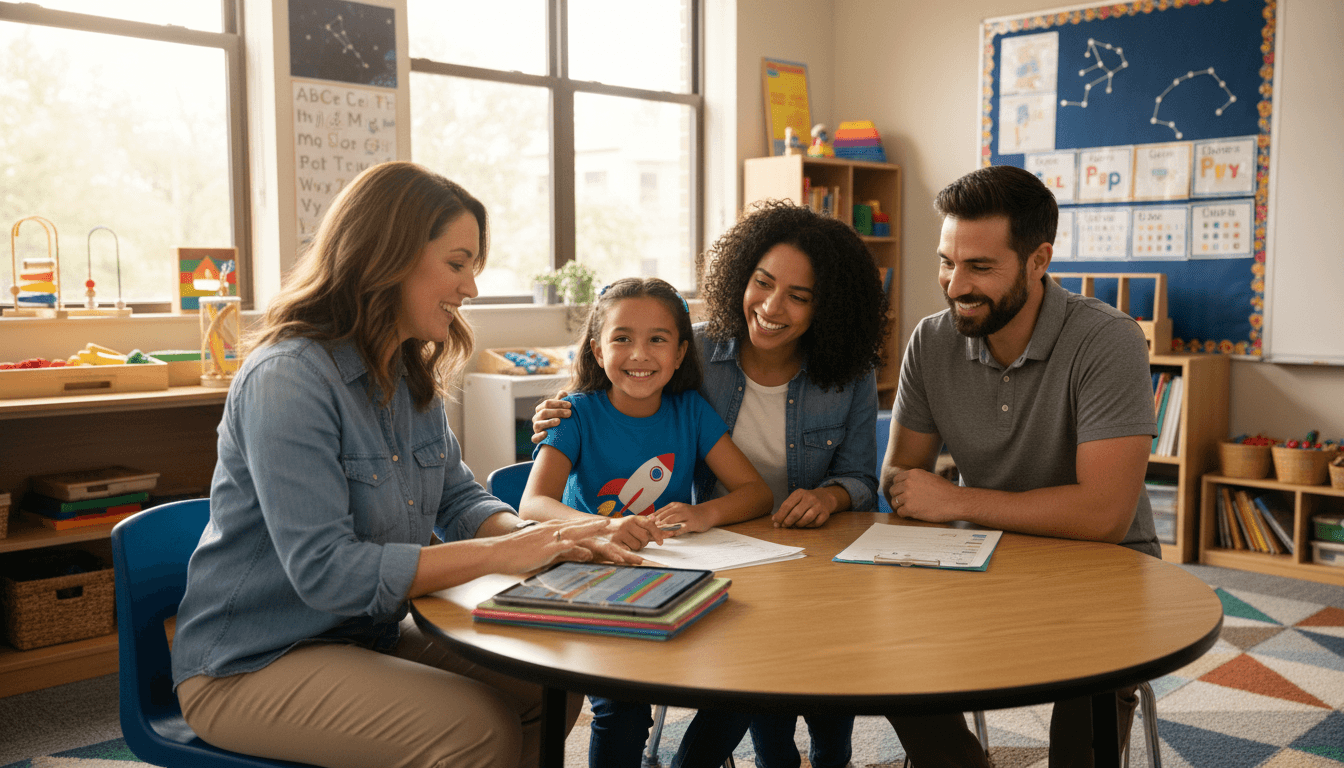
3rd Grade Special Education Newsletter: Communicating IEP Progress and Support to Families
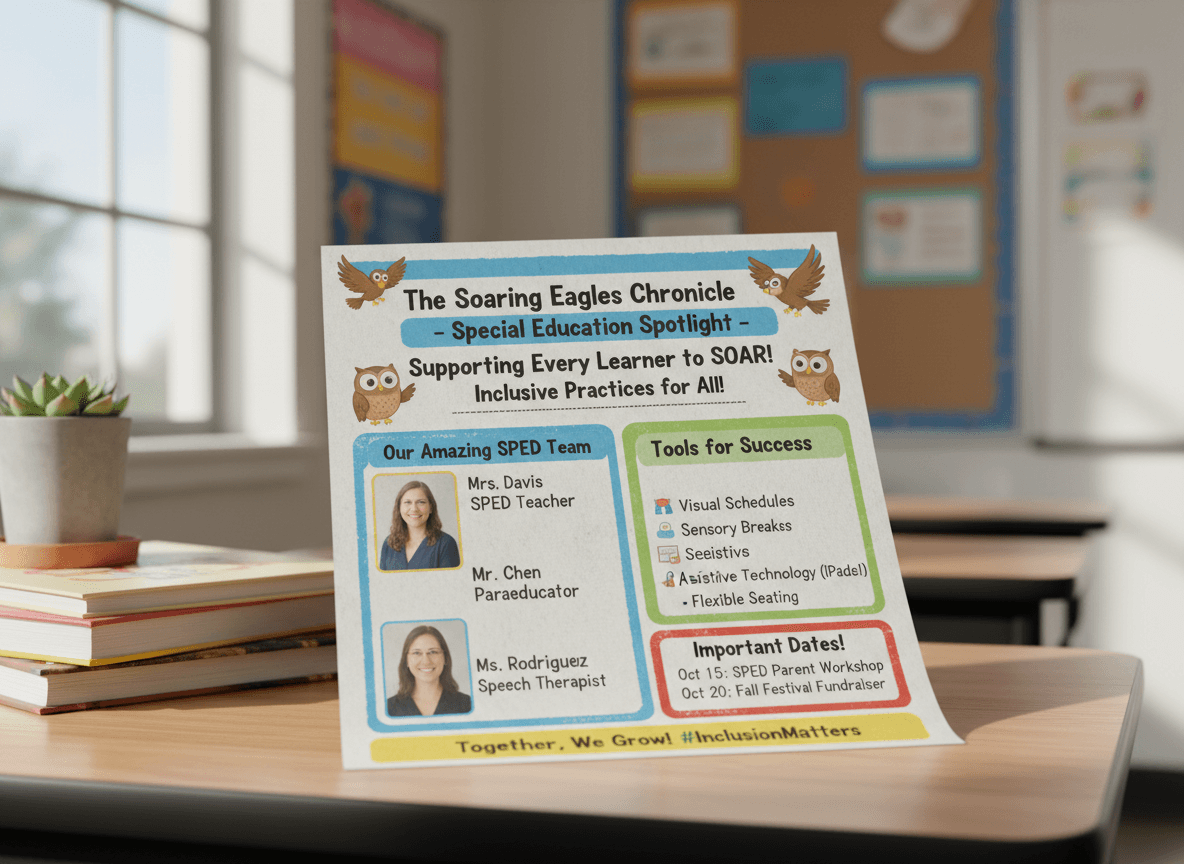
Families of students receiving special education services in third grade often feel uncertain about what their child's school day actually looks like. The gap between an IEP document and day-to-day classroom life can be wide, and newsletters are one of the most practical tools for closing it. When written well, a special education newsletter builds trust, reduces anxiety, and helps families support their child's goals at home.
Why Newsletters Matter More in Special Education
Third grade is a pivotal year. Students transition from learning to read to reading to learn, and the academic demands shift noticeably. For students with IEPs, this transition can surface new challenges or require updated accommodations. Parents who receive regular, clear updates feel like partners rather than bystanders.
A newsletter bridges the communication gap that inevitably forms between annual IEP meetings. It normalizes the idea that you are in regular contact, and it gives families concrete language to use when talking to their child about school.
What to Include in Each Issue
The most effective special education newsletters for third grade combine a few consistent elements. Start with a brief note on what the class or learning group has been working on this month. Then move to a short progress summary tied to IEP goal areas, written in plain language. Add a section on strategies families can use at home to reinforce what you are working on in school. Finally, include any upcoming dates that are relevant, such as evaluation windows, team meetings, or parent-teacher conferences.
You do not need to write a separate newsletter for every student. A thoughtfully written group newsletter, combined with brief individual notes when needed, covers most situations without overwhelming your schedule.
Talking About IEP Goals Without Sounding Clinical
IEP language is written for compliance, not for families. When you pull a goal straight from the document, it often reads as distant and technical. Your newsletter is an opportunity to translate that into something meaningful.
If a student's goal involves reading fluency, describe what you are observing in class. Something like "we have been practicing reading short passages aloud, and I am seeing real growth in pacing and confidence" tells a parent far more than a percentage-based benchmark ever could. Use specific observations from the past few weeks to ground the update in reality.
Celebrating Small Wins
Families of students with learning differences sometimes receive communication from school that feels deficit-focused. They hear about what their child is struggling with, what accommodations are needed, and what interventions are being added. The newsletter is your chance to lead with growth.
Include one or two genuine celebration moments each month. This does not need to be dramatic. "Your child stayed focused during our group activity for the full 20 minutes this week" is worth saying. It signals that you see the whole student, not just the challenge areas.
Describing Supports and Accommodations Clearly
Third grade parents often want to understand what accommodations actually look like in practice. Rather than listing them, describe how they function in your classroom. If a student receives extended time on assessments, explain how that plays out. If they use graphic organizers for writing, show an example or describe the process.
This kind of transparency reduces the mystery around special education supports and helps parents feel confident that accommodations are being implemented consistently.
Home-to-School Connection Strategies
Every newsletter should include at least one thing families can try at home. This is especially valuable for students working on reading, writing, or executive function skills. You do not need elaborate instructions. A simple suggestion like "spend five minutes each evening having your child tell you about one thing they read or heard today" gives families a foothold without adding pressure.
Tie home strategies directly to what you are working on in the classroom so the connection is explicit. When parents understand the link between home practice and school progress, they are far more likely to follow through.
Handling Sensitive Topics in a Newsletter Format
Not everything belongs in a newsletter. Behavioral concerns, significant academic regression, or any situation that requires a conversation should happen by phone or in a meeting, not in print. Use the newsletter for progress, celebration, and general updates. Reserve direct outreach for anything that requires a two-way dialogue.
If you are unsure whether something is newsletter-appropriate, ask yourself whether you would be comfortable with any family in your class reading it. If the answer is no, pick up the phone instead.
Frequency and Format
Monthly newsletters are a manageable pace for most special education teachers. If you work with a small group or caseload, you may find biweekly updates more meaningful. Keep each newsletter to one page or the equivalent in a digital format. Families are busy, and a focused, readable update gets read far more reliably than a multi-page document.
Use a consistent structure so families know what to expect each time. When the format is familiar, they can scan quickly for the sections most relevant to them.
Get one newsletter idea every week.
Free. For teachers. No spam.
Frequently asked questions
What should a third grade special education newsletter include?
It should cover current IEP goal progress, any upcoming meetings or evaluations, accommodation reminders, classroom strategies families can reinforce at home, and celebration of student growth. Keep the tone warm and specific rather than clinical.
How often should I send special education updates to parents?
Monthly newsletters work well for general updates, but families of students with active IEPs benefit from brief check-ins every two to three weeks. If a student has significant behavioral or academic goals, more frequent contact builds trust and consistency between school and home.
How do I write about IEP progress without using jargon parents may not understand?
Translate IEP language into plain descriptions. Instead of 'student will achieve 80% accuracy on decoding CVC words,' write 'we are working on reading short vowel words, and your child is making great strides.' Use concrete examples from recent classroom activities to make progress feel real.
Is it appropriate to include a student's disability label in the newsletter?
No. Class newsletters are not the place for diagnostic labels. Focus on what the student is working on and how they are growing. Save specific disability terminology for IEP meetings, evaluation reports, and direct one-on-one communication with families.
What newsletter tool works best for third grade special education teachers?
Daystage is built specifically for school communication and makes it easy to send polished, professional newsletters to families. You can set up recurring templates for monthly IEP updates, add photos from the classroom, and reach families directly without relying on paper printouts or generic email platforms.

Adi Ackerman
Author
Adi Ackerman is a former classroom teacher and curriculum writer with 8 years in K-8 schools. She writes about school communication, parent engagement, and what actually works in real classrooms.
More for Classroom Teachers
Third Grade Classroom Newsletter Ideas Parents Actually Read
Classroom Teachers · 6 min read
Second Grade Special Education Newsletter: How to Communicate Inclusion and Support to All Families
Classroom Teachers · 7 min read
Third Grade Curriculum Overview Newsletter: What to Cover and How to Say It
Classroom Teachers · 6 min read
Ready to send your first newsletter?
3 newsletters free. No credit card. First one ready in under 5 minutes.
Get started free