

Third Grade Reading Log Newsletter: Sustain the Daily Reading Habit
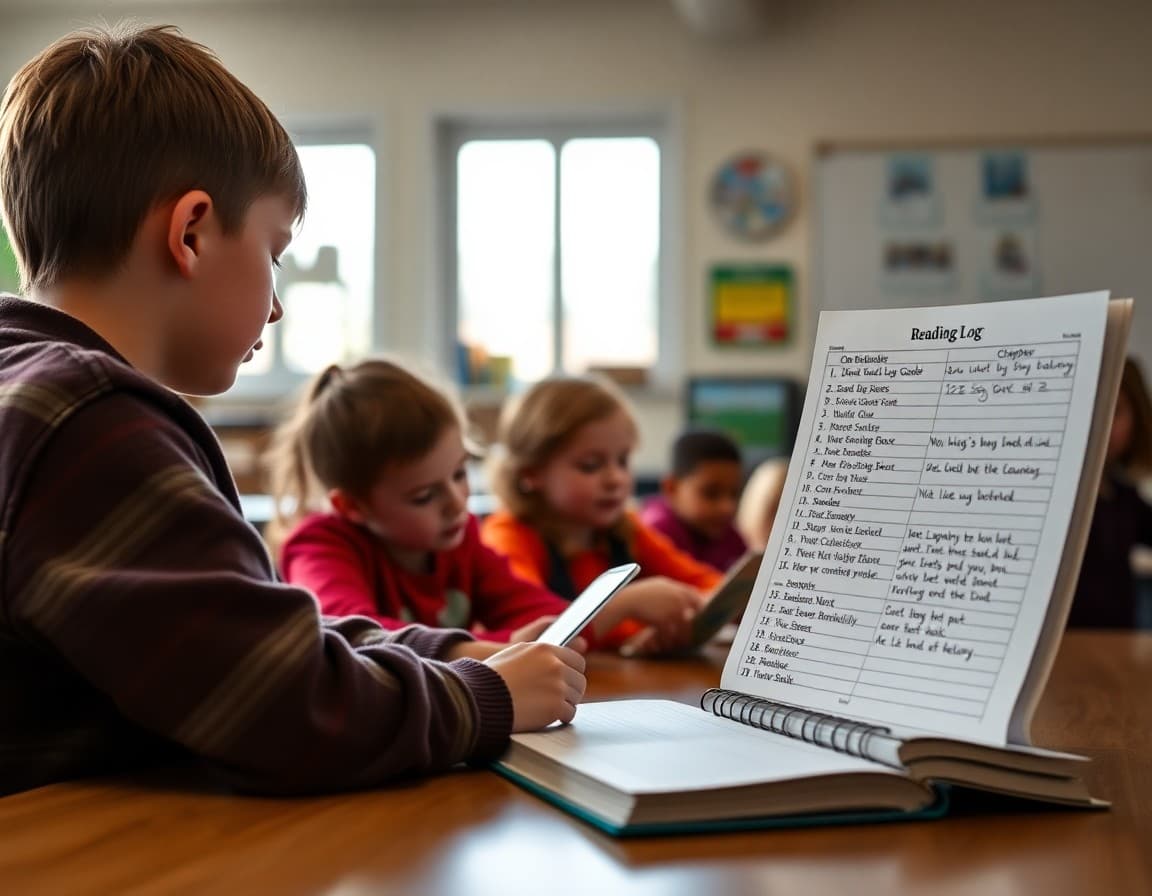
By third grade, reading logs can shift from parental oversight tools to student ownership tools. Students at this level can fill in the log themselves, write brief responses, and take increasing responsibility for tracking their own reading. Your newsletter explains how to transition toward that independence.
Moving Toward Student Ownership
At third grade, students can manage the log with minimal parent involvement. The parent role shifts from completing the log to checking it. Encourage families to review the log weekly rather than signing off on each entry, which builds the student's sense of responsibility for their own reading practice.
The Log Format for This Year
Describe your specific format. For third grade, a log that includes: date, book title and author, chapters or pages read, minutes, a brief response sentence, and a parent signature once a week is appropriate. The student fills in the first five columns independently. The parent signature is a weekly check, not a daily one.
What Goes in the Response Column
Give families the monthly prompt rotation. Include specific examples so parents know what a good entry looks like:
"The most important thing that happened in my reading today was that Harry found out Dumbledore left him a clue in the will." That is a strong entry. "I read for 20 minutes" is not a response entry. Show the difference explicitly.
Chapter Books and Series
Third graders who find a series they love often become avid readers quickly. Series reading builds fluency faster than constantly switching books because the vocabulary, characters, and world are familiar. Recommend a few series in the newsletter for different reading levels and interests. Even one good series recommendation can transform a reluctant reader.
When Students Fabricate Log Entries
Address this honestly. Third graders sometimes copy the same book title every night or inflate their minutes. The best deterrent is genuine reading engagement: if the student is reading something they actually want to read, they are less likely to fabricate. If you notice fabrication patterns, a brief conversation with the family usually reveals the underlying issue (too hard, not interested, screen time competing).
Recognizing Milestones
Tell families how you track and celebrate reading milestones. Whether it is a sticker chart for 50 nights, a reading map for books read across genres, or a class recognition system, families who know what milestones look like can help their child work toward them.
Get one newsletter idea every week.
Free. For teachers. No spam.
Frequently asked questions
How many minutes should a third grader read at home per night?
Twenty to thirty minutes of daily independent reading is the standard recommendation for third grade. At this level, most students are reading chapter books and can sustain reading for longer periods. Thirty minutes, five nights a week, exposes students to approximately 2.5 million words annually, which significantly impacts vocabulary and reading comprehension throughout the school year.
Should third graders write responses in their reading log?
Brief written responses in the log at third grade are both appropriate and beneficial. A one-to-two sentence entry after each reading session reinforces comprehension and builds writing habit simultaneously. Effective prompts include: 'The most important thing that happened was...' 'I was surprised when...' 'I predict that...' 'One question I have is...' Rotate prompts monthly to keep entries meaningful.
What do I do when a third grader says they cannot find a book they like?
This is a reading interest and access problem, not a reading problem. Solutions: visit the school or public library with a list of specific interests (adventure, funny, animals, sports, mysteries), ask the school librarian for personalized recommendations, try graphic novels or books in series (lower entry barrier than standalone chapter books), and sample first chapters of several books before committing. The right book exists; the challenge is finding it.
Are audiobooks an acceptable substitute for reading in a third grade log?
Opinions vary, and you should be clear in your newsletter about your policy. Audiobooks build vocabulary and comprehension but do not build decoding skills. For most third graders, audiobooks are a supplement, not a replacement. If you allow them, suggest listening along while following the text, which combines the benefits of both. If you do not allow them, say so explicitly so families are not confused.
Can I use Daystage to celebrate reading milestones with the class community?
Yes. Including a reading milestone celebration section in your weekly Daystage newsletter, mentioning students who hit 100 nights read or completed a book series, builds motivation for the entire class. Parents who see their child mentioned in the newsletter are reinforced in maintaining the habit. It takes 2 minutes to add and generates significant positive response.

Adi Ackerman
Author
Adi Ackerman is a former classroom teacher and curriculum writer with 8 years in K-8 schools. She writes about school communication, parent engagement, and what actually works in real classrooms.
More for Classroom Teachers
Third Grade Reading Level Newsletter: How to Communicate Reading Levels to Third Grade Families
Classroom Teachers · 7 min read
Reading Updates in Classroom Newsletters: What Parents Want to Know
Classroom Teachers · 5 min read
Second Grade Reading Log Newsletter: Build Consistent Home Reading
Classroom Teachers · 6 min read
Ready to send your first newsletter?
3 newsletters free. No credit card. First one ready in under 5 minutes.
Get started free