

Second Grade Reading Log Newsletter: Build Consistent Home Reading
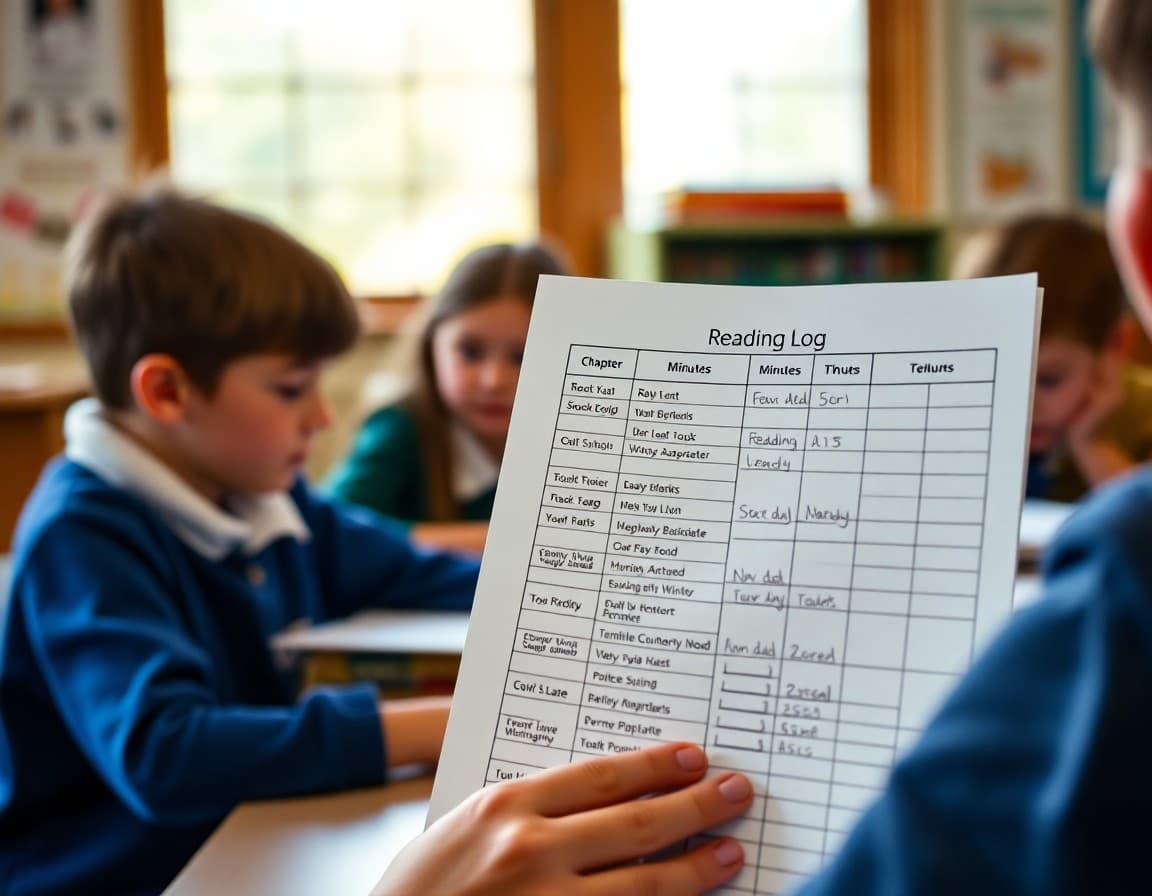
By second grade, most students are making the shift from learning to read to reading to learn. Daily independent reading practice accelerates fluency, builds vocabulary, and deepens comprehension in ways that classroom instruction alone cannot fully achieve. Your reading log newsletter makes the case for consistent daily practice and gives families the tools to make it happen.
Why 20 Minutes a Night Makes a Real Difference
Share the research without being preachy. Students who read at home for 20 minutes nightly encounter significantly more words, text structures, and ideas than students who read only at school. By third grade, students who have been consistent home readers demonstrate measurably stronger vocabulary and comprehension than those who have not. That is the concrete case for a daily reading habit.
Reading at the Right Level
Independent reading at the right level is more valuable than reading any specific book. If a child reads a book that is too hard, they are practicing frustration, not reading. If a book is too easy, they are not building any new skills. Give families a simple check: if your child misses more than 1 word in 10, the book is probably too hard. If they can read every word without pausing, they should try something harder.
How to Fill In the Log
Describe your specific log format. For second grade, useful columns include: date, book title and author, pages read, minutes read, a one-sentence response, and adult signature. The one-sentence response keeps the child engaged with the content rather than reading mechanically. Prompts to rotate: "Today something important happened..." or "I think the character will..." or "I was surprised when..."
A Sample Log Entry
Tue June 2: Junie B. Jones and the Stupid Smelly Bus, Ch 3, 15 min, "Junie B. was scared about getting on the bus," Parent sig: MR
That level of detail is appropriate and achievable for most second graders with minimal parent support.
When Reading Becomes a Battle
Address this honestly. For some families, getting a child to read every night is a struggle. Practical suggestions: read in the same spot every night (routine matters), let the child choose the book, try audio-supported reading for reluctant readers, read in parallel (parent reads their own book while the child reads), and celebrate consistency rather than perfect minutes.
What to Do With the Log
Tell families when and how to return the log, and what you do with it. Do you check it weekly? Use it for reading conferences? Celebrate milestones? Families are more consistent when they know the log is reviewed and appreciated, not just stuffed into a file folder.
Get one newsletter idea every week.
Free. For teachers. No spam.
Frequently asked questions
How many minutes should a second grader read at home each night?
Twenty minutes per night is the standard recommendation for second grade. At this level, students are developing reading fluency and stamina, and nightly practice has a measurable impact on both. Students who read 20 minutes daily for 180 school days are exposed to approximately 1.8 million words annually, compared to about 8,000 words for students who read less than 1 minute per day.
Should second graders read independently or with a parent?
The primary goal at second grade is independent reading at the student's current level. Parent read-aloud from a more challenging book is a valuable supplement but should not replace independent practice. Most second graders can sustain 15-20 minutes of independent reading. If a child resists, shortening to 10 minutes and gradually increasing is more sustainable than forcing a full 20 minutes.
What do I do if a second grader says every book is boring?
This usually means the books they have access to are not at the right level or interest. A child reading too-easy books loses interest quickly. A child reading too-hard books gives up. Getting a library card and visiting the school or public library to choose books at the right level and topic dramatically increases engagement. Give families this specific advice in the newsletter.
Should second graders be writing responses in their reading log?
Brief written responses in the log are appropriate and useful for developing comprehension. Options include: write one sentence about what happened in what you read, draw and label a scene, or answer a question like 'what problem is the character facing?' This adds a comprehension check without making the log feel like homework. Keep it short: 1-2 sentences is enough.
Can I use Daystage to include reading level guidance in my newsletter for second grade families?
Yes. Including a brief level guide in your monthly Daystage newsletter, with descriptions of what each level looks like and 3-4 title examples, helps families make better book choices without requiring a meeting. Many teachers include a 'book recommendation of the month' section, which drives library visits and gives families a concrete starting point.

Adi Ackerman
Author
Adi Ackerman is a former classroom teacher and curriculum writer with 8 years in K-8 schools. She writes about school communication, parent engagement, and what actually works in real classrooms.
More for Classroom Teachers
Ready to send your first newsletter?
3 newsletters free. No credit card. First one ready in under 5 minutes.
Get started free