
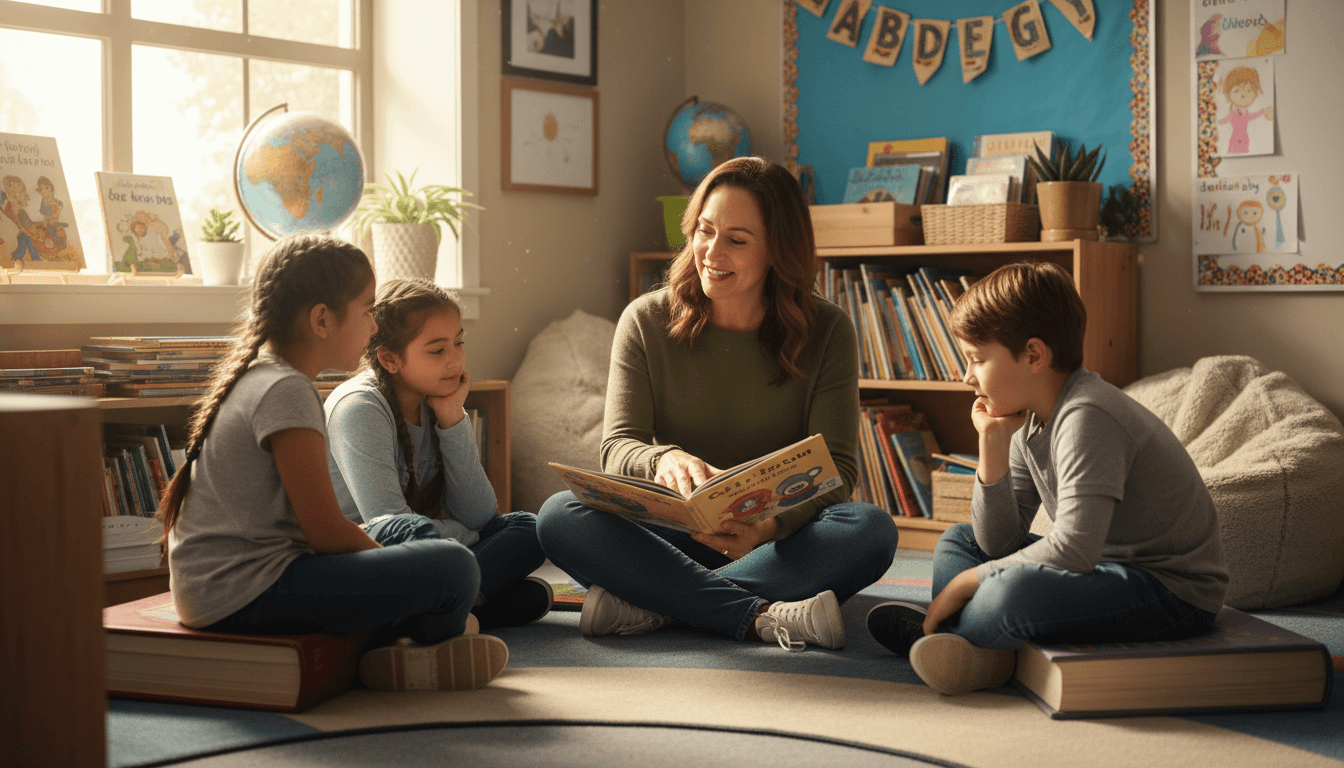
Third Grade Parent Volunteer Newsletter: How to Recruit and Coordinate Classroom Helpers

Parent volunteers are one of the most underused resources in elementary school classrooms. Third grade is an ideal time to bring families in. Students are old enough to work productively alongside adult helpers, and the curriculum has enough moving parts that an extra set of hands genuinely makes a difference. The right volunteer newsletter gets families excited to participate, sets clear expectations, and keeps coordination from becoming a second job.
Open with an Honest Description of What Help Looks Like
Parents who have never volunteered in a classroom often imagine they will be tutoring individual students or leading an activity. The reality is more varied. Some visits involve listening to students read, some involve cutting materials, some involve walking a group to a station and keeping them on task. Being upfront about this removes the anxiety of not knowing what to expect.
A brief paragraph describing a typical volunteer experience gives parents confidence to say yes. "Most volunteer sessions run about 45 minutes. You might work with a small group on a reading activity, help students at a math center, or support me during a hands-on science lab. No teaching experience required" is exactly the kind of clarity families need.
List the Specific Ways You Need Help
Vague requests get vague responses. Instead of "we are always looking for classroom helpers," give parents a concrete list of the volunteer opportunities you have available. Break them into in-classroom and at-home categories so every family sees an entry point regardless of their schedule.
In-classroom options might include: listening to students read one-on-one, supporting small group math games, chaperoning field trips, helping with classroom celebrations, and assisting during science labs. At-home options might include: preparing materials for projects, organizing the classroom library donations, cutting laminate, or collecting supplies for specific units. When parents see a specific list, they can identify where their skills and availability fit.
Explain the School's Clearance Requirements Upfront
Many schools require volunteers to complete a background check, sign a confidentiality agreement, or complete a brief orientation before entering classrooms. Parents who arrive without knowing this feel turned away even when the delay is procedural. Your newsletter should explain exactly what is required, how to complete it, and how long it typically takes.
Frame this as a step that protects all the children in the school, not as a barrier to participation. "Our school requires all volunteers to complete a brief background check through the main office. The process takes about a week, so if you are interested in helping before October, I would encourage you to get started now" is helpful and proactive.
Set Clear In-Classroom Expectations
A prepared volunteer is a useful volunteer. Spend a section of your newsletter describing what parent helpers can expect when they arrive and what guidelines they should follow. This does not need to be a long policy list. A few practical points go a long way.
Let parents know to check in at the office before coming to the classroom, where to find you when they arrive, how to interact with students in ways that support rather than undermine classroom norms, and how to handle a situation where a student says or does something unexpected. A note asking volunteers to keep what they observe in the classroom confidential is worth including. Most parents already understand this, but naming it explicitly prevents problems later.
Include Options for Non-Traditional Schedules
Many families have parents or guardians who work full time during school hours. Grandparents, older siblings, family friends, and community members can also be volunteers in many schools. Make sure your newsletter acknowledges these possibilities.
Explicitly naming at-home volunteer tasks shows families with inflexible daytime schedules that there is still a way to be involved. Some teachers also organize evening or weekend projects like building a classroom display or organizing donated materials. These options expand who can participate and reduce the implicit assumption that volunteering is only for stay-at-home parents.
Tell Parents What Happens After They Sign Up
One of the most common volunteer breakdowns happens in the gap between interest and actual participation. A parent signs up, weeks pass, they hear nothing, and they assume the teacher did not need them after all. Prevent this by explaining your follow-up process in the newsletter itself.
Something like "once you sign up, I will reach out within a week to schedule your first visit" sets a clear expectation. It also signals that you are organized and that their commitment will be honored. Parents are far more likely to follow through when they know the next step is coming.
Express Genuine Gratitude Before Anyone Has Done Anything
Close your volunteer newsletter by thanking families in advance. Not the reflexive "thank you for your time and support" that appears on every school form, but something specific to what their presence means in your classroom.
A sentence like "having an extra adult in the room means I can give more focused attention to students who need extra support, and it means your child gets to see that their family cares about what happens here" is both genuine and persuasive. It tells parents that their volunteering has a specific, meaningful impact. That is the kind of motivation that converts interest into follow-through.
Get one newsletter idea every week.
Free. For teachers. No spam.
Frequently asked questions
What information should a parent volunteer newsletter include?
A volunteer newsletter should describe the types of help you need, the schedule or frequency of volunteer opportunities, any school policies or clearance requirements, expectations for behavior in the classroom, and how parents can sign up. Keep it practical and welcoming rather than bureaucratic.
How do I include parents who cannot come into school during the day?
Offer at-home volunteer options. Parents who work during school hours can still cut laminate, organize materials, prep reading packets, or help with classroom donations. Naming these options explicitly signals that volunteering is for everyone, not just families with flexible schedules.
How do I set expectations so volunteers do not disrupt the classroom?
Include a short 'what to expect when you arrive' section in your newsletter. Let parents know where to check in, what role they will have, how to interact with students, and what to do if something unexpected comes up. A prepared volunteer is a useful one.
When should I send a volunteer newsletter?
Send your main volunteer recruitment newsletter during the first two weeks of school when family engagement energy is highest. Follow it with specific volunteer calls as needs arise throughout the year, particularly before field trips, science fairs, and special events.
What newsletter tool works best for organizing classroom volunteers?
Daystage works well for volunteer newsletters because you can share sign-up links, event details, and schedule information all in one place. Teachers who send their volunteer asks through Daystage find that the professional format gets a better response rate than a plain email blast.

Adi Ackerman
Author
Adi Ackerman is a former classroom teacher and curriculum writer with 8 years in K-8 schools. She writes about school communication, parent engagement, and what actually works in real classrooms.
More for Classroom Teachers
Third Grade Curriculum Overview Newsletter: What to Cover and How to Say It
Classroom Teachers · 6 min read
Third Grade Classroom Rules Newsletter: Communicating Your Norms and Expectations to Families
Classroom Teachers · 5 min read
Field Trip Announcements in Your Classroom Newsletter
Classroom Teachers · 5 min read
Ready to send your first newsletter?
3 newsletters free. No credit card. First one ready in under 5 minutes.
Get started free