
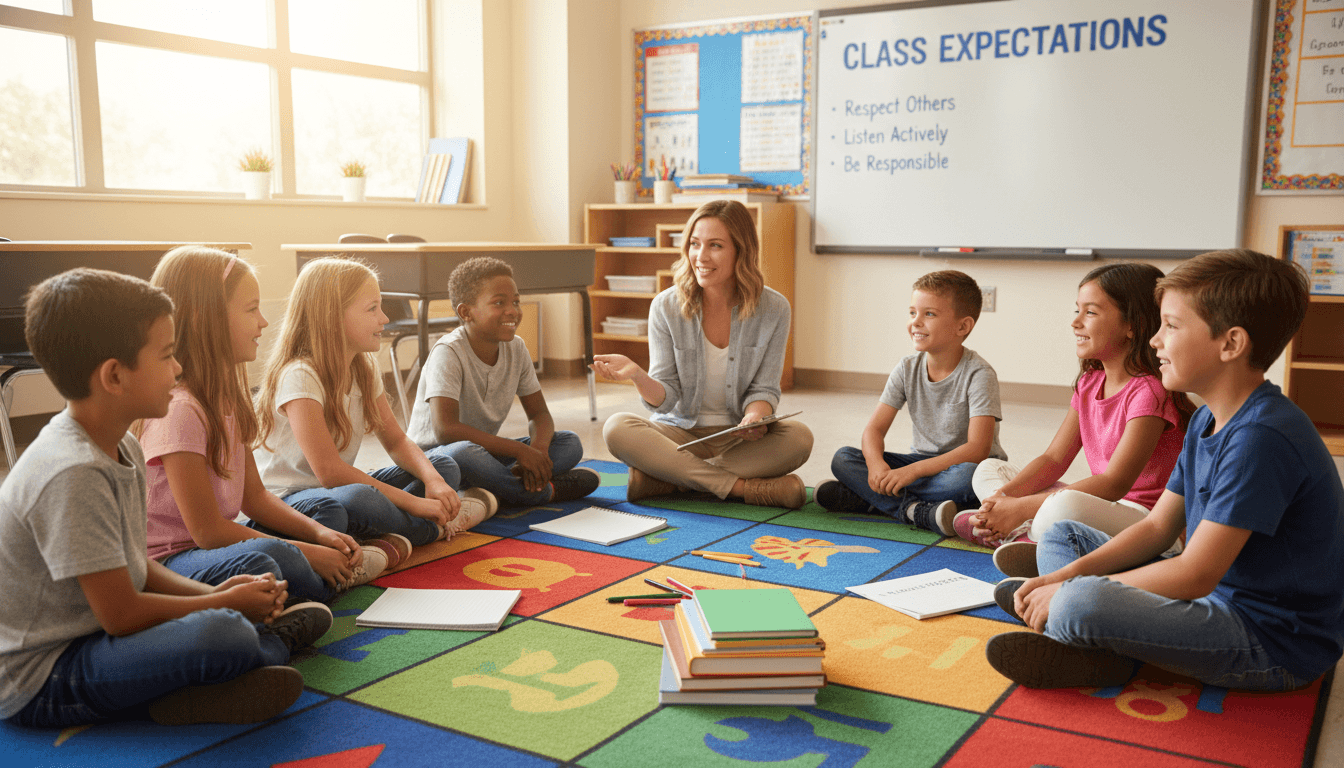
Third Grade Behavior Newsletter to Parents: How to Communicate Expectations Clearly
Behavior communication is one of the most delicate parts of teaching. Write too little, and parents feel blindsided when a problem arises. Write too much, and you risk making families feel like their child is already a suspect. A well-written behavior newsletter for third grade parents threads that needle. It sets clear expectations, explains your system, and invites parents to be partners in building a classroom culture where every student can succeed.
Start with Your Classroom Values, Not Your Rules
Rules are easier to accept when they connect to something meaningful. Before listing your expectations, spend a paragraph describing the kind of classroom you are trying to build together. What does your classroom feel like at its best? What values guide how students treat each other and how they approach learning?
Phrases like "our classroom runs on kindness, responsibility, and effort" give parents a frame for understanding why the rules exist. It also signals that your approach to behavior is not about control for its own sake but about creating conditions where every child feels safe enough to take intellectual and social risks.
Name Your Specific Expectations
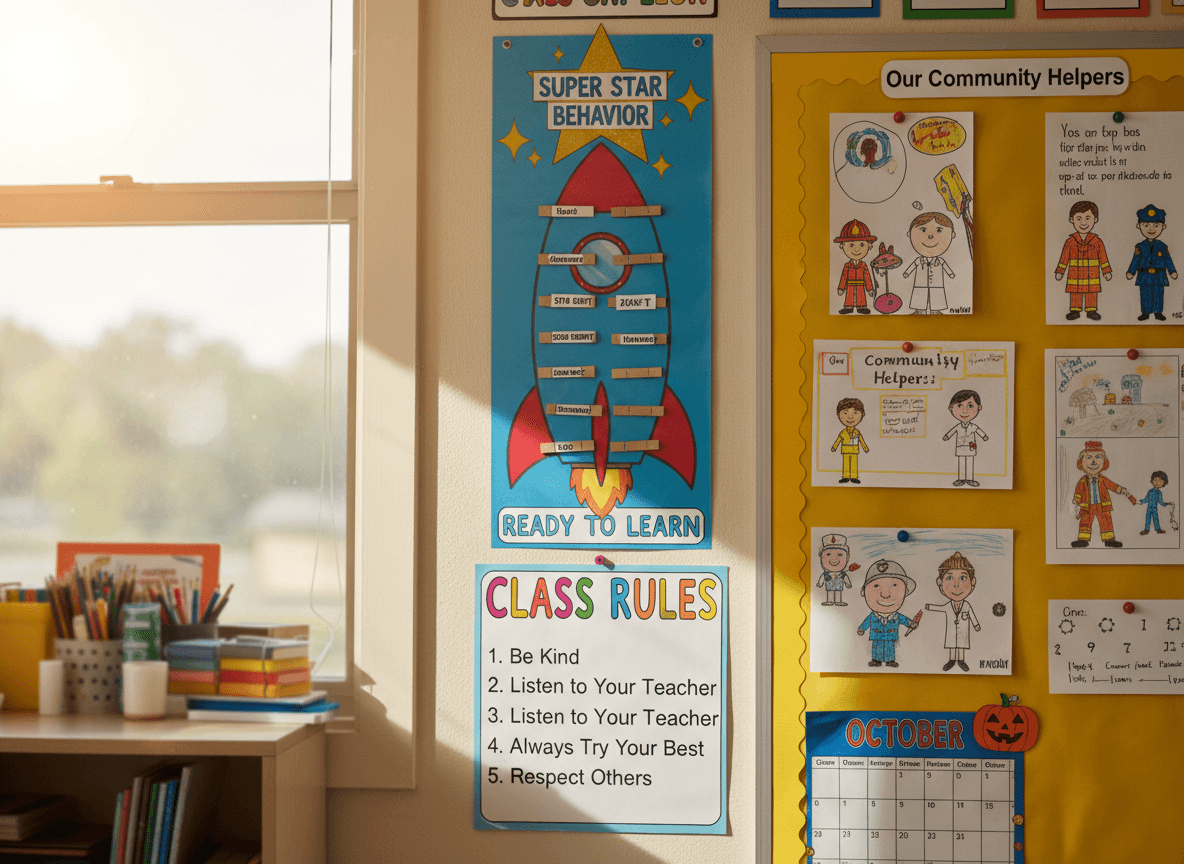
Third graders thrive when expectations are explicit rather than assumed. Your newsletter should list the core behavioral expectations in language that matches what students hear in the classroom. If your expectations are posted on the wall as "be safe, be responsible, be kind," use those exact words in the newsletter so parents can reinforce the same vocabulary at home.
For each expectation, add one concrete example of what it looks like in practice. "Be responsible means returning library books on time, completing homework before the morning routine, and putting materials back where they belong." Concrete examples transform abstract values into actionable habits.
Explain Your Behavior System Step by Step
Whether you use a color chart, a clip system, a ticket economy, or a restorative conversation model, parents need to understand how it works. Walk through the system in plain language. What happens on a great day? What happens when a student makes a mistake? What happens when a pattern of behavior needs more support?
Many parents have experienced punitive behavior systems from their own school years and may carry assumptions about how these systems work. Describing yours clearly helps families understand that your approach is about guiding behavior and building skills, not shaming students for normal third-grade struggles.
Describe How You Recognize Positive Behavior
Behavior newsletters that only describe consequences miss a major opportunity. Spend equal or greater space on how you recognize and celebrate positive behavior. Do you give class dojo points? Send positive behavior notes home? Have a weekly spotlight? Let parents know.
When parents hear about the celebration side of your system, they understand that behavior management is not primarily about catching kids doing wrong. It is about building a community where doing right is noticed and valued. That reframe matters, especially for families with children who have had difficult experiences with behavior systems in earlier grades.
Connect School Expectations to Home Habits
Third grade students are at an age where they are still building the self-regulation skills that mature behavior depends on. Sleep, nutrition, physical activity, and screen time all affect how a child shows up at school. Your newsletter can acknowledge this connection without being preachy.
A brief paragraph noting that students who arrive having had breakfast and a good night of sleep are better able to handle the frustrations of a long school day is factual and useful. It gives parents concrete information without implying blame. It also frames behavior as something the whole family contributes to rather than something the school manages in isolation.
Address What Parents Should Do If They Hear About a Problem
Third graders are excellent at telling one-sided stories. When a child comes home reporting a conflict or a consequence, parents often hear a version of events that leaves out important context. Your newsletter can prepare parents for this reality.
Encourage families to ask curious questions before drawing conclusions. Suggest they reach out to you directly if something sounds serious or confusing. Letting parents know that you welcome their questions removes the barrier that leads to misunderstandings escalating unnecessarily. A quick email exchange can clarify most situations within a day.
Set the Tone for the Whole Year
The behavior newsletter you send in the first week of school sets a tone that carries through the year. If it is warm, clear, and collaborative, parents will approach behavior conversations from that same place. If it reads as a warning shot, that is the relationship you will be managing all year.
End your newsletter with something genuine. A sentence about why you love this age group, or what you are most looking forward to as a class community, reminds parents that a behavior newsletter is not a prelude to conflict. It is an invitation into the real, human work of helping eight-year-olds grow into thoughtful, capable people.
Get one newsletter idea every week.
Free. For teachers. No spam.
Frequently asked questions
What should a third grade behavior newsletter include?
A behavior newsletter should explain your classroom behavior system, describe the specific expectations students are held to, outline how positive behavior is recognized, and explain what happens when behavior falls outside expectations. It should also tell parents how to reinforce school expectations at home.
How do I write about behavior without making parents feel defensive?
Frame behavior communication around your classroom community and shared values rather than individual problems. Use language like 'we are building a classroom where everyone feels safe and respected' rather than 'some students are having trouble following directions.' Positive framing invites parents in rather than putting them on guard.
Should I send a behavior newsletter at the start of the year or throughout?
Both. Send an initial behavior newsletter in the first week of school to establish expectations. Then send brief behavior updates at natural intervals like after the first month, before a major transition, or when you introduce a new system or incentive. Ongoing communication prevents surprises.
How specific should I be about consequences in the newsletter?
Be clear but not clinical. Parents need to know what happens when expectations are not met, but a long list of consequences can read as intimidating. Describe your basic progressive consequence system in plain language and save detailed case-by-case explanation for individual conversations.
What newsletter tool works best for third grade behavior communication?
Daystage makes it easy to send a well-formatted behavior newsletter that looks consistent with your other class communications. Teachers find it useful to keep all newsletters in one place so parents can reference back to the behavior expectations explained at the start of the year.

Adi Ackerman
Author
Adi Ackerman is a former classroom teacher and curriculum writer with 8 years in K-8 schools. She writes about school communication, parent engagement, and what actually works in real classrooms.
More for Classroom Teachers
Third Grade Classroom Rules Newsletter: Communicating Your Norms and Expectations to Families
Classroom Teachers · 5 min read
Third Grade Curriculum Overview Newsletter: What to Cover and How to Say It
Classroom Teachers · 6 min read
How to Explain Your Classroom Behavior Policy in a Newsletter
Classroom Teachers · 6 min read
Ready to send your first newsletter?
3 newsletters free. No credit card. First one ready in under 5 minutes.
Get started free