

How to Write a Welcome Back to School Newsletter That Sets the Right Tone
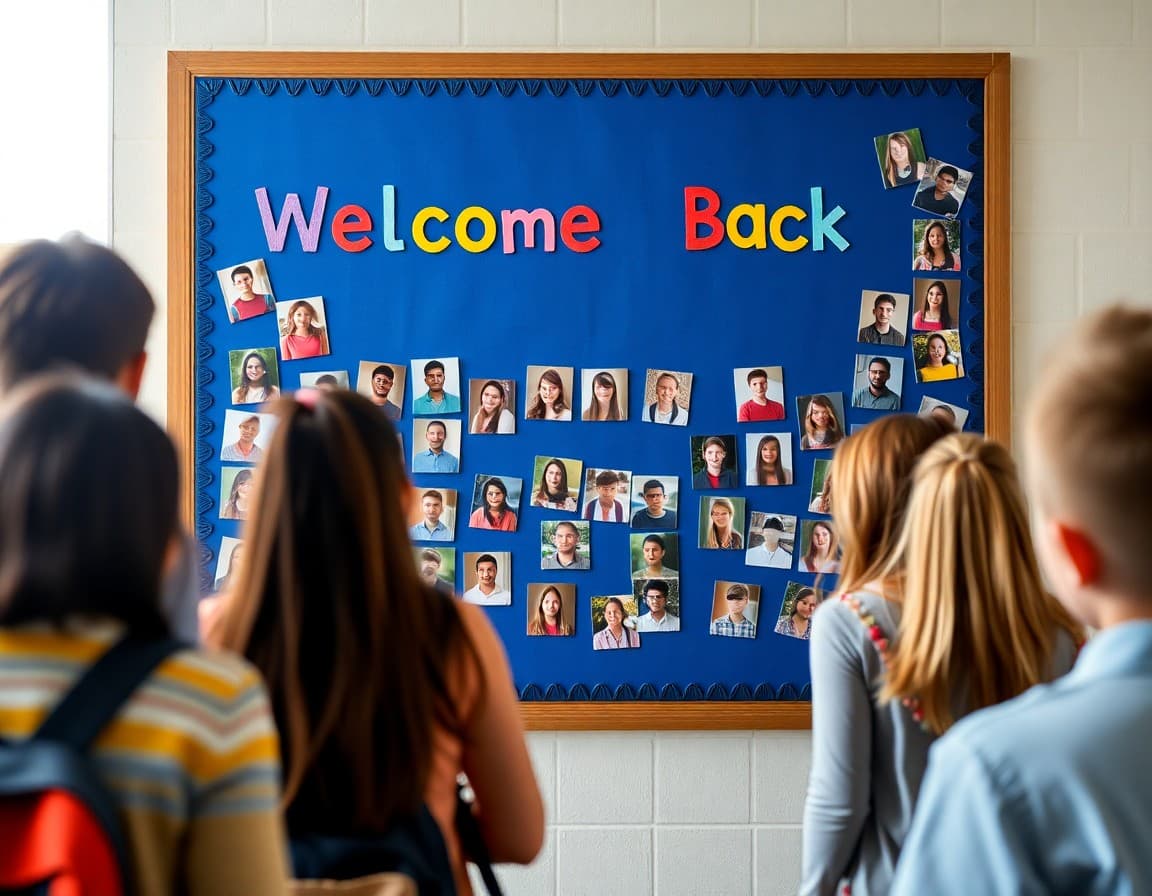
The welcome back newsletter lands in family inboxes at one of the highest-attention moments of the year. Back-to-school anxiety is real for students and parents alike. A newsletter that is warm, organized, and practical does more to reduce that anxiety than any amount of cheerful signage. The families who receive it feel like they landed in good hands before their student has set foot in your classroom.
Open with energy, not formality
Your first sentence sets the tone for everything that follows. Skip "Dear families, I am pleased to welcome you to the new school year." Try something more direct and warm. "We are officially back, and I am genuinely excited about this class." Or "The first week of school is one of my favorite weeks of the year and I want to make sure you feel as prepared as your student does." One sentence, real voice, immediate connection.
Acknowledge the transition
The shift from summer to school is a real transition for students and families. Acknowledging it briefly in your newsletter shows that you understand your families' experience rather than expecting everyone to simply arrive in school mode. "The first few days of school can feel exciting and exhausting in equal parts. That is normal and it settles down by week two." That kind of human acknowledgment earns trust from families who have been privately worried about exactly that.
Cover the critical first-week logistics
The first week has specific information families need. Drop-off and pickup locations or times, what to send in the backpack, whether the supply list is still accurate, when the first library day is, whether students need a snack. Cover these briefly and clearly. Not an exhaustive handbook but the handful of things that generate confusion and emails when they are not addressed upfront.
Preview what is ahead for the month
A brief calendar of what the first few weeks hold gives families a sense of the path. "This month we will be focusing on community building, establishing our classroom routines, and beginning our first reading and math units. We have a field trip scheduled for [date] and open house is [date]." Families who can see even a few weeks out feel oriented rather than reactive.
Tell them what you need from them right now
The most useful welcome back newsletters include a short, specific parent action list. Not ten things. Two or three. "Please make sure your student has the supplies on the list by Wednesday. If there is anything I should know about your student that would help me support them better from day one, please email me this week." Specific asks get specific responses.
Remind families how to reach you
Even families who received a meet the teacher newsletter in August benefit from a reminder of your contact information and response time in the welcome back send. Some families save this newsletter as their reference document for the year. Make it easy for them by including your email, your communication schedule, and your preferred contact method in every opening newsletter.
Close with a note of genuine enthusiasm
End the way you opened: as a person. "I am looking forward to this year in a very specific way. This class has [something you noticed already or something you anticipate based on who you know is coming]. I think we are going to have a good year." Specificity is more believable than generality. Families who receive a final line that sounds genuine leave the newsletter feeling like their student is in the right place.
Daystage is built for exactly this kind of start-of-year communication. A welcome back newsletter sent through Daystage arrives formatted, professional, and personal, which is exactly what families need in the first week.
Get one newsletter idea every week.
Free. For teachers. No spam.
Frequently asked questions
What should I include in a welcome back newsletter?
A warm opening that acknowledges the summer and transitions into excitement for the year, key logistics for the first week, what families should know immediately, and an invitation to reach out. The balance between warmth and practicality determines whether families read the whole thing.
How is a welcome back newsletter different from a meet the teacher newsletter?
A meet the teacher newsletter introduces you before school starts. A welcome back newsletter is sent at the start of the year and can be sent whether or not families already received a teacher introduction. Welcome back newsletters are usually more logistical than meet the teacher newsletters.
Should I include a summary of what we will do the first week?
Yes, briefly. Families who know what the first week looks like feel more prepared to support the transition. You do not need a day-by-day schedule. A general sense of what to expect is enough.
How do I acknowledge summer without spending too many sentences on it?
One or two sentences max. 'I hope everyone had a restorative summer. I am so glad to be starting a new year together.' Then move on. The newsletter is about what is ahead, not a summary of what families did over break.
Can Daystage help me send a welcome back newsletter at the start of each school year?
Yes. You can save your welcome back template in Daystage and update it at the start of each year. The format stays consistent and the content stays current.

Adi Ackerman
Author
Adi Ackerman is a former classroom teacher and curriculum writer with 8 years in K-8 schools. She writes about school communication, parent engagement, and what actually works in real classrooms.
More for Classroom Teachers
Ready to send your first newsletter?
3 newsletters free. No credit card. First one ready in under 5 minutes.
Get started free