
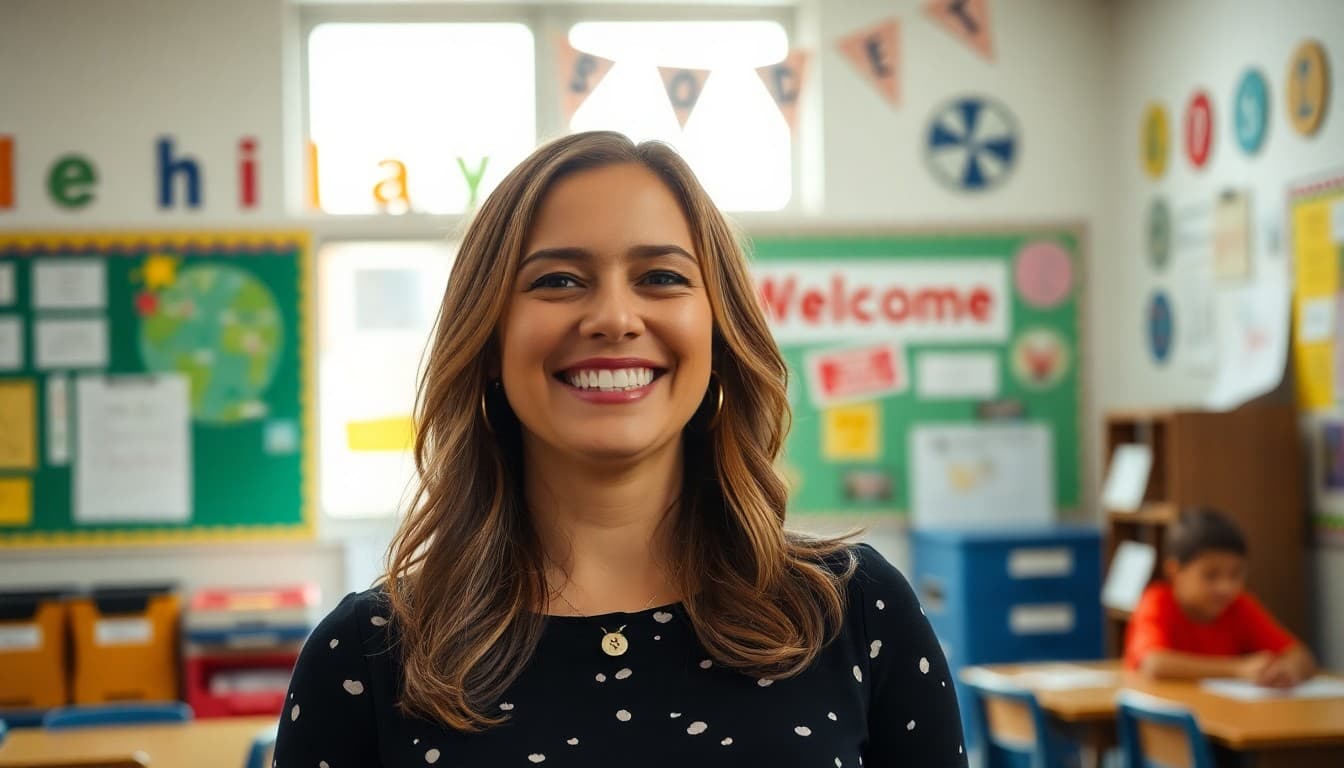
How to Write a Meet the Teacher Newsletter That Families Actually Remember

Families who receive a meet the teacher newsletter before school starts show up differently on the first day. They have already told their student a little about you. They already know your name and have a sense of who you are. The anxiety of the unknown is already reduced. A two-minute newsletter, sent the week before school, does more to establish trust than most of your first-week communication combined.
Lead with who you are, not your resume
Families are not reading your meet the teacher newsletter to evaluate your qualifications. They are reading it to figure out if their student is going to be okay with you. Lead with something personal before you get to credentials. What you love about this age group. What drew you to teaching. Something specific you are looking forward to about this class. These details create connection faster than any degree or certification.
Include something genuinely personal
A hobby, a passion, a fact about yourself that is unexpected. Teachers who include one real detail about who they are outside of school create a more memorable impression than those who present only their professional identity. "I have been learning to play the ukulele for the last two years and I am still not great at it." That sentence is real. Families remember it. Students mention it.
Tell them what you love about this grade level
"I have taught [grade level] for [years] and I still get excited about the moment when [specific thing that happens at this age]." This kind of statement tells families that you chose this age group with intention, not by default. Parents who believe their student's teacher genuinely wants to be there trust the teacher more with their student.
Explain your communication style
A brief note about how you stay in touch and how families can reach you sets expectations early. "I send a weekly newsletter on Fridays. For direct questions, email is the best way to reach me and I respond within one school day. I do not monitor personal social media during school hours." Families who know how you communicate are less likely to reach out in ways that do not work and more likely to use the channels that do.
Mention what you are planning for the year
One or two highlights from your year ahead builds excitement. "This year we are doing a full school garden project in the spring and a biography unit where students choose someone who changed history and present as that person." Families who have a preview of what is coming feel like insiders. Students who hear these highlights from their parent arrive more curious.
Ask a question that invites a response
Ending your meet the teacher newsletter with a question invites the relationship to begin before the first day. "If you have a moment, I would love to know one thing about your student that you want me to know from the start. You can reply to this email." Most families do not expect this invitation. Many will take you up on it and the information they share is often the most useful context you will receive all year.
Keep the tone warm and human throughout
Read the full draft before you send and ask yourself: does this sound like a person or an institution? Remove any language that sounds like it came from a template. "I look forward to an enriching learning partnership" sounds automated. "I am genuinely looking forward to meeting your student" sounds like a human being. The difference matters, especially in your first communication.
Daystage is built for exactly this kind of teacher-family communication. A meet the teacher newsletter sent through Daystage arrives looking polished while reading personal, which is exactly the combination a first impression needs.
Get one newsletter idea every week.
Free. For teachers. No spam.
Frequently asked questions
What should a meet the teacher newsletter include?
A brief personal introduction, one or two things you love about your grade level, your communication style and how families can reach you, and an invitation to connect before school starts. Keep it personal and warm. This is a first impression, not a policy document.
When should I send a meet the teacher newsletter?
One to two weeks before school starts if you have family contact information. This gives families time to read it, show it to their student, and arrive on the first day feeling like they know you a little. A newsletter sent the first day of school still matters but has less runway.
How much personal information should I include about myself?
Enough to feel real, not so much that it feels like an overshare. Your educational background briefly, a hobby or interest you genuinely have, why you love this grade level, and something you are looking forward to this year. Two to three personal sentences is the right amount.
Should I include classroom logistics in a meet the teacher newsletter?
Lightly. If there is something logistically essential before the first day, include it. Otherwise save the detailed logistics for your first-week newsletter. The meet the teacher communication is primarily about connection, not information.
Can I use Daystage to send a meet the teacher newsletter before school starts?
Yes. Daystage lets you build and send your teacher introduction newsletter to your class family list as soon as you have it, before the school year officially begins.

Adi Ackerman
Author
Adi Ackerman is a former classroom teacher and curriculum writer with 8 years in K-8 schools. She writes about school communication, parent engagement, and what actually works in real classrooms.
More for Classroom Teachers
Ready to send your first newsletter?
3 newsletters free. No credit card. First one ready in under 5 minutes.
Get started free