Teacher Newsletter for Water Bottle Policy: Keep Students Hydrated in Class
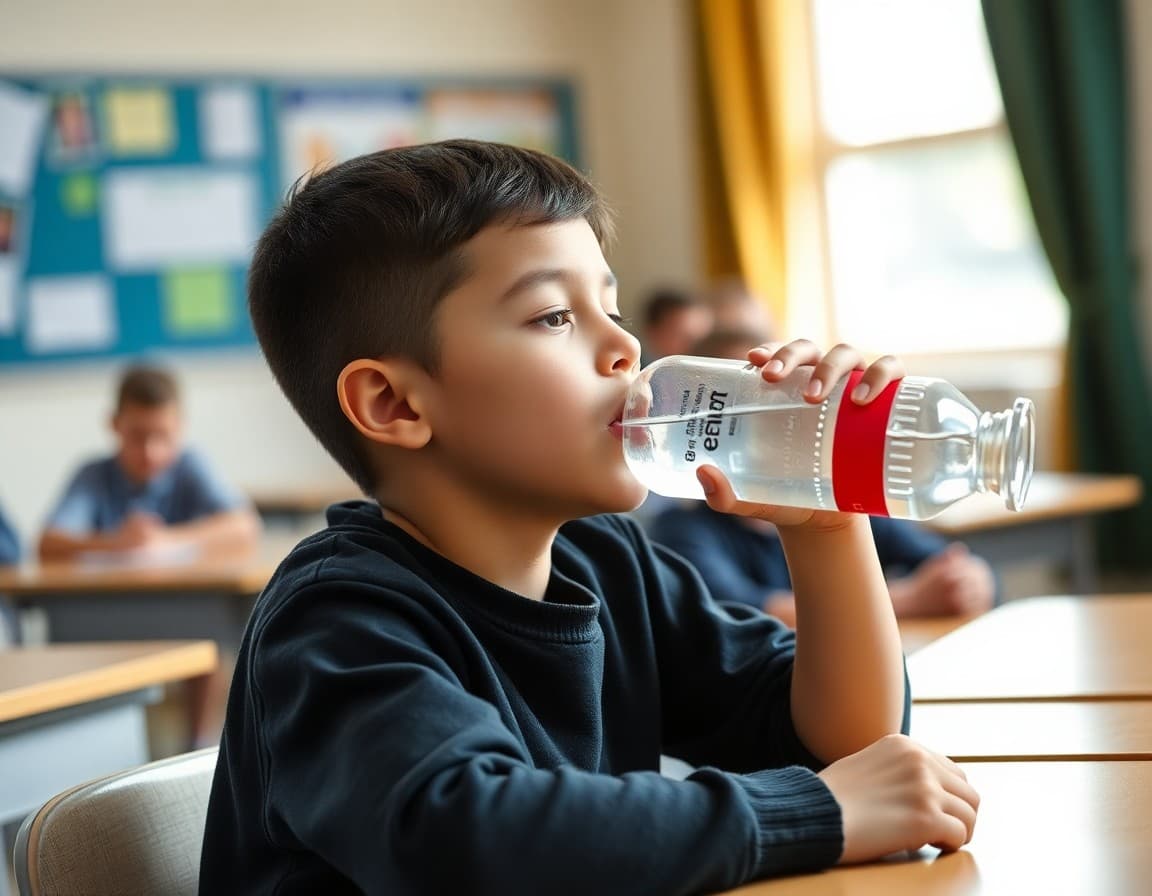
A water bottle policy newsletter does two things: it prevents the confusion and spill incidents that happen when the policy is not communicated clearly, and it gives families the context to understand why you are asking their child to bring a labeled spill-proof bottle every day. Context creates cooperation.
Explain Why Hydration Matters for Learning
Most families know hydration is generally healthy. Fewer families know that even mild dehydration measurably reduces concentration, memory recall, and mood regulation in school-age children. Students who have regular water access throughout the school day perform better on tasks that require sustained attention. That connection between the water bottle and the child's ability to focus is worth making explicit in the newsletter.
State the Policy Clearly
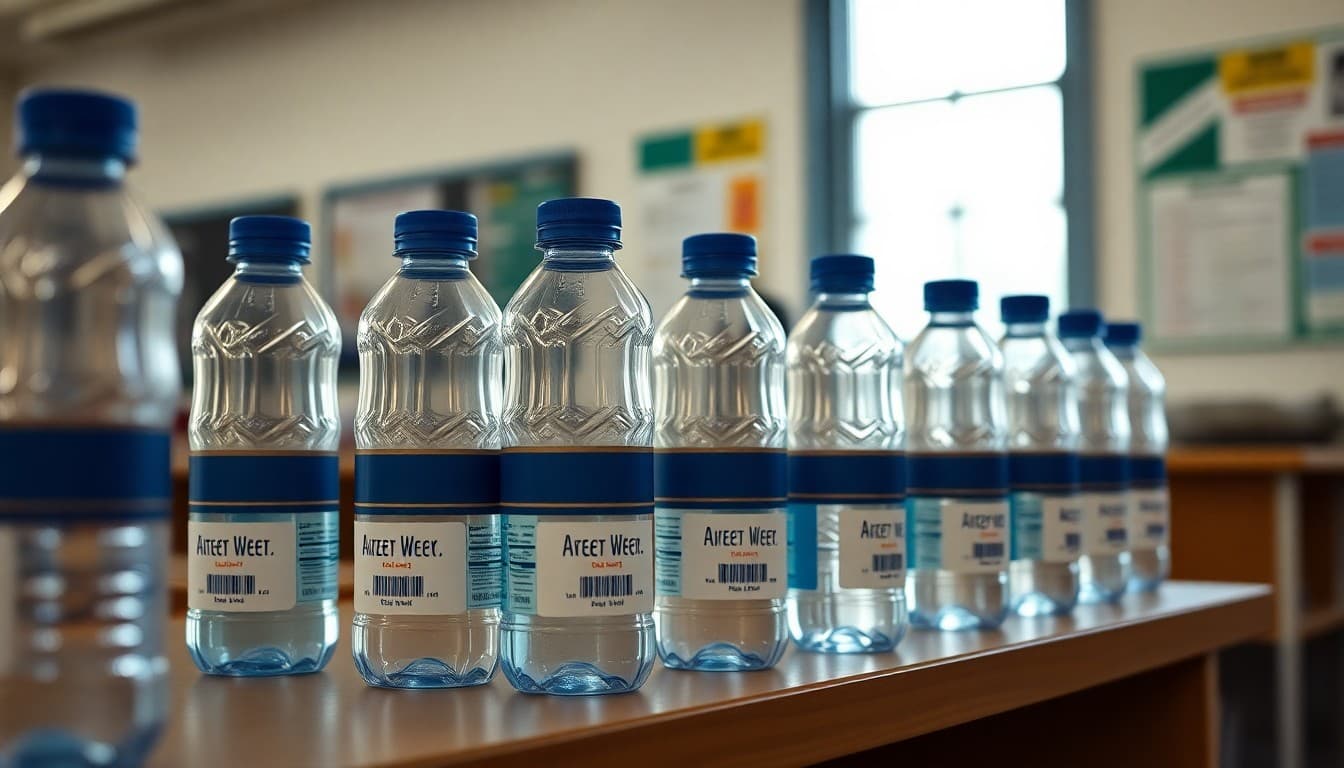
Water bottles are allowed at desks during work time. Only plain water is permitted. Bottles must have a spill-proof lid. Bottles must be labeled with the student's full name. If your classroom has additional specifics, such as no glass containers, no bottles larger than a certain size, or bottles stored in backpacks during specific activities, include those here. Families who know the exact requirements can send the right bottle from day one.
Explain How to Label the Bottle
A bottle labeled with a first name only causes daily confusion in a classroom of 25 students with three Emmas. Ask families to label bottles with the student's full name or first name and last initial using a permanent marker or a waterproof label. If your class uses color-coded cubbies or assigned storage spots, note that too. The labeling instruction sounds minor but prevents the most common water bottle problem.
Address the Sugary Drink Question
Some families will wonder about sports drinks, juice, or flavored water. The policy is water only for good reasons: sugar residue attracts pests, juice spills are far harder to clean than water spills, and flavored drinks become a distraction. A brief, matter-of-fact explanation in the newsletter prevents the question from coming up repeatedly and sets the expectation clearly before the first bottle arrives.
Note What Happens When Students Forget
Students who forget their water bottle can get water at the fountain during scheduled break times. The goal is consistent hydration access, not a policy that punishes forgetfulness. Reassuring families of this reduces the anxiety some parents feel about their child going without water all day if the bottle is left behind.
Help Families Build the Habit
The most common reason students forget their water bottle is that packing it has not yet become part of the morning routine. Suggest families add the water bottle to their child's evening backpack-packing checklist alongside homework and library books. Using Daystage, you can include this practical habit tip in the newsletter so families receive the policy alongside the strategy for following it.
Get one newsletter idea every week.
Free. For teachers. No spam.
Frequently asked questions
What should a water bottle policy newsletter include?
Explain whether water bottles are allowed at desks, what types of containers are permitted (spill-proof, water only), how bottles should be labeled, where they are stored, and how this supports learning. Including the why behind the policy helps families support it at home.
Why does hydration matter for learning?
Dehydration affects concentration, memory, and mood even at mild levels. A student who is mildly dehydrated performs noticeably worse on tasks requiring attention and problem-solving. Regular water access throughout the day supports cognitive function in ways that are meaningfully connected to classroom performance.
What type of water bottle is best for classroom use?
Spill-proof lids (push-top or straw-style) reduce the risk of spills on schoolwork and electronics. Plain water only prevents sugary drinks and juice from attracting insects or creating sticky residue on desks. Clearly labeled bottles prevent mix-ups. A reusable bottle with a secure lid labeled with the student's name meets all three criteria.
How do I handle students who forget their water bottle?
A short note in the newsletter that students who forget their bottle can still get water at designated break times reassures families that the policy does not leave students without water access. Most students will remember the bottle once the habit is established.
What tool helps teachers send newsletters efficiently?
Daystage makes classroom policy newsletters like this one quick to produce and easy for families to reference. A clear water bottle policy newsletter in the first week of school sets the expectation before any bottles arrive.

Adi Ackerman
Author
Adi Ackerman is a former classroom teacher and curriculum writer with 8 years in K-8 schools. She writes about school communication, parent engagement, and what actually works in real classrooms.
More for Classroom Teachers
Ready to send your first newsletter?
3 newsletters free. No credit card. First one ready in under 5 minutes.
Get started free