

Trimester Update Teacher Newsletter: What to Include Each Term
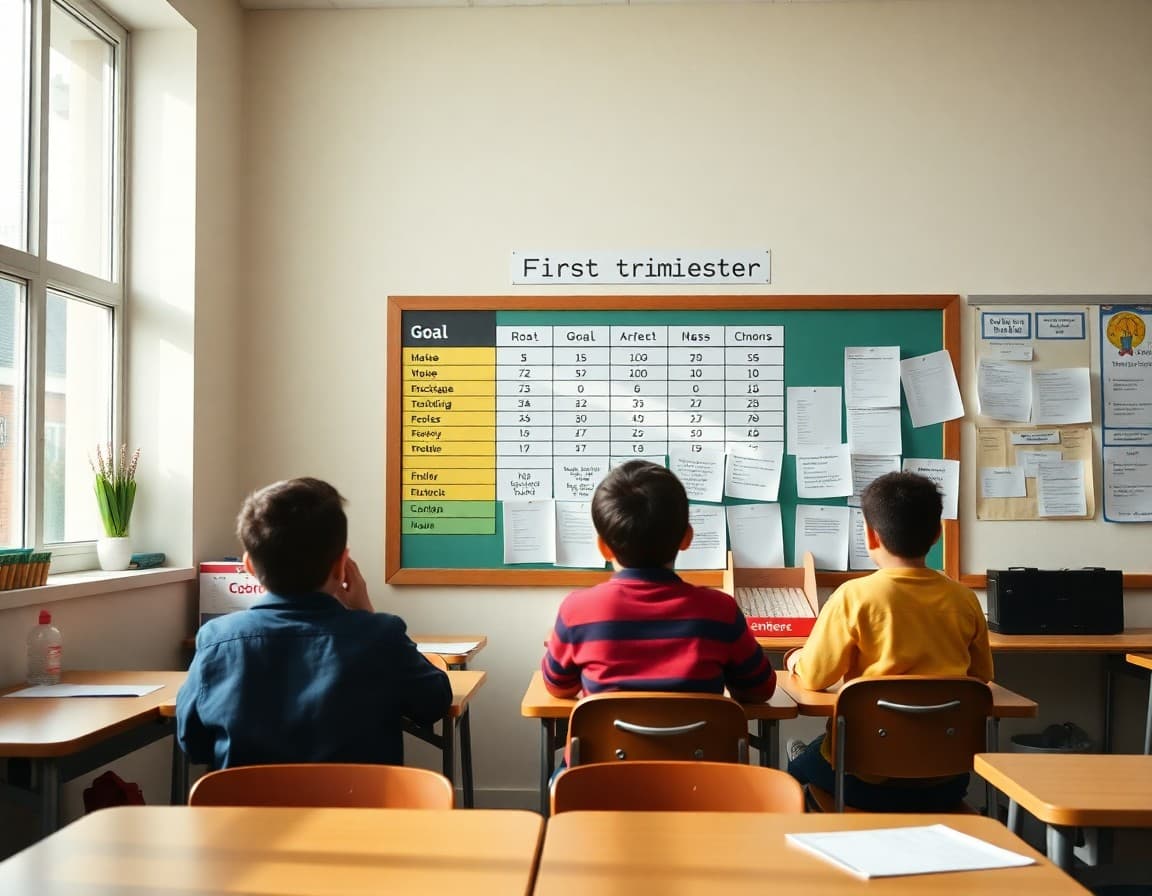
A trimester update newsletter is one of the highest-leverage communications you can send because it arrives before grades and gives families the context to receive those grades accurately. A family who reads an honest trimester update before the report card is a family who is prepared for the conversation, not blindsided by it.
Summarize the Trimester Academically
Start with an honest academic summary. Not generic praise, but specific observations about what this class accomplished in this trimester. Which units were completed? Which skills were the focus? What growth patterns did you observe? What surprised you positively? What is still developing? A two-paragraph honest summary is more valuable than a page of vague positivity.
Name the Skills Mastered
Tell families specifically which skills the class has mastered by the end of this trimester. "By the end of first trimester, most students can read fluently at grade level, organize a multi-paragraph response independently, and demonstrate understanding of place value through the thousands. These are real accomplishments." That specificity gives families something concrete to celebrate and something concrete to ask their child about.
Name the Skills Still Developing
Be equally specific about what is in progress. "Multiplying multi-digit numbers is still developing for most of the class. Reading comprehension, specifically inference, is an area where about a third of students need more support. Writing conventions, particularly capitalization and punctuation, need continued attention." That level of honesty sets accurate expectations for the report card and gives families a clear picture of where to focus home support.
Preview the Next Trimester
Tell families what the second trimester holds. Major curriculum units, skills they have not encountered yet, projects that are on the horizon. "Second trimester introduces fractions in math, opinion writing in ELA, and our major social studies research project. These are more demanding than what we did in the first trimester, and the habits students build over the next two months will directly affect how they handle that work." That preview gives families a reason to maintain attention now rather than easing off after the first report card.
Give Families Targeted Home Support Actions
Connect the current skill gaps directly to specific home actions. "If reading comprehension is the area to strengthen: ask your child to summarize what they read before bed in three sentences. That compression exercise builds the skill more effectively than reading more pages. For multiplication: ten minutes of mixed fact practice three times a week, timed to build automaticity." Specific practices tied to specific gaps produce more family follow-through than general encouragement.
Tell Families When to Expect Report Cards
Give families the exact date and format of trimester report cards. If conferences accompany the report card, tell families how to schedule them. If the report card is available online before paper copies go home, tell them that too. Families who know the logistics plan around them. Families who do not know them are surprised by timing every time.
Invite Direct Reach-Out
End by making it easy to contact you. "If your child is in an area I described as still developing, and you want to know specifically what that looks like for your child, please email me. I can give you a concrete picture of where your child is right now and exactly what the next step is. A conversation now is worth more than silence until the conference."
Get one newsletter idea every week.
Free. For teachers. No spam.
Frequently asked questions
What should a trimester update newsletter include?
Include a summary of the trimester academically, specific skills students mastered and are still developing, a preview of the next trimester's focus, and targeted family support actions that address the current gaps.
How often should I send a trimester update?
For schools on a three-trimester schedule, send one substantive update per trimester, timed about two weeks before the trimester report card. That timing gives families context before they see grades and gives you time to address concerns before grades are submitted.
What makes a trimester update different from a monthly newsletter?
A trimester update is a performance snapshot rather than a logistics or content preview. It focuses on academic progress data, patterns you have observed, and what the next instructional period will prioritize. A monthly newsletter covers curriculum, events, and reminders. Both are valuable and serve different purposes.
Should I include specific student names in a trimester update?
No. A class newsletter addresses the class as a whole. Individual student information belongs in direct parent communication or conference notes, not in a newsletter distributed to all families. Keep trimester updates at the class level, and handle individual concerns in separate communications.
Can I use Daystage to send a trimester progress update?
Yes. Daystage is well-suited for structured academic updates because you can create sections for progress highlights, current challenges, and next-trimester preview. Tracking open rates after the send helps you identify which families need a phone follow-up before the report card arrives.

Adi Ackerman
Author
Adi Ackerman is a former classroom teacher and curriculum writer with 8 years in K-8 schools. She writes about school communication, parent engagement, and what actually works in real classrooms.
More for Classroom Teachers
Ready to send your first newsletter?
3 newsletters free. No credit card. First one ready in under 5 minutes.
Get started free