
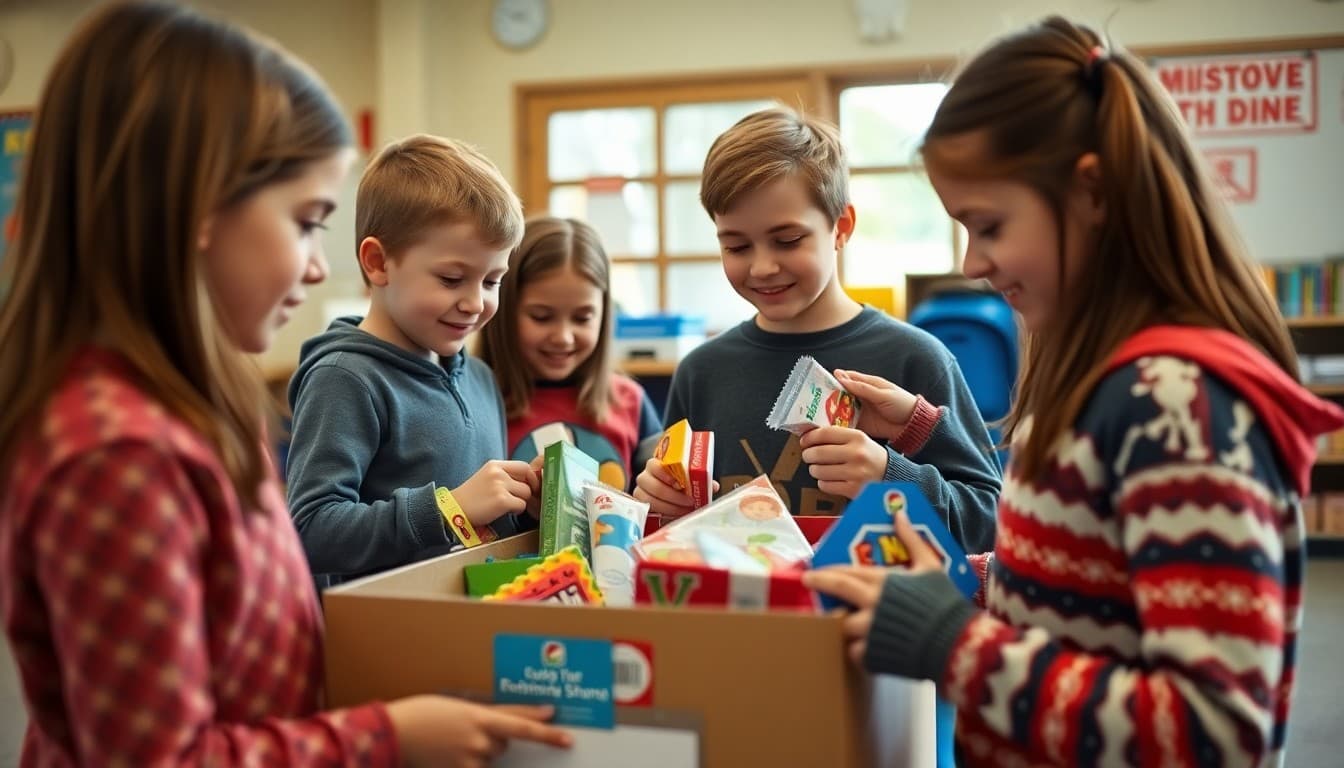
Teacher Newsletter for Toy Drive: Spread Generosity Before the Holidays
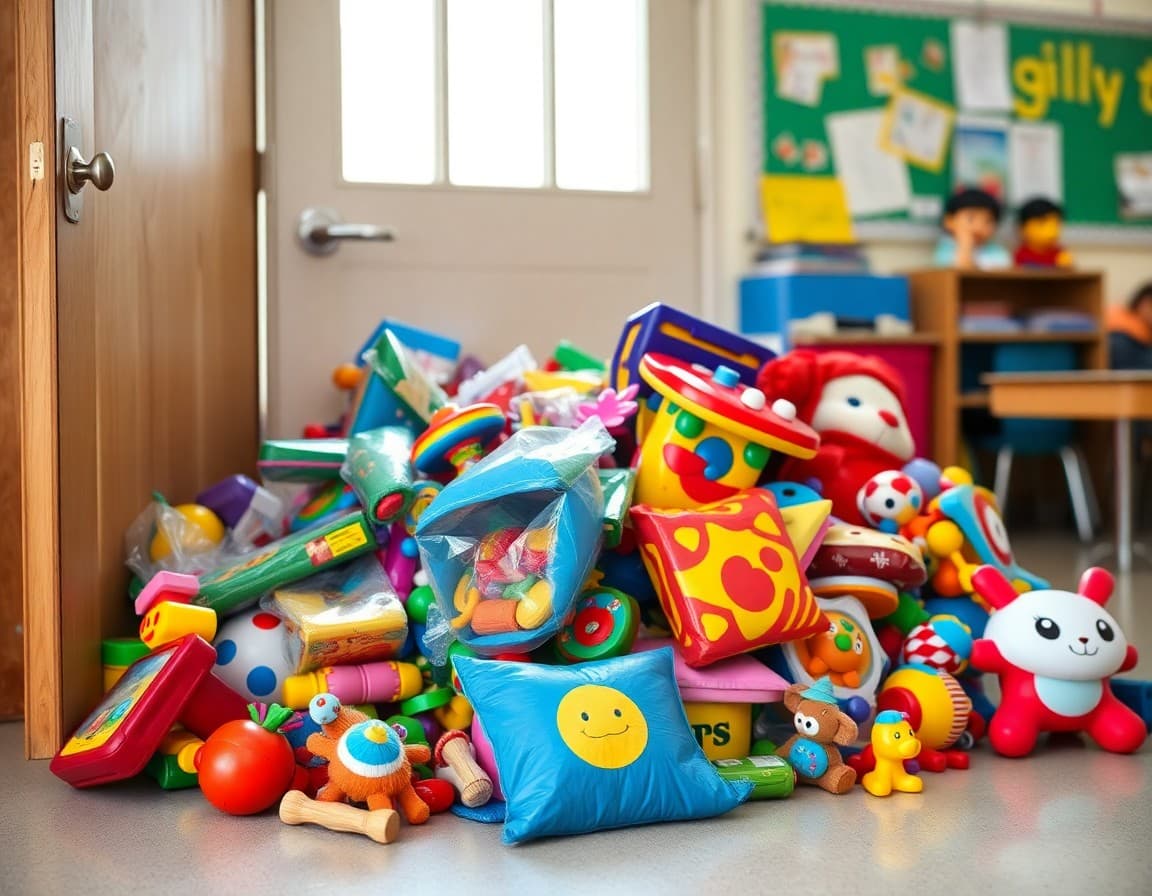
A toy drive before the holidays is one of the most tangible ways for students to practice generosity. They understand what toys mean. They know what it would feel like to not have any. Your newsletter is what turns that understanding into action across a classroom full of families.
Open with the "Why" Behind the Drive
Before you list donation guidelines, give families context. Who will receive these toys? Is it a local shelter, a family services organization, or a hospital? A brief description of who benefits and why it matters during the holiday season creates an emotional connection that a list of items alone cannot. Families who understand the destination give with more care and more generosity.
Be Specific About What to Donate
Give families a clear framework. New toys only or gently used accepted? Unwrapped or wrapped? What age ranges? What types of toys are most needed, whether that is board games, arts and crafts supplies, outdoor toys, or stuffed animals? A specific list gets specific donations. A vague ask gets random items that may not match what the organization needs.
Name the Drop-Off Details
Where does the toy go when students bring it in? Is there a collection box in the classroom, the main office, or a central school location? What is the deadline? Can items be dropped off at any time or only during specific windows? Families who have the logistics figured out are the ones who actually follow through.
Include a Price Range or Budget Guidance
Some families will want to contribute but do not know how much to spend. A sentence like "items in the $10 to $20 range are always welcome and appreciated" removes the ambiguity without setting a minimum. Families who might otherwise feel the expected gift is too expensive or not impressive enough will feel comfortable contributing within their means.
Involve Students in the Message
If your class discussed the toy drive and students offered perspectives on giving and receiving, mention that briefly. "Your child talked this week about what it means to have something special waiting on a holiday morning. They want other children to have that too." When students feel personal investment in the drive, they advocate at home in ways no teacher newsletter can replicate.
Thank Families Who Contributed
After the drive, send a brief wrap-up with the total number of items collected and a thank-you. A photo of the full collection box or of students delivering toys (with appropriate permission) is a meaningful close to the campaign. Using Daystage, you can get that message out the same day donations are picked up and deliver a moment of genuine warmth to your classroom community.
Get one newsletter idea every week.
Free. For teachers. No spam.
Frequently asked questions
What makes a toy drive newsletter effective?
Specificity and heart. Tell families exactly what kinds of toys are needed, what age ranges to shop for, whether toys should be unwrapped, and where to drop them off. Then connect the donation to a real child or family who will receive it. Families who feel the impact of their donation participate more generously.
Should toys be new or can families donate gently used items?
Many toy drives accept new toys only. Others welcome gently used items in good condition with all pieces included. Your newsletter should state this clearly upfront. Families who donate gently used toys when new are required will be disappointed to have items turned away.
What age ranges should the newsletter specify?
Include the full range your partner organization serves. If they serve newborns through age 12, say so. If they have a specific need for a certain age group, highlight that. Families with young children at home will naturally gravitate toward familiar age ranges, so naming the full spectrum helps fill gaps.
Should the teacher donate a toy in the newsletter?
Mentioning that you are contributing alongside your students is a nice touch, especially for younger grades where modeling generosity is part of the lesson. It does not need to be a big deal. One sentence noting that you will be adding something to the collection box is enough.
What tool helps teachers send newsletters efficiently?
Daystage makes toy drive newsletters easy. You can send a clear, warm message with donation guidelines, drop-off details, and a photo of the collection box to your full parent list. The format works on all devices and takes only a few minutes to put together.

Adi Ackerman
Author
Adi Ackerman is a former classroom teacher and curriculum writer with 8 years in K-8 schools. She writes about school communication, parent engagement, and what actually works in real classrooms.
More for Classroom Teachers
Teacher Newsletter for Food Drive: Inspire Generosity and High Turnout
Classroom Teachers · 6 min read
Teacher Newsletter for Book Drive: Build a Culture of Reading and Giving
Classroom Teachers · 6 min read
Communicating a Community Service Project in Your Classroom Newsletter
Classroom Teachers · 5 min read
Ready to send your first newsletter?
3 newsletters free. No credit card. First one ready in under 5 minutes.
Get started free