

Teacher Newsletter for Book Drive: Build a Culture of Reading and Giving
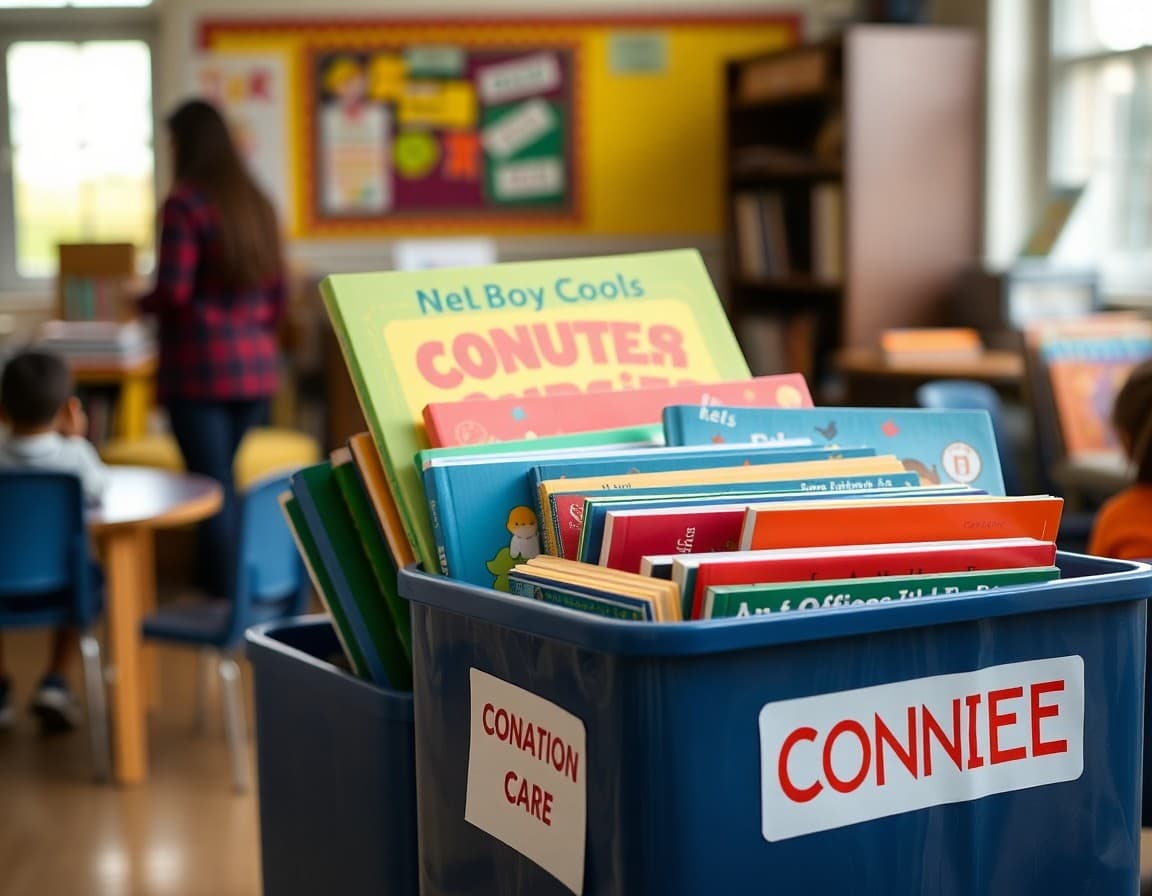
A book drive does two things at once. It puts books in the hands of children who do not have them, and it teaches your students that what they have read and loved can travel to someone else and do the same. Your newsletter is what makes that lesson concrete for families and drives the donations that make it possible.
Name the Beneficiary Specifically
Who will receive the donated books? A school with an underfunded library? A family literacy program? A pediatric hospital waiting room? A shelter for children in crisis? The more specific the beneficiary, the more intentional the donation. Families who can picture the child holding the book they donate are more motivated than families who see a generic collection box.
Describe What Books Are Most Needed
Give families a clear target. If the beneficiary has specific gaps, mention them: beginning readers, bilingual titles, books featuring diverse characters, nonfiction for ages eight through twelve. If any book in good condition is welcome, say that too, but naming a priority helps families make a more purposeful selection rather than reaching for whatever is easiest to grab off the shelf.
Set Clear Condition Guidelines
Gently used books in readable condition are usually acceptable. No torn pages, missing covers, or writing on most pages. A brief condition guideline in the newsletter prevents families from donating items that cannot be used and prevents you from sorting through unusable donations. A two-sentence standard is all you need.
Invite Students to Choose Thoughtfully
Encourage students to find one or two books from home that they have read and loved and are ready to pass forward. This exercise teaches something different from simply purchasing a new book to donate. It asks students to value what they have and recognize that something they have finished with can still have a life with another reader. Mention this in the newsletter so families can facilitate the conversation at home.
Include Drop-Off Details
Where and when can families bring books? Is there a rolling drop-off throughout the drive period or a specific collection day? Is there a labeled box in the classroom or does everything go to a central school location? Cover every logistical question in the newsletter so there is no friction between the decision to donate and the act of doing it.
Share the Final Count
After the drive, send a wrap-up with the total number of books collected. If you have a photo of the stack or a note from the receiving organization, include it. Using Daystage, you can put this together quickly and give your classroom community the satisfaction of seeing what their collective effort produced.
Get one newsletter idea every week.
Free. For teachers. No spam.
Frequently asked questions
What types of books should the newsletter request?
Be specific about grade levels and conditions. Picture books, early readers, and chapter books for elementary ages are usually most needed. If your organization also accepts teen or young adult titles, include those. Gently used books with no torn pages, missing covers, or excessive markings are generally accepted. New books are always welcome.
How do I ensure donated books match what families need?
If your book drive benefits a specific classroom, school, or organization, mention what gaps they are trying to fill. Do they need books in Spanish? More nonfiction? Chapter books for upper elementary? Named needs result in better donations than generic requests.
Should students declutter their own shelves for the drive?
Encouraging students to thoughtfully choose one or two books to donate is a powerful values lesson. Your newsletter can invite this by noting that a book that has been read and loved is ready for a new reader. Frame it as stewardship rather than giving away something unwanted.
How do I handle books that are too worn to donate?
Mention in the newsletter that books should be in readable condition and give one or two examples of what is not acceptable. This saves everyone time and prevents students from feeling embarrassed when an item is turned away.
What tool helps teachers send newsletters efficiently?
Daystage is a great tool for book drive communications. You can include a photo of the collection box, a list of most-needed titles or genres, and progress updates in a polished newsletter sent directly to your parent list in minutes.

Adi Ackerman
Author
Adi Ackerman is a former classroom teacher and curriculum writer with 8 years in K-8 schools. She writes about school communication, parent engagement, and what actually works in real classrooms.
More for Classroom Teachers
Teacher Newsletter for Food Drive: Inspire Generosity and High Turnout
Classroom Teachers · 6 min read
Teacher Newsletter for Toy Drive: Spread Generosity Before the Holidays
Classroom Teachers · 6 min read
Library Updates in Your Classroom Newsletter: What to Share with Parents
Classroom Teachers · 5 min read
Ready to send your first newsletter?
3 newsletters free. No credit card. First one ready in under 5 minutes.
Get started free