

How to Write a Student Council Newsletter as a Classroom Teacher
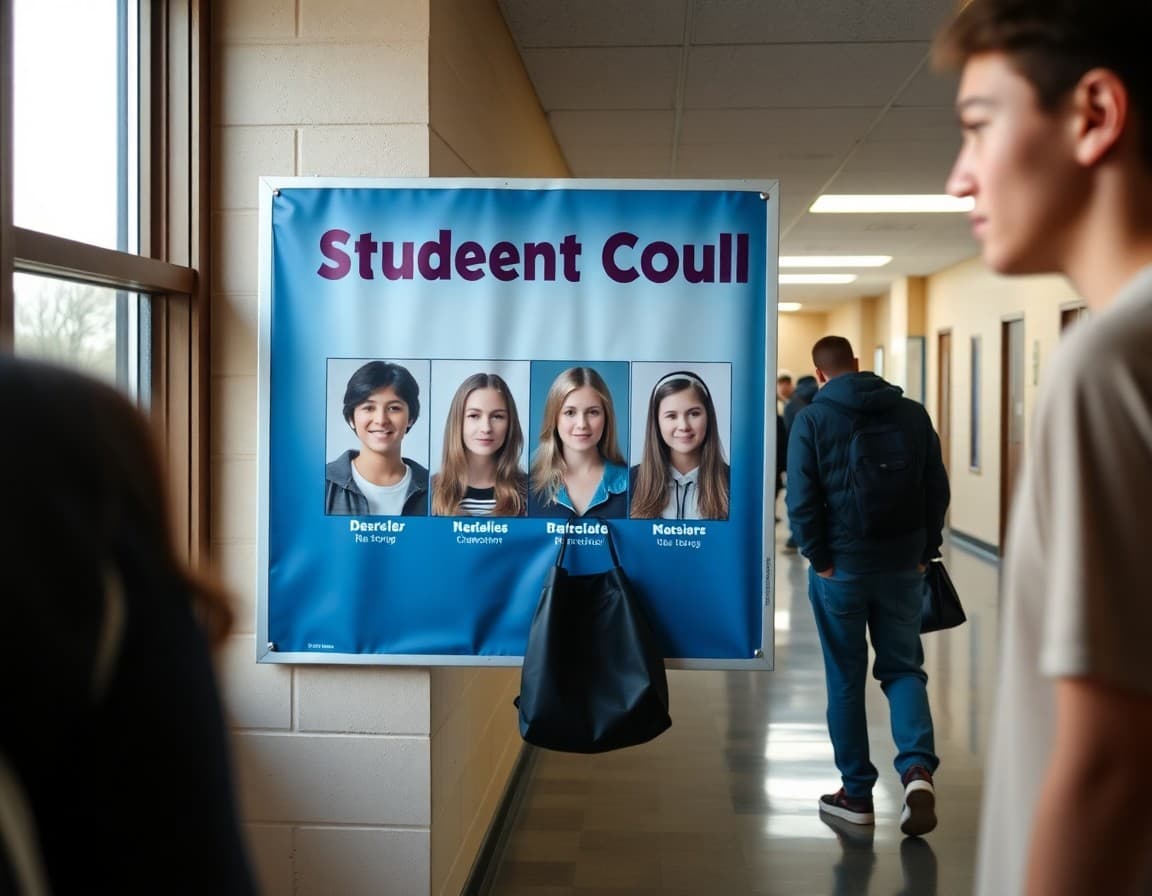
Student council is one of the most high-visibility school programs, but classroom families often experience it from a distance unless their student is directly involved. A classroom teacher newsletter about student council brings the whole class into the experience, whether students are running, voting, or watching their representative bring class concerns to the larger school community.
Introduce the program in context
Not every family knows what student council does at your specific school. Start with a brief description. "Student council at [school name] meets monthly, plans school events, brings student concerns to administration, and leads community service initiatives. Each classroom has a representative who attends meetings and reports back to our class." That paragraph connects the abstract concept to something concrete at your school.
Explain the timeline and how students participate
When are nominations or applications due? When are speeches given? When does voting happen? Whether your school runs a full election or selects representatives through an application process, your newsletter should tell families exactly how it works and when the key dates are. Families who do not know the timeline cannot support their student through the process.
Tell families what a strong candidate speech looks like
Speeches are often the most stressful part for students who want to run. Give families a preview of what is expected. "Candidate speeches are two to three minutes long. Strong speeches include why the student wants to serve, one or two specific things they would like to work on if elected, and something about who they are as a community member. Families can help by listening to practice runs at home."
Name the parent role clearly
The most common mistake families make is writing the speech for their student. Address this directly but without accusation. "The speech should be in your student's own words. The most effective support is to ask them questions: What do you care about at school? What would you want to change? What do you want other students to know about you? Then let them answer and write." This guidance produces better speeches and more confident students.
Prepare families for all outcomes
If your class has more candidates than spots, some students will not be selected. Prepare families in advance. "Not everyone who runs will be elected. Running is a courageous thing to do regardless of the outcome. I will be supporting every student who puts themselves forward, and I hope you will too. Students who run and do not win are still modeling something important for the whole class."
Celebrate participation publicly
A newsletter mention for every student who ran acknowledges the courage it took. "Our class had four students run for student council this year. Thank you to all of them for representing us in the election." This recognition matters for the students who did not win and reinforces the culture you are building around effort and community contribution.
Update families on what the representative is doing
Once your representative is serving, keep families connected. A brief monthly note about what your student council representative has been working on closes the loop and shows families that the program has real substance. "Our student council representative attended the October meeting and reported that the student body voted to add a new lunch seating option. Your student can ask them about it."
Daystage makes it easy to include a student council section in your regular newsletter with election timelines, speech tips, and representative updates throughout the year.
Get one newsletter idea every week.
Free. For teachers. No spam.
Frequently asked questions
What should I include in a student council newsletter as a classroom teacher?
The election or participation timeline, how students from your class can run or vote, what student council does at your school, what a candidate speech looks like, and how families can support a student who wants to run without writing the speech for them.
How do I encourage students to run for student council without pressuring reluctant ones?
Frame it as an option that is right for some students and not others. There is genuine value in student council for students who want it, and genuine value in other kinds of leadership for students who do not. Your newsletter can present the opportunity without implying that not running is a missed chance.
What should I say in my newsletter about the voting process?
Explain who can vote, when voting happens, and what students are voting on. If your class has a representative seat, explain what that role involves. Families who understand the process feel more connected to it and more likely to discuss it meaningfully at home.
How do I handle students who run and do not win?
Prepare families for this possibility in the newsletter. 'Running takes courage regardless of the outcome. Students who do not win this cycle learn something real about perseverance and about trying again.' Families who receive this framing in advance handle the outcome conversation at home better.
Can Daystage help me send student council communications to classroom families?
Yes. Daystage lets you send a targeted newsletter to your class families with timelines, candidate speech tips, and voting information all in one place.

Adi Ackerman
Author
Adi Ackerman is a former classroom teacher and curriculum writer with 8 years in K-8 schools. She writes about school communication, parent engagement, and what actually works in real classrooms.
More for Classroom Teachers
Ready to send your first newsletter?
3 newsletters free. No credit card. First one ready in under 5 minutes.
Get started free