
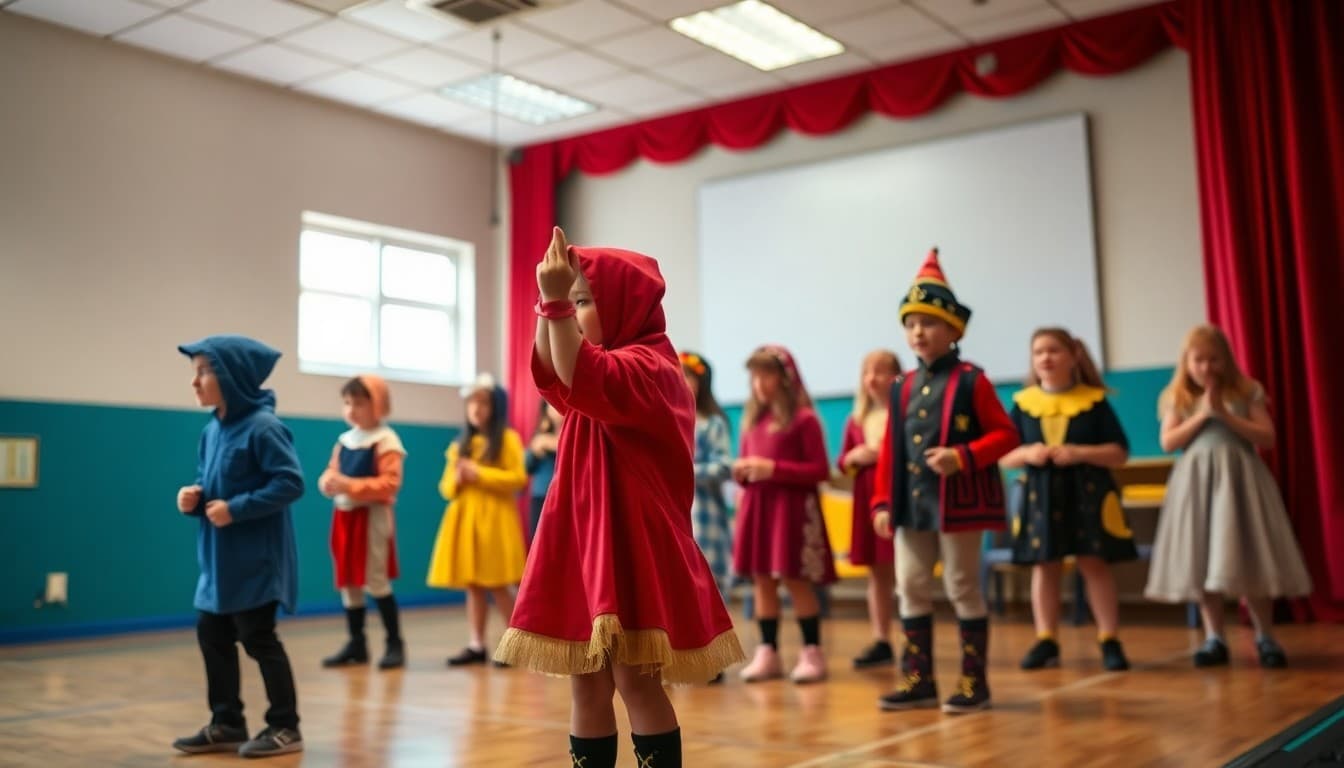
How to Write a School Play Newsletter to Families and Supporters
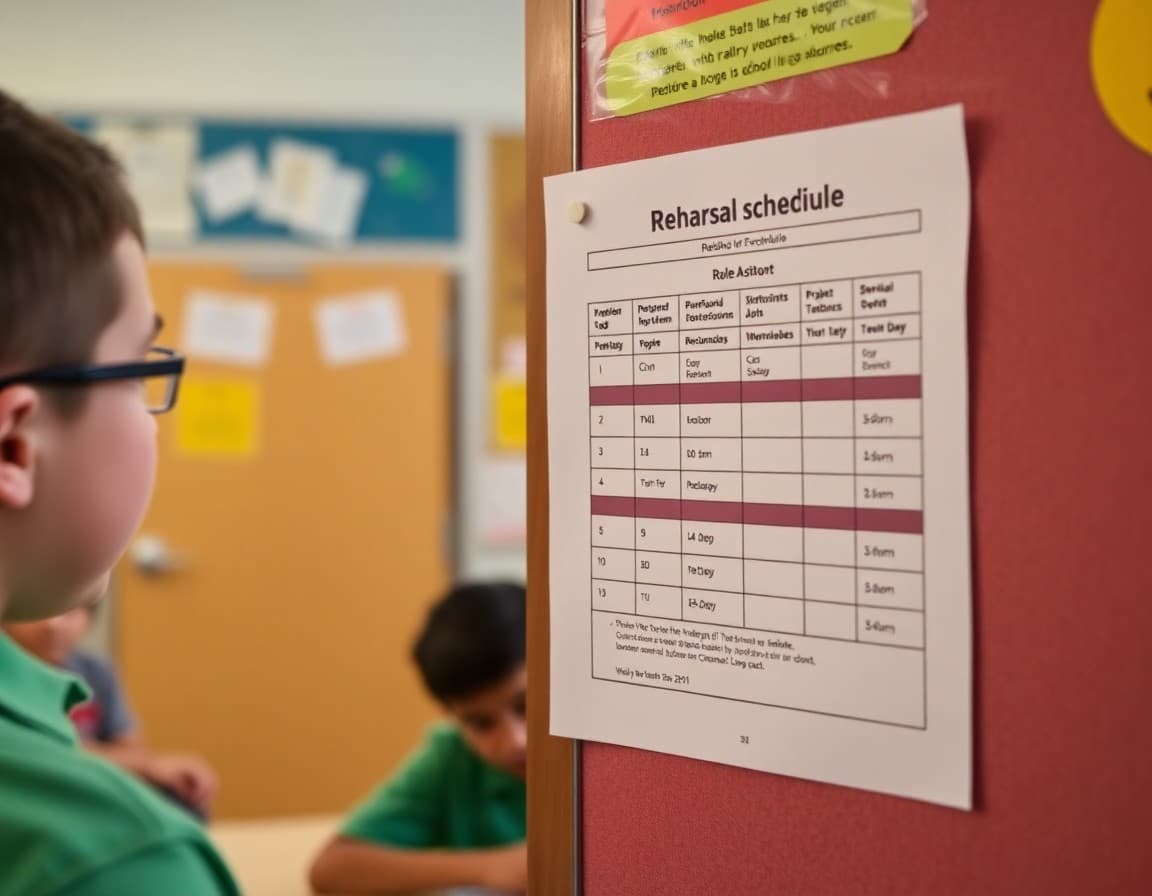
School play newsletters have to do a lot of work. They need to build excitement, manage expectations about casting, communicate a detailed rehearsal commitment, coordinate costume and volunteer logistics, and do all of it in a tone that keeps every family feeling included regardless of the role their child received. Done well, the newsletter makes the whole production run more smoothly.
Announce the production with genuine excitement
Start with the title, the story, and why you chose it. A little context about why this particular production is meaningful for your students goes further than a plain announcement. If the play connects to a theme the class has been exploring, say so. Families who understand the purpose behind the production treat rehearsals and performances as more than a logistical obligation.
Handle casting language carefully
Casting is the part of school play communication that generates the most parent friction. Your newsletter should frame roles as part of a whole before any casting is announced. When you release cast lists, celebrate every role. Name the ensemble, the crew, the set designers, the stage managers. Avoid language that implies a hierarchy of importance. The family of the student on spotlight duty is just as invested as the family of the lead.
Be explicit about rehearsal expectations
List the rehearsal schedule clearly. Which days, which students are called, how long rehearsals run, when the full cast is needed versus small groups. Also be clear about what the policy is for missed rehearsals. Families who have a clear picture of the commitment can plan around it. Vague rehearsal information leads to students showing up when they should not and missing rehearsals they were supposed to attend.
Address the volunteer and costume needs
School plays often need family volunteers for costumes, set construction, props, front-of-house, and the performance itself. Be specific about what you need, when you need it, and how families can sign up. For costumes, give clear descriptions of what students should bring from home or what the school will provide. Ambiguity here results in children arriving in wildly inconsistent costumes or not at all.
Share the learning rationale
Families who understand what their child is developing through the production treat rehearsal conflicts differently. Public speaking, confidence, collaboration, memorization, empathy through character study, musical skills. Naming these explicitly in your newsletter helps families prioritize the commitment even when it competes with other activities.
Describe ticketing and performance logistics
Performance dates, times, where to buy tickets, whether there are reserved sections for families of performers, arrival time, and whether there is a reception afterward. All of this belongs in a single organized section of your newsletter so families do not have to track down details from multiple sources as the performance date approaches.
Send updates throughout the production process
A single announcement newsletter at the start is not enough for a months-long production. Send updates at key moments: cast list release, two weeks before the first performance, and a final logistics reminder the week of the show. Families who stay informed throughout feel connected to the process rather than scrambling at the last minute.
Daystage makes the whole communication arc manageable, from the audition announcement to the post-show recap, through one simple platform. When families have a clear record of all the details, the production itself gets to be the exciting part.
Get one newsletter idea every week.
Free. For teachers. No spam.
Frequently asked questions
How do I handle casting announcements in a school play newsletter?
Announce casting in a way that celebrates every role without ranking them. Avoid language that implies lead roles are more important than ensemble or crew roles. Every student who participates has a function that makes the production work. Framing it this way in your newsletter sets the right expectation before a parent calls to complain about the part their child received.
What should a school play newsletter include?
The production title, the performance dates and times, the rehearsal schedule, any volunteer or costume needs, ticketing information, what families should do to prepare their student, and a note about the learning value of participation beyond performance skills.
How do I communicate rehearsal expectations to families?
Be clear about the rehearsal schedule from the start, including which students are called for which rehearsals, the expected commitment in terms of hours per week, and what happens when a student misses a rehearsal. Families who understand the commitment upfront experience far less conflict with you about schedule changes later.
How do I handle families who are disappointed about their child's role?
Your newsletter can preemptively address this by explaining your casting process and the value of every role in the production. Acknowledge that casting decisions are difficult and that all students who participate are learning real skills regardless of stage time. This does not eliminate every complaint, but it reduces misunderstandings.
What tool helps teachers manage school play communication?
Daystage makes it easy to send the initial production announcement, rehearsal schedule updates, costume request notes, and ticket information all through the same newsletter platform so families have a complete communication record from auditions to opening night.

Adi Ackerman
Author
Adi Ackerman is a former classroom teacher and curriculum writer with 8 years in K-8 schools. She writes about school communication, parent engagement, and what actually works in real classrooms.
More for Classroom Teachers
Ready to send your first newsletter?
3 newsletters free. No credit card. First one ready in under 5 minutes.
Get started free