

How to Write a School Carnival Newsletter to Families
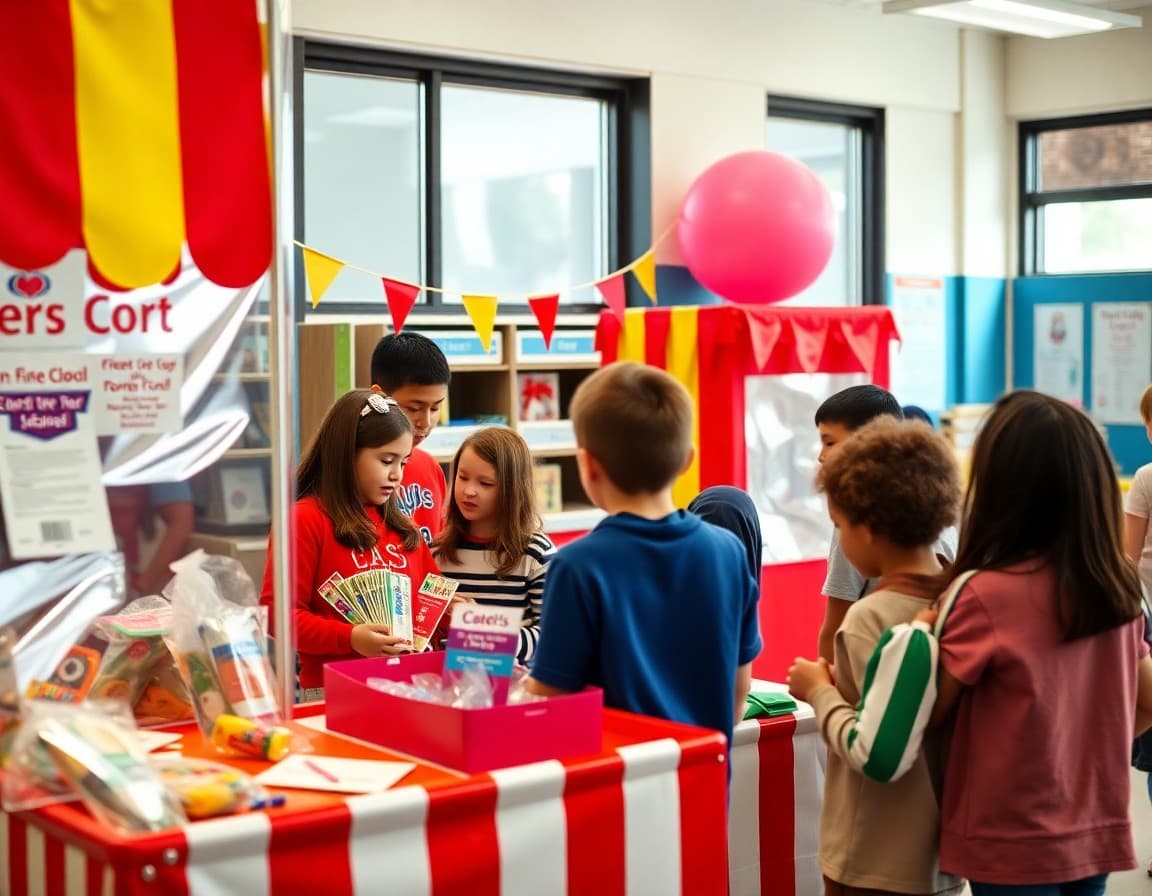
School carnivals are community events, and community events live or die by their communication. A well-organized newsletter builds excitement, answers the logistics questions families have before they have to ask, and makes it easy for parents who want to volunteer to find their spot. A disorganized newsletter produces a disorganized event.
Open with the energy, not the details
Start with what makes this carnival worth clearing a Saturday afternoon for. A brief, enthusiastic description of the highlights, the games, the food, the performances, sets the right tone before you get into logistics. Families who feel excited first and informed second are more likely to mark the date and plan to attend than families who receive a dry list of times and fees.
List the activities and highlights
Give families a preview of what will be at the carnival. Game booths, food stations, a dunk tank, a bounce house, student performances, a raffle. The more specific you are, the more concrete the mental picture families form. Students who hear about specific activities from the newsletter will be talking about them for days and doing your marketing work for you.
Explain the ticketing and payment system
Whether the carnival uses tickets, wristbands, or cash, explain the system clearly. How do families buy in advance? Is there a gate price? Are some activities free and others ticketed? Do families need exact change? Handling this section clearly prevents the long lines and confusion at the entry table that can sour the experience before it begins.
Address food and allergies
List the food options and note common allergens. If there is a designated allergen-aware area, mention it. If outside food is welcome, say so. Families navigating dietary restrictions need this information to plan, and they appreciate getting it proactively rather than having to ask.
Recruit volunteers in the newsletter
Carnivals need volunteer staff and the newsletter is your primary recruitment tool. List specific roles with shift times and a brief description of what each involves. Link to a sign-up form if possible. Families who feel like they can contribute in a defined, manageable way are far more likely to volunteer than families who receive a vague "we need help" ask.
Include the practical details families need
Parking location, entry gate, whether to bring cash or a card, what to wear for outdoor activities, whether strollers are welcome, restroom locations. These may seem small but they are what make the difference between a smooth family experience and one where the first fifteen minutes are spent figuring out the basics.
Connect to the fundraising purpose if applicable
If the carnival raises money for something specific, say what it is. Families who understand that their ticket purchases fund new playground equipment or classroom materials feel better about spending money than families who are not sure where it goes. Transparency about the fundraising purpose increases both participation and generosity.
Daystage handles the full carnival communication sequence from the save-the-date newsletter to the day-of reminder, with tools to collect volunteer sign-ups in the same place. Families who stay informed throughout are the ones who show up and stick around.
Get one newsletter idea every week.
Free. For teachers. No spam.
Frequently asked questions
What should a school carnival newsletter include?
The event date, time, location, and hours; what activities will be available; ticketing or payment information; food and allergy information; volunteer opportunities and how to sign up; parking and entry details; and any fundraising goal the carnival supports.
How far in advance should I send a school carnival newsletter?
Two to three weeks in advance for the main invitation, with a reminder one week before and a final logistics note the day before or the morning of. Carnival events benefit from more touchpoints than a single newsletter because they involve multiple logistics families need to coordinate.
How do I use the carnival newsletter to recruit volunteers?
Be specific about what volunteer roles are available, what each role involves, and when shifts run. Families are more likely to sign up when they know exactly what they are committing to. A link to a sign-up sheet or form in the newsletter removes friction and makes it easy to commit in the moment.
How should I handle food and allergy information in a carnival newsletter?
If food is being served, list what will be available and note any common allergens. If families can bring outside food, clarify that. Designating an allergen-aware zone and noting it in your newsletter helps families with dietary restrictions navigate the event safely.
What tool helps teachers communicate about school carnivals?
Daystage makes it easy to send a school carnival announcement with volunteer sign-up links and follow-up reminders so the whole event communication lives in one organized place for families.

Adi Ackerman
Author
Adi Ackerman is a former classroom teacher and curriculum writer with 8 years in K-8 schools. She writes about school communication, parent engagement, and what actually works in real classrooms.
More for Classroom Teachers
Ready to send your first newsletter?
3 newsletters free. No credit card. First one ready in under 5 minutes.
Get started free