
Writing a Robotics Club Newsletter That Gets Parents Excited
Robotics club newsletters have one job: make parents feel connected to something they probably cannot picture. Most families have never seen a VEX competition or watched a team debug a sensor. Your newsletter is the window. When you write it well, parents stop seeing robotics as an afterschool activity and start seeing it as one of the most valuable things their student does all week.
Lead with what the robot actually did
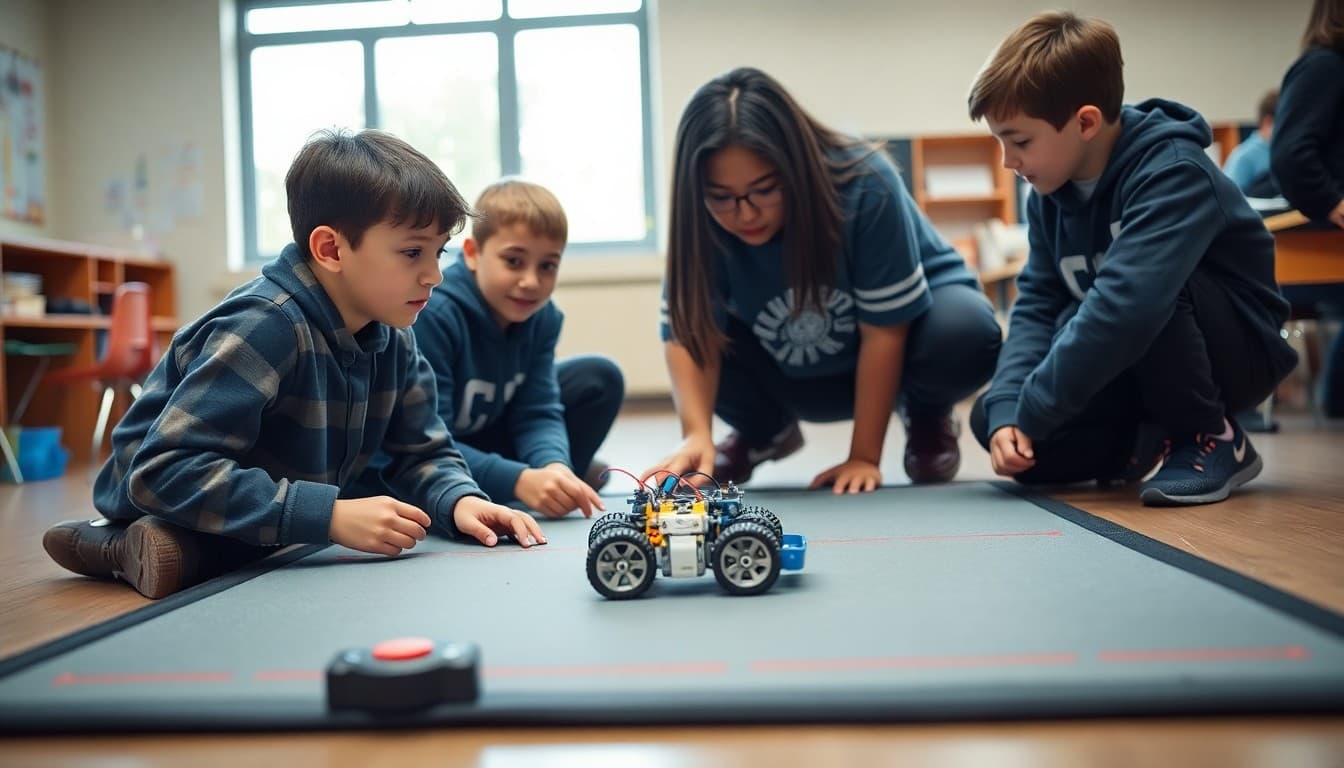
Do not start with curriculum objectives or club goals. Start with what happened. "This week our team got the robot to navigate the full obstacle course without stopping. It took four tries and a lot of recalibrating." That sentence alone gives parents more context than a paragraph of explanation. Specifics make the work feel real.
Name the engineering and design process
Robotics is not just building. It is an iterative engineering cycle. When you name that process in the newsletter, parents start to see the deeper learning. "Students designed, built, tested, found a problem, redesigned, and tested again" describes a professional engineering workflow. Help parents understand their child is practicing something engineers do every day.
Explain the teamwork layer
Most parents assume robotics is a solo tech activity. Show them the collaboration. Who handled programming this week? Who focused on the mechanical build? Who ran the testing? Describing roles helps parents see that their student is learning to work on a team under pressure, which is arguably more valuable than any technical skill.
Give competition logistics early and clearly
Competition prep newsletters need specifics: date, location, arrival time, what to bring, how long the event runs, and whether parents can watch. Do not assume families know how a robotics competition works. A short "here is what to expect" section saves you a dozen individual questions and reduces day-of confusion for everyone.
Set a realistic emotional frame for competition results
Students who face intense parental pressure after a loss burn out faster. Use your newsletter to set expectations before competition day. Acknowledge that scores matter less than growth, that losing a round teaches strategy, and that the goal is long-term love of problem-solving, not a trophy. Most parents will take that cue.
Share photos or short video clips
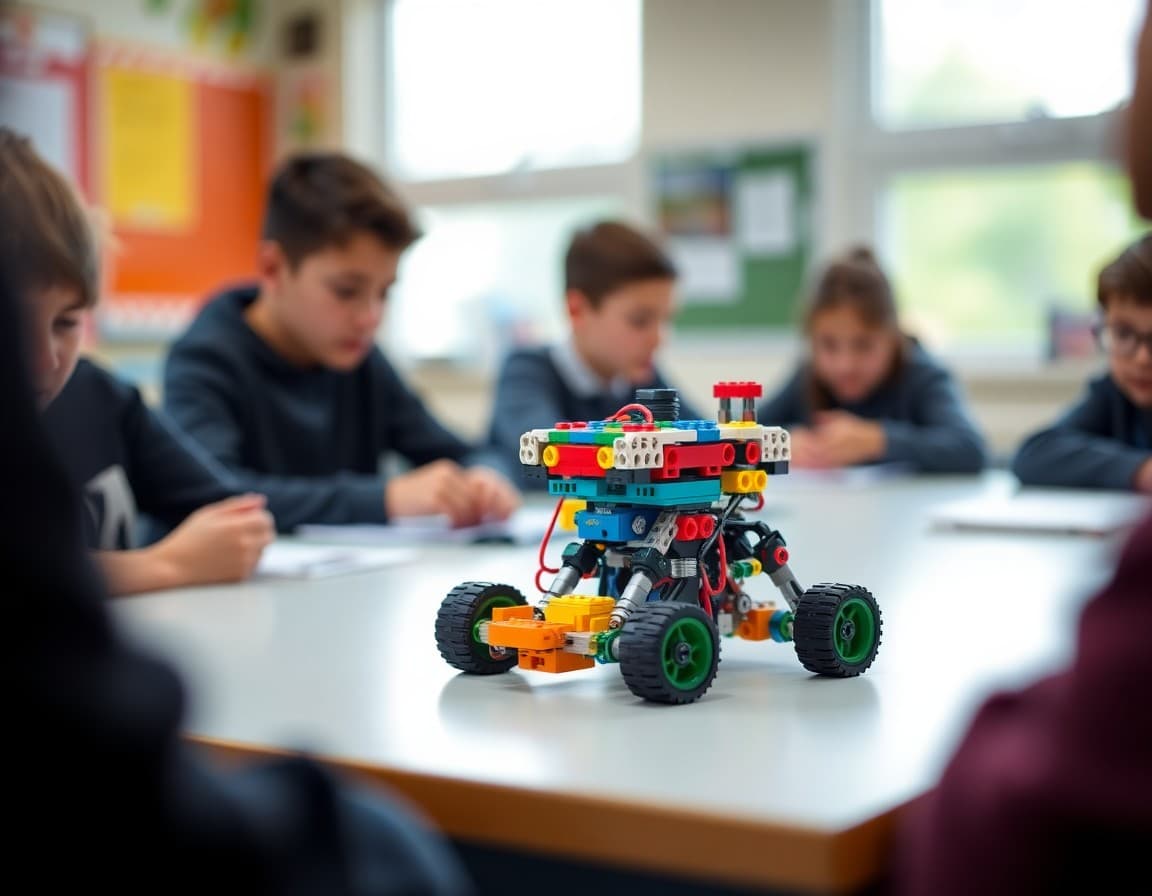
A picture of the robot mid-run, or a ten-second clip of a successful autonomous sequence, does more for parent engagement than any amount of description. If your school policy allows it, embed one image per newsletter. Parents share these with family. It expands your audience and builds pride across the whole community.
Close with a specific ask
Robotics club often needs small things: cardboard for prototyping, a parent with engineering background willing to volunteer for a session, transportation help for an away competition. End each newsletter with one specific ask. A focused request gets better responses than a general call for help.
Get one newsletter idea every week.
Free. For teachers. No spam.
Frequently asked questions
What should a robotics club newsletter include?
Current build or programming challenge, skills students are practicing, upcoming competition dates, what parents can do to help, and a piece of student work or a photo if you have one. Keep it focused: one or two key updates per send.
How do I explain robotics vocabulary to parents?
Define terms in context rather than in a glossary. 'Students used sensors, which are parts that let the robot detect distance, to navigate the course.' The embedded definition is less disruptive than a footnote.
How far in advance should I notify parents about a robotics competition?
Announce competitions at least four to six weeks out. Send a reminder two weeks before and a final logistics note three days before. Families need time to arrange schedules, and early notice signals that the event matters.
How do I handle parent frustration when teams lose competitions?
Address it in the newsletter before competition day. Frame competitions as learning experiences explicitly. 'We are going to win some matches and lose others. Both teach our students something the build phase cannot.' Setting that expectation reduces the pressure kids feel from home.
Can Daystage help me organize robotics club communication across the whole season?
Yes. Daystage lets you build a series of newsletters, schedule them in advance, and keep all your club communication in one place so you are not recreating a format every two weeks.

Adi Ackerman
Author
Adi Ackerman is a former classroom teacher and curriculum writer with 8 years in K-8 schools. She writes about school communication, parent engagement, and what actually works in real classrooms.
More for Classroom Teachers
Ready to send your first newsletter?
3 newsletters free. No credit card. First one ready in under 5 minutes.
Get started free