
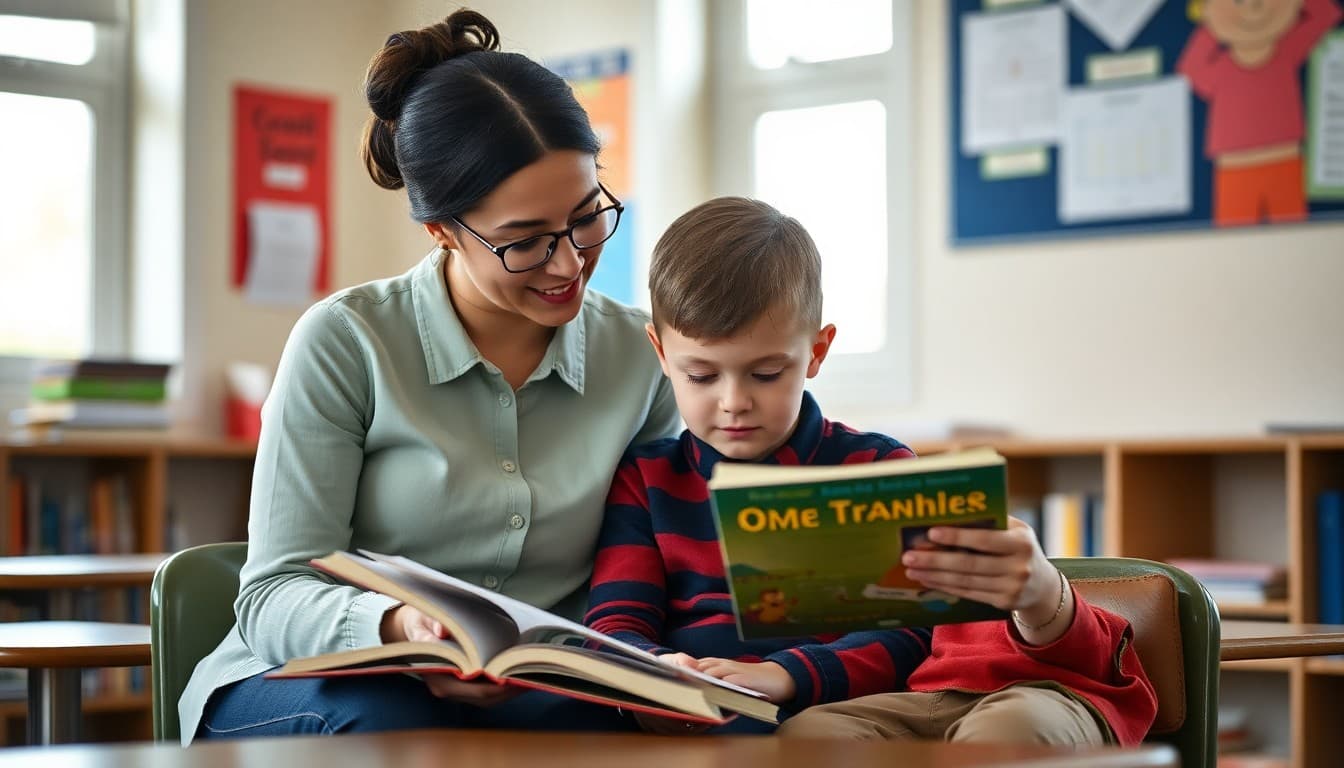
Teacher Newsletter for Reading Conferences: What Families Should Understand

Reading conferences are the most individualized instruction a classroom teacher can provide. In a three-to-five-minute conversation, you can assess a reader's current level, identify a specific point of confusion or growth, make a targeted teaching move, and set a goal that matters for that student specifically. A newsletter that explains this practice to families builds trust in your reading program and helps parents see that their student is getting personalized attention even in a room of twenty-five.
Define what a reading conference is
A reading conference is a short, intentional one-on-one meeting between you and a student about their reading. It is not a quiz. It is not a performance. It is a conversation designed to assess where the student is as a reader, teach one specific skill, and set a goal for next time. Most parents have never experienced this format and will find it interesting when you describe it clearly.
Explain how conferences fit into the reading block
Tell families when and how often conferences happen. "While other students are reading independently, I meet with two or three students each day for a brief one-on-one conversation about their book and their reading skills." This explains how you can provide individualized instruction without stopping the class and without parents worrying that their student is being pulled out for intervention.
Walk through what happens in a typical conference
Give families the step-by-step picture. The student reads a short passage aloud. The teacher listens and notes patterns. The teacher asks one or two targeted questions. The teacher names a strength and makes one specific teaching point. The conference ends with a clear, achievable goal: "Next time, I want you to notice when you skip a word and go back for it." This transparency builds family confidence in the approach.
Share what conference notes reveal over time
Over the course of a term, reading conference notes create a detailed portrait of each student's reading development. Tell families this. "I track what we discuss in each conference, so I can see patterns over time and make sure I am teaching toward each student's specific next step rather than repeating the same instruction." This is the kind of individualization that parents most want to know is happening.
Tell families how conference goals translate to home reading
When appropriate, share a student's current reading goal with their family. Not every conference produces a home-practice-worthy goal, but many do. "This week ask your student what their reading goal is and listen while they practice it out loud for two minutes" is a home connection families can use. Students who hear that their teacher shared their goal with the family take it more seriously.
Explain how conferences differ from formal assessments
Reading conferences are formative, not evaluative. They are designed to guide instruction, not to generate a grade. Tell families this distinction. The conference is a tool for the teacher as much as for the student. Parents who understand that the conference is a teaching conversation rather than a test do not coach their students to perform for it.
Invite families to share what they notice at home
Parents who read with their student at home often notice things that do not show up in the classroom: avoidance behaviors, specific books that unlock enthusiasm, or a change in fluency. Invite families to share these observations with you. "If you notice something about your student's reading at home that you think I should know, please reach out. Home reading behavior is valuable data." This makes families feel like partners rather than observers.
Get one newsletter idea every week.
Free. For teachers. No spam.
Frequently asked questions
What is a reading conference and how do I explain it to parents?
A reading conference is a brief, one-on-one meeting between a teacher and a student about their reading. It typically includes listening to the student read, asking comprehension and analysis questions, teaching a specific skill, and setting a goal. It is the most individualized reading instruction available in a classroom setting.
How long is a typical reading conference?
Most reading conferences run three to seven minutes. That is enough time to listen to a student read a short passage, ask a few targeted questions, make one teaching point, and set a clear next step. The brevity is intentional: frequent short conferences are more effective than infrequent long ones.
What do you do during a reading conference?
The standard structure is: the student reads aloud briefly, the teacher asks a comprehension or analysis question, the teacher observes the student's reading strategies, the teacher makes one focused teaching point, and both teacher and student agree on a goal for next time. The teaching point is specific to that student's needs.
How can parents support the goals set in reading conferences?
Share the conference goal with families when it is concrete enough to practice at home. 'This week your student is working on pausing at punctuation rather than reading in a stream' is actionable. Parents who know the specific goal can listen for it during at-home reading and give relevant encouragement.
How does Daystage help me communicate about individualized reading instruction?
Daystage makes it easy to send a brief update explaining what reading conferences are and how they work, so families understand the individual attention happening in class without requiring a separate meeting for each student.

Adi Ackerman
Author
Adi Ackerman is a former classroom teacher and curriculum writer with 8 years in K-8 schools. She writes about school communication, parent engagement, and what actually works in real classrooms.
More for Classroom Teachers
Teacher Newsletter for Independent Novel Reading: Supporting Student Book Choice
Classroom Teachers · 6 min read
Teacher Newsletter for Reading Response: Helping Families Support Written Thinking
Classroom Teachers · 6 min read
Teacher Newsletter for Literary Circles: What Families Need to Know
Classroom Teachers · 6 min read
Ready to send your first newsletter?
3 newsletters free. No credit card. First one ready in under 5 minutes.
Get started free