
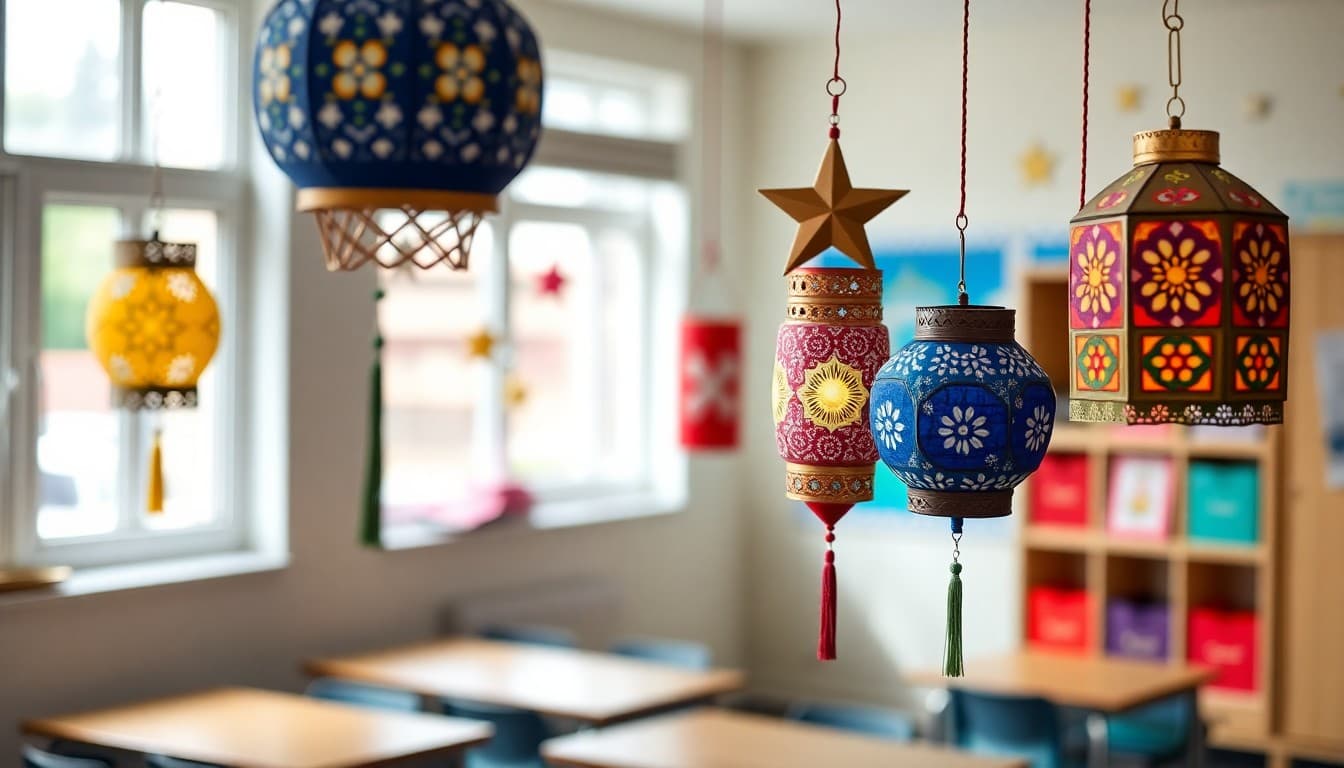
Teacher Newsletter for Ramadan in the Classroom: Build Respect and Awareness
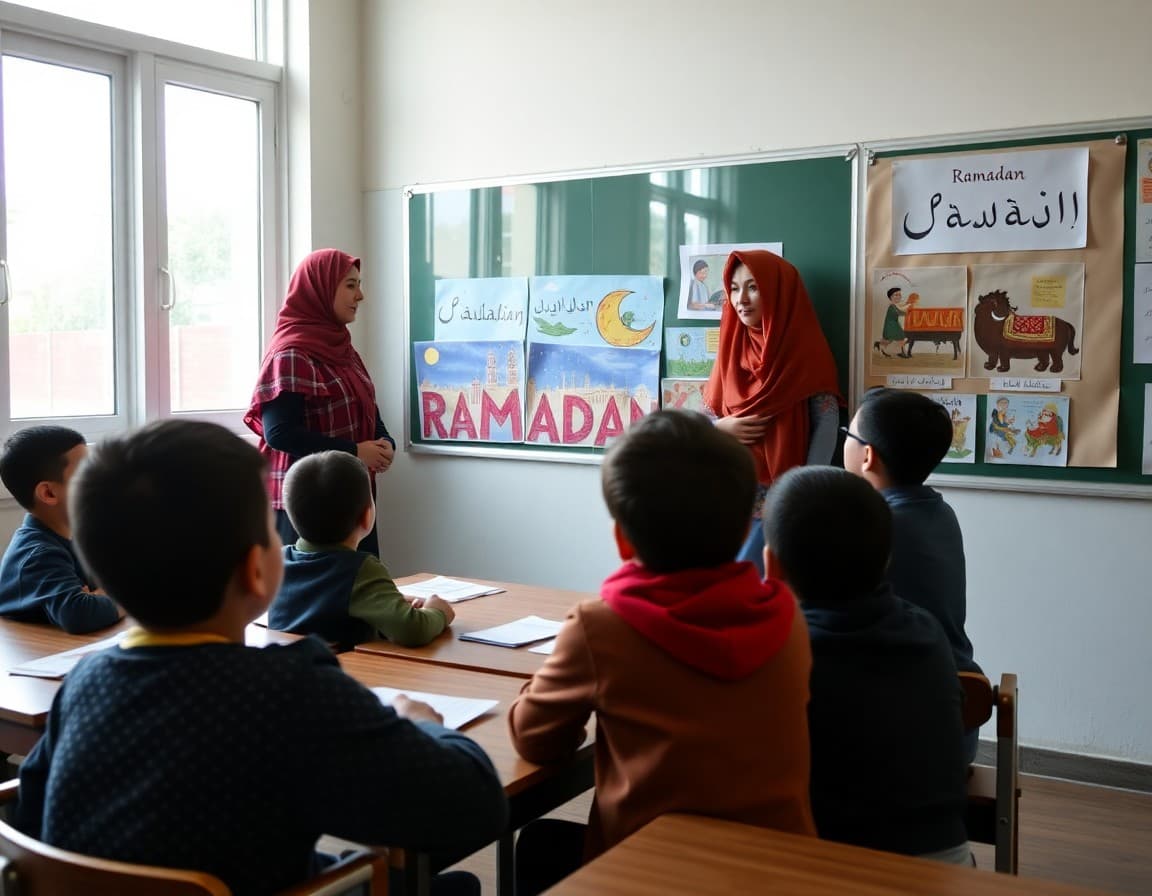
Ramadan is observed by more than a billion Muslims worldwide, and for students in your classroom who observe it, the holy month intersects directly with their school day. A newsletter that explains Ramadan thoughtfully, communicates how the classroom supports fasting students, and builds awareness in the broader class community serves everyone: Muslim families feel seen, non-Muslim families gain cultural knowledge their children will carry forward.
Explain What Ramadan Is
Ramadan is the ninth month of the Islamic lunar calendar, a sacred period of fasting, prayer, reflection, and community for Muslims around the world. During Ramadan, Muslims who observe fast from dawn to sunset, abstaining from food and drink as an act of spiritual discipline and gratitude. The month ends with Eid al-Fitr, a celebration shared with family and community. A few accurate sentences help non-Muslim families answer their child's questions honestly and respectfully.
Note That Observance Varies
Not every Muslim observes Ramadan in the same way. Children often participate partially, fasting for a portion of the day or practicing alongside family members. Some students in your class may be fully fasting; others may observe in other ways. This variation is worth noting so families and classmates do not make assumptions about whether any particular student is fasting.
Describe How the Classroom Supports Fasting Students
Fasting students are fully supported in this classroom. That support includes private check-ins to ask how they are doing, an alternative quiet activity during snack time for students who prefer it, and awareness that afternoon hours can be tiring during a fast. Students who are fasting are not asked to explain their practice to classmates unless they choose to. Families with fasting children are encouraged to share any specific needs.
Invite Muslim Families to Connect
If your child will be fasting or observing Ramadan in any way that you would like me to be aware of, please reach out by email or a note home. Knowing in advance helps the classroom support your child well throughout the month. This open invitation signals that you welcome the conversation rather than leaving families to wonder whether it is appropriate to bring it up.
Guide Non-Observing Classmates
Students who are curious about Ramadan can be encouraged to ask respectful questions and to be aware that classmates who are fasting are choosing not to eat during the school day. Classmates should not pressure fasting students to eat, ask repeatedly about their fast, or make comments about food around them. Framing curiosity as welcome and insistence as unkind gives students a clear behavioral model without making a big production of it.
Close with a Community Statement
Ramadan is a reminder that our classroom community includes students from many religious and cultural backgrounds. Using Daystage, you can close this newsletter with a genuine statement about what that diversity brings to your classroom and how the community's different practices and celebrations make everyone a more informed, compassionate person. That closing frames the newsletter as a celebration of community rather than a logistics memo.
Get one newsletter idea every week.
Free. For teachers. No spam.
Frequently asked questions
What should a Ramadan classroom newsletter cover?
Briefly explain what Ramadan is and why it is observed, describe how the classroom supports students who are fasting, invite families with fasting children to communicate their child's needs, and note how non-Muslim classmates can be respectful and curious without being intrusive.
How do I explain Ramadan accurately without oversimplifying?
Ramadan is the ninth month of the Islamic lunar calendar, observed by Muslims worldwide as a month of fasting, prayer, reflection, and community. Fasting from dawn to sunset is one of the Five Pillars of Islam. Not every Muslim observes in the same way, and children often begin fasting partially or practice alongside family members. Accurate, respectful language matters more than comprehensive detail.
Should I introduce Ramadan to the whole class?
A brief, respectful introduction can build cultural awareness for the whole class, provided Muslim families in the class are aware and supportive. Ask Muslim families whether they would like their child involved in any classroom learning about Ramadan and follow their lead. A newsletter to all families that explains the holiday can happen independently of classroom instruction.
What accommodations are appropriate for fasting students during Ramadan?
Discreet check-ins about how the student is feeling, alternative activities during snack time if desired, flexibility for water breaks for students whose fast permits it, and awareness of afternoon fatigue are the most helpful supports. Follow the family's guidance and the student's own comfort.
What tool helps teachers send newsletters efficiently?
Daystage makes culturally aware newsletters like this one straightforward to produce and deliver to every family, so the classroom community learns about Ramadan from an accurate, respectful source before the holiday begins.

Adi Ackerman
Author
Adi Ackerman is a former classroom teacher and curriculum writer with 8 years in K-8 schools. She writes about school communication, parent engagement, and what actually works in real classrooms.
More for Classroom Teachers
Teacher Newsletter for Fasting Awareness: Support Students Who Fast
Classroom Teachers · 5 min read
Teacher Newsletter for Religious Holidays: Communicate Absence Policies Respectfully
Classroom Teachers · 6 min read
Teacher Newsletter for Eid in the Classroom: Celebrate with Respect
Classroom Teachers · 6 min read
Ready to send your first newsletter?
3 newsletters free. No credit card. First one ready in under 5 minutes.
Get started free