How Teachers Use Newsletters to Communicate About Classroom Peer Conflict
Why Families Need Your Conflict Philosophy Before Conflict Happens
When a child comes home upset about a classmate, the parent's first reaction is often protective and immediate. They want action. If they have no context for how you handle peer conflict in your classroom, they may assume nothing was done or that you are not paying attention. A newsletter that explains your approach before any specific incident creates the trust that allows families to wait for your response rather than escalating immediately.
Normalize Peer Conflict as a Learning Context
Your newsletter can shift the frame on conflict before a parent ever needs to apply it. Peer conflict is not evidence of a failing classroom culture. It is a developmental reality that, when handled well, becomes one of the most important learning contexts children experience. Learning to disagree, repair, and re-engage with a peer is a skill that serves children better than any academic content.
State this directly in your newsletter. Families who understand this respond differently to their child's conflict stories.
Describe Your Conflict Resolution Process
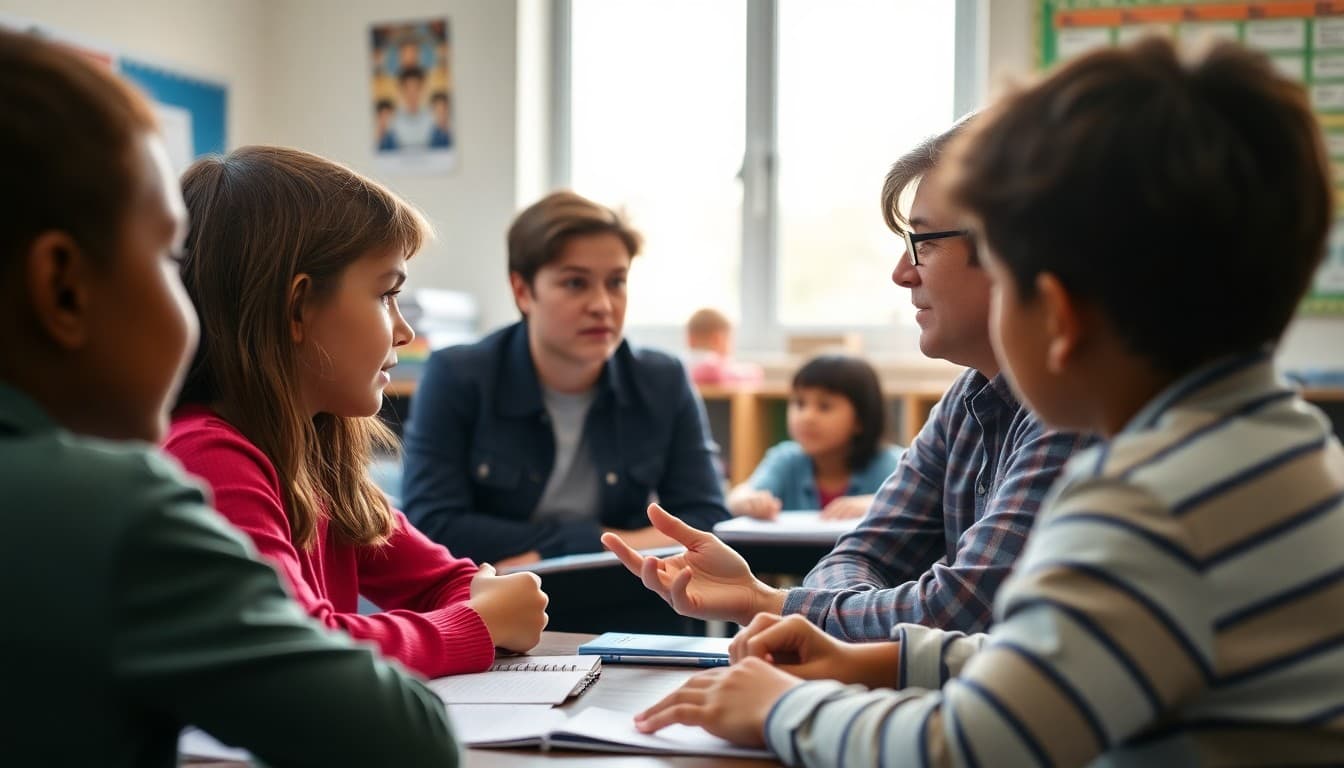
Walk families through your approach in concrete terms. When two students have a conflict, what happens? Do you use a specific language protocol? Do students fill out a reflection sheet? Do you facilitate a conversation? Do you involve a counselor for persistent issues? Families who know the process can explain it to their child: "Talk to the teacher. Here is what will happen."
Tell Families What Not to Do
This is often the most useful part of your newsletter section on conflict. Tell families clearly: do not contact the other child's family directly. Do not coach your child on what to say to the other student. Do contact the teacher if a pattern persists over more than a few days. This guidance prevents the situations where parent intervention makes a school conflict significantly worse.
Know When to Pick Up the Phone Instead of Sending a Newsletter
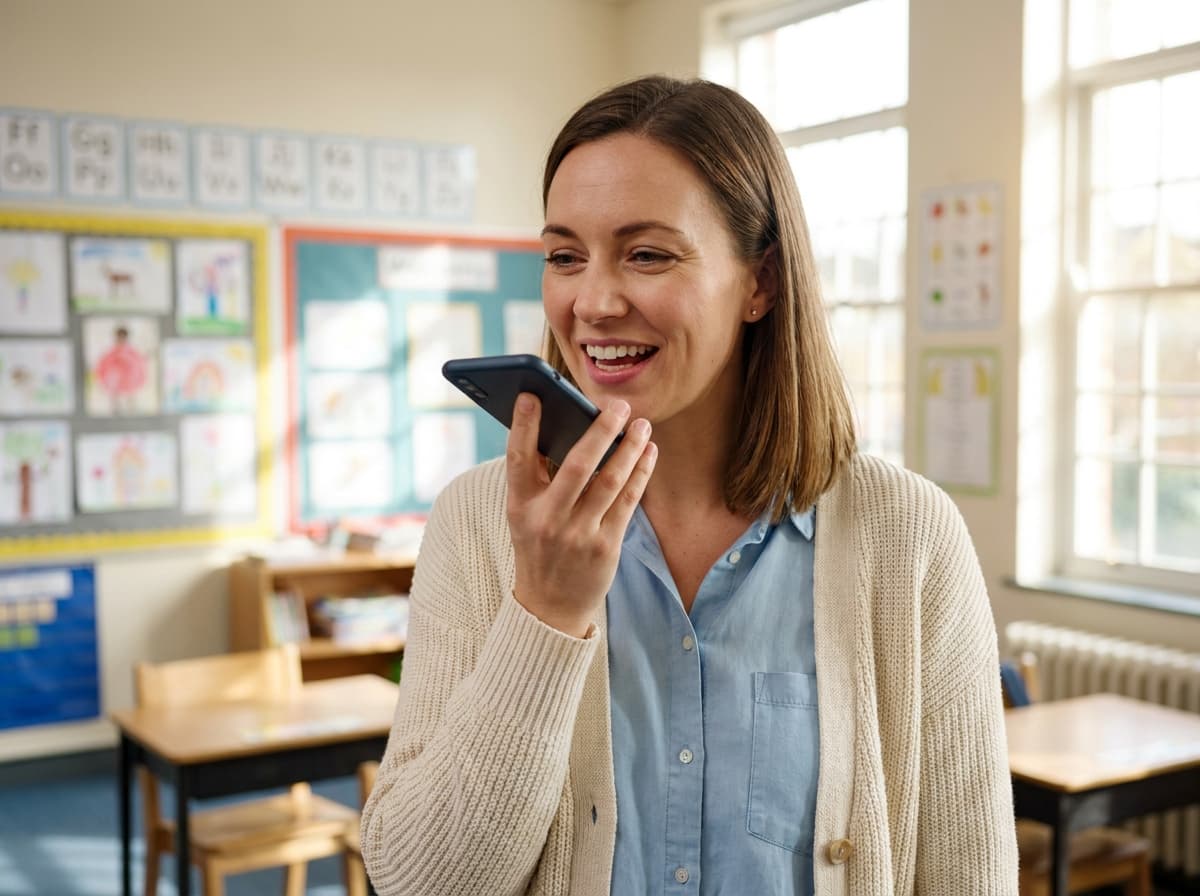
The newsletter sets your general philosophy and approach. It is not the channel for communicating about a specific conflict that has affected a family's child. When a situation is significant enough that a family needs to know, call them. The newsletter exists to build the background trust and understanding that makes that call go more productively when it is needed.
Share Class-Level Progress on Social Skills
Periodically mention in your newsletter how the class is developing conflict skills. "This month we practiced our problem-solving steps during two real disagreements. Both times, students were able to reach a resolution with minimal support from me." That update tells families the classroom is actively developing social competence, not just reacting to incidents.
Empower Families to Support at Home
After explaining your classroom approach, give families one or two things they can do at home. Teach your child to say "I feel..." instead of "you always..." when upset. Practice perspective-taking: "What do you think your friend was feeling?" These small home practices align with the classroom work and give students more tools before conflict happens again, because conflict will happen again.
Get one newsletter idea every week.
Free. For teachers. No spam.
Frequently asked questions
Should I tell families in my newsletter when a peer conflict occurs in class?
Not usually for individual incidents involving other students. Keep individual conflict details out of the group newsletter. Use it instead to explain your general approach, then communicate privately with affected families when a specific situation warrants it.
How do I explain peer conflict resolution to parents without alarming them?
Normalize it. 'Peer conflict is a normal part of childhood. In our classroom, students practice resolving disagreements with support, which builds skills they will use their whole lives.' Frame it as skill-building rather than a problem to eliminate.
What should a family do when their child comes home upset about a peer conflict?
Listen without immediately taking sides or escalating. Ask what happened and how their child handled it. Then, if the concern persists, contact the teacher rather than the other family. The teacher is the appropriate first contact for school-based conflicts.
When should a teacher involve families in a peer conflict?
When the conflict is persistent, when it involves ongoing exclusion or intimidation, or when you have observed that a student's wellbeing is genuinely affected. A single disagreement usually resolves with in-class support. Patterns require family involvement.
How does Daystage help teachers communicate classroom social dynamics to families?
Daystage lets you include a consistent SEL section in your newsletter where you explain your conflict resolution approach, share class-level observations, and keep families informed without needing to craft a separate message each time something comes up.

Adi Ackerman
Author
Adi Ackerman is a former classroom teacher and curriculum writer with 8 years in K-8 schools. She writes about school communication, parent engagement, and what actually works in real classrooms.
More for Classroom Teachers
Explaining Restorative Practices to Families in Your Teacher Newsletter
Classroom Teachers · 6 min read
Communicating Collaborative Problem Solving to Families via Teacher Newsletter
Classroom Teachers · 6 min read
Sharing Your Classroom Kindness Board With Families via Teacher Newsletter
Classroom Teachers · 6 min read
Ready to send your first newsletter?
3 newsletters free. No credit card. First one ready in under 5 minutes.
Get started free