

How to Explain Your Makeup Work Policy in Your Teacher Newsletter
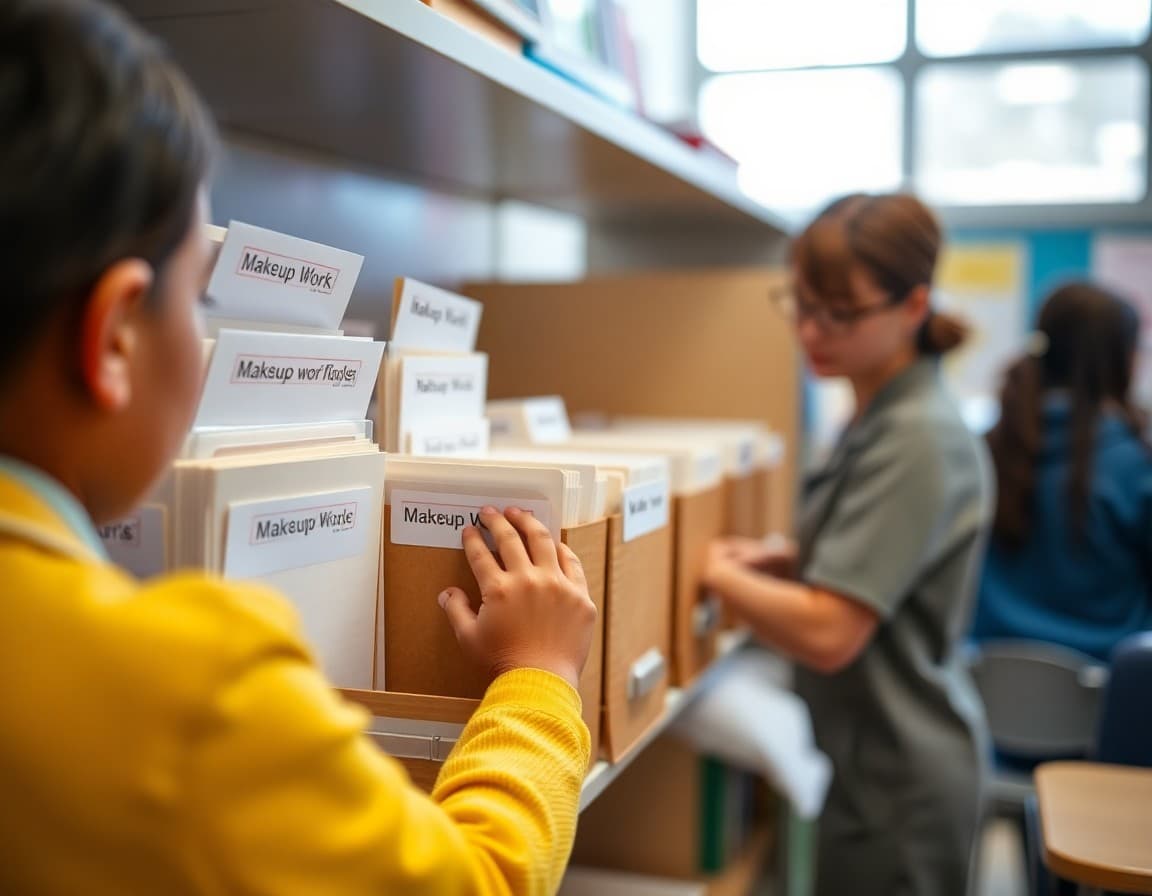
Makeup work situations are easier to manage when the policy is established before anyone needs it. Families who receive a clear makeup work explanation at the start of the year know what to expect, what to ask for, and how to support their student through the process. Families who discover the policy for the first time when their student is already behind are more likely to be frustrated by it.
Lead with the reason the makeup window exists
Policies that have a rationale are more respected than policies that simply exist. "The makeup window gives students time to recover from illness or address the situation that caused the absence before they take on the responsibility of catching up. Immediately assigning makeup work to a sick student does not serve anyone well. The window is designed to make the process manageable for the student and fair to the class." Families who understand the purpose of the window support it rather than resisting it.
State the standard makeup window clearly
Be specific about the timeframe. "Students who miss school due to illness or an excused absence have one day to complete makeup work for each day they were absent. A student who misses three days has three days after returning to submit the makeup assignments. Work not submitted by the deadline follows the late work policy." Clarity about the window prevents families from arguing about deadlines after the fact.
Explain how students receive their makeup assignments
The most common question after an absence is what work was missed. Give families a clear process. "Makeup work is available in the blue folder on the back table, organized by date. Students who were absent should check that folder when they return. For extended absences, email me and I can send home materials in advance or post them to the class website." A clear pickup process prevents the need for individual conversations for every absence.
Address what happens with tests and in-class activities
Some work cannot be made up in the same format it was originally delivered. Tests and in-class labs require separate scheduling. "If a student misses a test, they take it within three days of returning, typically during a scheduled makeup session. In-class labs are either made up in a designated time or replaced with an equivalent written assignment. I will communicate with you about the specific plan when the situation arises."
Distinguish between planned and unplanned absences
Planned absences can often be accommodated with advance work. "If I know a student will be absent, I can prepare materials to take on the trip. This is not required, but families who want to minimize the makeup burden after returning find it helpful. Contact me at least a week before the planned absence for advance work." That option reduces the post-return workload and is appreciated by families who plan ahead.
Note what the makeup policy means for grades
Families need to understand the grading implications of incomplete makeup work. "Makeup work completed within the window receives full credit. Work submitted after the window follows the late work policy and may receive partial credit. Work not submitted at all becomes a zero. I will notify you before a zero is entered if the amount is significant." That transparency reduces grade surprises and gives families the opportunity to intervene before a grade becomes a problem.
Daystage makes it easy to include a makeup work policy in your classroom procedures newsletter at the start of the year. Families who have the policy in writing can reference it without asking you the same question multiple times.
Get one newsletter idea every week.
Free. For teachers. No spam.
Frequently asked questions
What should a makeup work policy newsletter include?
How many days the student has to complete makeup work, how they receive the missed assignments, what work can be made up and what cannot, how to handle missed tests or quizzes, and what the family should do to initiate the process. The clearer the procedure, the fewer follow-up questions you receive.
How many days should students have to complete makeup work?
Most school policies allow one day of makeup time for every day absent, sometimes with a cap. Check your school or district policy and communicate that standard in your newsletter. If you have a different classroom approach than the district policy, explain the difference and your reasoning.
How do I handle makeup work for planned absences versus unexpected ones?
Treat them differently in your newsletter because they require different coordination. For planned absences, you can provide work in advance and expect students to complete it during the absence. For unexpected absences like illness, the student should have the standard makeup window after returning.
What happens if makeup work is not submitted within the window?
State this clearly in your policy newsletter. 'Makeup work not submitted within the makeup window becomes a zero or an incomplete based on district grading policy.' Families who know the consequence are more likely to support their student in completing the work within the deadline.
Can Daystage help teachers share makeup work policies in newsletters?
Yes. A Daystage newsletter with a clear classroom procedures section makes the makeup work policy accessible to families throughout the year in a searchable digital format.

Adi Ackerman
Author
Adi Ackerman is a former classroom teacher and curriculum writer with 8 years in K-8 schools. She writes about school communication, parent engagement, and what actually works in real classrooms.
More for Classroom Teachers
Ready to send your first newsletter?
3 newsletters free. No credit card. First one ready in under 5 minutes.
Get started free